
When Placing the Black Jumper Cable on the Dead Car: Essential Safety Tips
Have you ever faced the frustration of a dead car battery when you needed to get somewhere fast? Knowing exactly when to place the black jumper cable can save you time, avoid damage, and get your vehicle running safely again.
If you’re unsure about the right moment to connect that black cable, you’re not alone. This simple step is crucial, and doing it wrong can cause sparks, damage your car, or even harm you. Keep reading to learn the exact moment and method to place the black jumper cable on a dead car, so you can jump-start your vehicle confidently and safely every time.
Preparing For Jump Starting
Preparing for jump starting a dead car is a key step. It helps avoid damage and keeps you safe. Taking time to get ready makes the process smooth and quick. Knowing what to do before placing the black jumper cable can save frustration.
Gathering Necessary Equipment
Start by finding the right tools. You need jumper cables that are in good condition. Check if the cables are long enough to reach both batteries. Find another car with a fully charged battery. Wear gloves and safety glasses if possible. Keep a flashlight nearby in case it is dark.
Checking Battery And Vehicle Condition
Look at the dead car’s battery. Check for cracks, leaks, or corrosion on terminals. If the battery is damaged, do not jump start the car. Inspect both cars to ensure they are not touching each other. Turn off all electrical accessories like lights and radio. Make sure both vehicles are in park or neutral and the parking brakes are on.

Credit: www.paddelfestival.de
Identifying The Right Cable Connections
Knowing how to connect jumper cables safely is key to jump-starting a dead car. Wrong connections can cause sparks or damage the battery. Focus on finding the right spots on the battery and using the correct cable. This helps the process go smoothly and safely.
Careful identification of the battery terminals and the cables ensures a good connection. This part of the process takes only a few minutes but makes a big difference. Learn what to look for before placing the black jumper cable on the dead car.
Locating The Dead Battery Terminals
Open the hood and find the battery. Look for two metal posts sticking out. These are the terminals where cables connect. One terminal is positive (+) and the other is negative (-). The positive terminal often has a red cover or marking. The negative terminal is usually black or unmarked.
Clean off any dirt or corrosion on the terminals. This ensures a good connection. Use a cloth or brush if needed. Be careful not to touch both terminals with a metal object at the same time.
Recognizing The Black Jumper Cable
The black jumper cable is the negative cable. It helps complete the circuit when jump-starting. This cable is thicker and usually has black insulation. It ends with a clamp that grips the battery terminal firmly.
Check that the black cable is not damaged or frayed. A strong and clean cable makes the jump safer. Always connect the black cable last to avoid sparks. This cable connects to the dead car’s negative terminal or a grounded metal part.
Safe Placement Of The Black Jumper Cable
Placing the black jumper cable correctly is vital for safety. Incorrect placement can cause sparks or damage. Understanding the right spot for the black cable helps avoid problems. The black cable is the ground connection. It completes the circuit and protects both cars.
Choosing The Correct Grounding Point
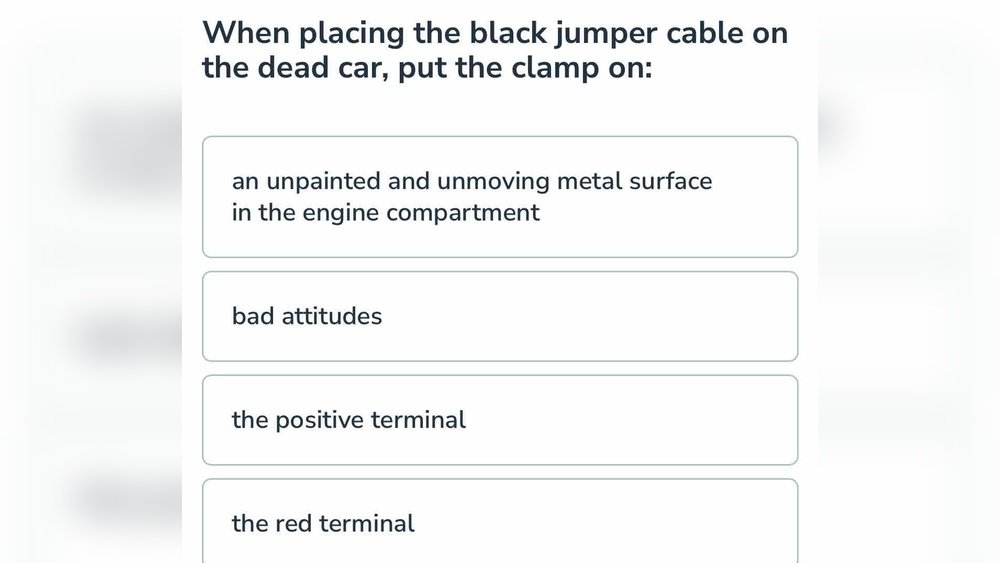
Attach the black cable to a clean, unpainted metal surface on the dead car. Look for the engine block or a metal part away from the battery. Avoid battery terminals or painted areas. These spots can cause sparks or stop the car from starting. The metal surface must be solid and free of rust or dirt. This ensures a good connection and safe jump start.
Avoiding Sparks And Short Circuits
Connect the black cable last to reduce spark risk. Sparks can happen if the connection touches the battery or fuel parts. Keep the cable away from moving engine parts. Do not let the clamps touch each other. Sparks can cause battery gases to ignite, causing injury or damage. Always double-check the clamps before starting the car.
Common Mistakes To Avoid
Placing the black jumper cable on a dead car needs care. Mistakes can cause damage or injury. Knowing what to avoid helps keep the process safe and quick. This section points out common errors to watch for.
Reversing Cable Polarity
Connecting cables in reverse is dangerous. The black cable should attach to the dead car’s negative terminal or a grounded metal part. Mixing positive and negative cables can cause sparks or damage the battery. Always double-check before clamping the cables.
Ignoring Vehicle Manufacturer Guidelines
Each car brand may have unique jump-start rules. Some need the black cable on a specific ground point, not the battery terminal. Ignoring these instructions risks electrical issues or voids warranties. Read the owner’s manual to find the correct steps for your vehicle.
Post-jump Safety Checks
After successfully connecting the black jumper cable to the dead car, safety checks come next. These checks protect you and the vehicles. They also help avoid damage to the electrical systems. Always stay calm and follow the right steps. These steps keep the jump start safe and effective.
Removing Cables In The Right Order
Remove the cables in the reverse order of connection. Start by taking off the black cable from the dead car. Then, remove the black cable from the live car’s battery. Next, remove the red cable from the live car. Finish by removing the red cable from the dead car. This order stops sparks and short circuits.
Ensuring Engine Stability
Let the dead car’s engine run for a few minutes. This helps the battery recharge. Watch the engine for any odd sounds or shaking. If the engine runs smoothly, it is stable. If not, turn off the engine and check connections. Engine stability means the car is ready to drive safely.

Credit: nassaunationalcable.com

Credit: www.orlandosentinel.com
Frequently Asked Questions
Where Should The Black Jumper Cable Connect On A Dead Car?
Connect the black jumper cable to the dead car’s metal frame or engine block. Avoid the battery’s negative terminal to prevent sparks. This grounding helps safely complete the circuit.
Can I Place The Black Jumper Cable On The Dead Battery’s Negative Terminal?
It’s best to avoid the dead battery’s negative terminal. Sparks may occur and cause danger. Use a solid metal part on the engine or frame instead.
Why Is The Black Jumper Cable Placement Important On A Dead Car?
Proper black cable placement reduces spark risk and protects the battery. It ensures a safe and effective jump start. Incorrect placement can cause damage or injury.
What Safety Tips Apply When Placing The Black Jumper Cable On A Dead Car?
Always wear gloves and eye protection. Connect cables in the correct order: positive first, then negative. Double-check connections before starting the working car.
Conclusion
Placing the black jumper cable correctly is very important. It helps avoid sparks and damage. Always attach it to a clean, unpainted metal part on the dead car. This ensures a safe and effective jump start. Taking your time and following these steps can save your battery.
Stay calm, be careful, and your car will likely start again. Remember, safety first when working with jumper cables.