What Happens If You Hook Up Jumper Cables Backwards: Shocking Risks Revealed
Have you ever wondered what happens if you hook up jumper cables backwards? It’s a simple mistake that can lead to big problems for your car and your wallet.
If you’re not sure what to do or what to expect, this article is for you. By the end, you’ll know exactly why it’s important to connect those cables the right way and what steps to take if you slip up.
Keep reading—your car’s health might depend on it.
Common Mistakes With Jumper Cables
Using jumper cables can be tricky if not done right. Many drivers make simple mistakes that harm their cars or cause accidents. Knowing these errors helps avoid damage and keeps the process safe.
Wrong connections are the biggest problem. People often confuse the positive and negative clamps. This error can cause sparks or damage to the battery and electrical system.
Another mistake is attaching the cables in the wrong order. Connecting clamps in the wrong sequence risks short circuits and sparks. It is important to follow the correct steps carefully.
People sometimes forget to turn off the engines before connecting cables. This can cause shocks or electrical damage. Always keep both cars off until cables are attached properly.
Connecting Positive To Negative
Hooking up the red cable to the negative terminal is a common error. This mistake can create sparks and damage the battery. It also may harm the car’s electrical parts.
Skipping The Ground Connection
The black cable must be connected to a metal ground, not the battery’s negative terminal. Skipping this step increases the risk of sparks and explosions. Grounding the cable ensures safety.
Attaching Cables In The Wrong Order
Connecting the cables in the wrong order causes electrical surges. This can damage both car batteries and wiring. Always start with the positive cable on the dead battery.
Leaving Engines Running During Connection
Engines should be off before attaching cables. Leaving them running can cause voltage spikes. These spikes may harm the battery or electronic components.
Immediate Effects Of Reversed Connections
Connecting jumper cables backwards can cause sparks, damage the car’s battery, or blow fuses. Electronics may stop working instantly, and the vehicle might fail to start. Immediate attention is needed to avoid costly repairs or safety hazards.
Connecting jumper cables backward causes instant electrical problems. The car’s electrical system faces a sudden shock. The battery and other parts may fail to work properly. This mistake can damage sensitive electronics in the vehicle.
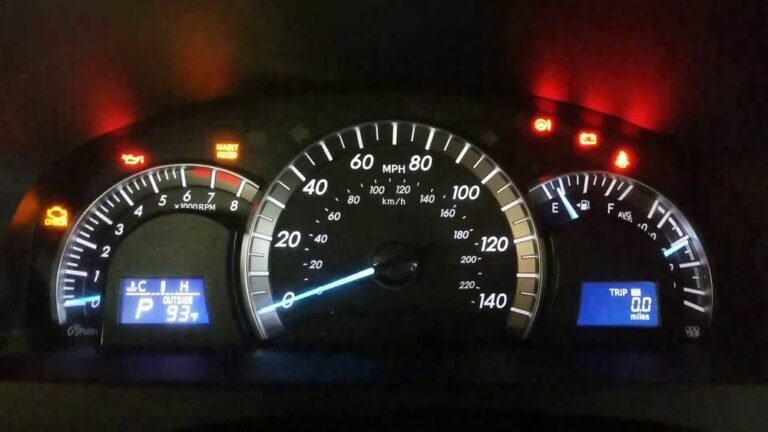
The car may not start after reversed connections. The dashboard warning lights might flash or stay on. Strange noises or sparks can come from the battery area. These signs show something is wrong with the power flow.
Damage To The Battery
The battery can suffer serious harm from backward cables. It may overheat or leak acid. Internal parts might break due to the wrong current. This damage reduces the battery’s life or stops it completely.
Effect On The Electrical System
The electrical system is vulnerable to reversed jumper cables. Fuses can blow, cutting power to key parts. Wiring insulation might melt or burn. This creates shorts that disrupt the vehicle’s functions.
Risk To Sensitive Electronics
Modern cars have many delicate electronic components. Reversed connections send wrong voltage to these parts. The computer system, sensors, and control modules can fail. Repairing or replacing them can be expensive.
Immediate Safety Concerns
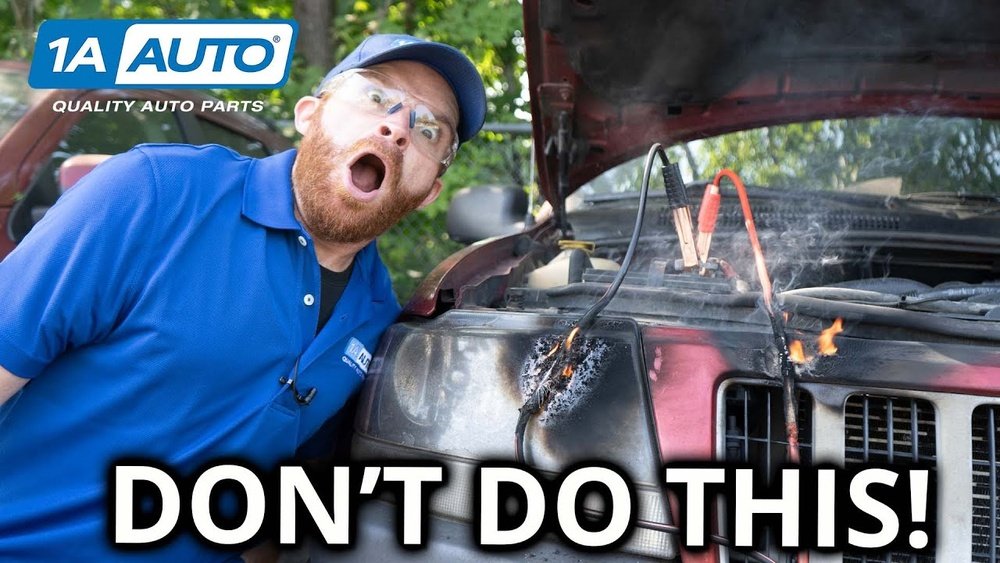
Sparks and smoke may appear right away. There is a risk of fire near the battery. Handling cables incorrectly can cause electric shocks. Safety precautions are crucial during jump-starting.
Damage To Vehicle Components
Connecting jumper cables backward can cause serious damage to your vehicle. Electrical parts inside your car are sensitive to wrong connections. This mistake can harm several key components quickly.
Understanding the types of damage helps you avoid costly repairs. The effects may not always be visible at first. Some issues show only after the problem worsens.
Damage To The Battery
The battery can suffer from reverse polarity. It may overheat or leak acid. This reduces battery life or causes it to fail completely.
Harm To The Alternator
The alternator controls power flow in the car. Backward cables can cause it to short circuit. This leads to a breakdown of the charging system.
Electrical System Failures
Modern cars use many electronic parts. Incorrect connections can blow fuses or damage sensors. This affects lights, dashboard functions, and engine controls.
Damage To The Engine Control Unit (ecu)
The ECU is the vehicle’s computer brain. It manages fuel, ignition, and emissions. Reversed cables can fry this vital component, causing poor engine performance.
Risk Of Wiring Damage
Wires carry electric current to many parts. Hooking cables wrong can cause wires to overheat. This may melt insulation and create shorts.
Credit: d2cecommerce.in
Safety Hazards To Watch For
Connecting jumper cables backwards creates serious safety risks. It can damage your car and harm you. Knowing what dangers to watch for helps you stay safe. Always handle jumper cables with care and attention.
Risk of Battery ExplosionReversing jumper cables can cause the battery to overheat. This may produce hydrogen gas inside the battery. A spark can ignite the gas and cause an explosion. Battery acid can spray and cause burns or eye injuries.
Damage to Electrical ComponentsWrong cable connections can send power the wrong way. This can fry the car’s electrical system. Modern cars with sensitive electronics are especially at risk. Repairs can be very costly and time-consuming.
Fire HazardIncorrect hookup causes sparks that can start a fire. The cables and battery terminals can get extremely hot. A fire may start under the hood or near flammable parts. Always prepare a fire extinguisher nearby when jump-starting.
Personal Injury RisksSparks and battery acid can cause serious injuries. Skin burns and eye damage are common hazards. Electric shock is also possible with careless handling. Wear gloves and goggles to protect yourself during the process.
How To Correctly Use Jumper Cables
Using jumper cables correctly is very important for your safety and your car’s health. Connecting the cables the wrong way can cause serious damage. Follow the steps carefully to jump-start a car without risks.
Preparing Both Vehicles
Park the cars close but not touching. Turn off both engines and all electrical devices. Make sure both cars are in park or neutral with the parking brake on. Open the hoods and find the batteries.
Connecting The Jumper Cables
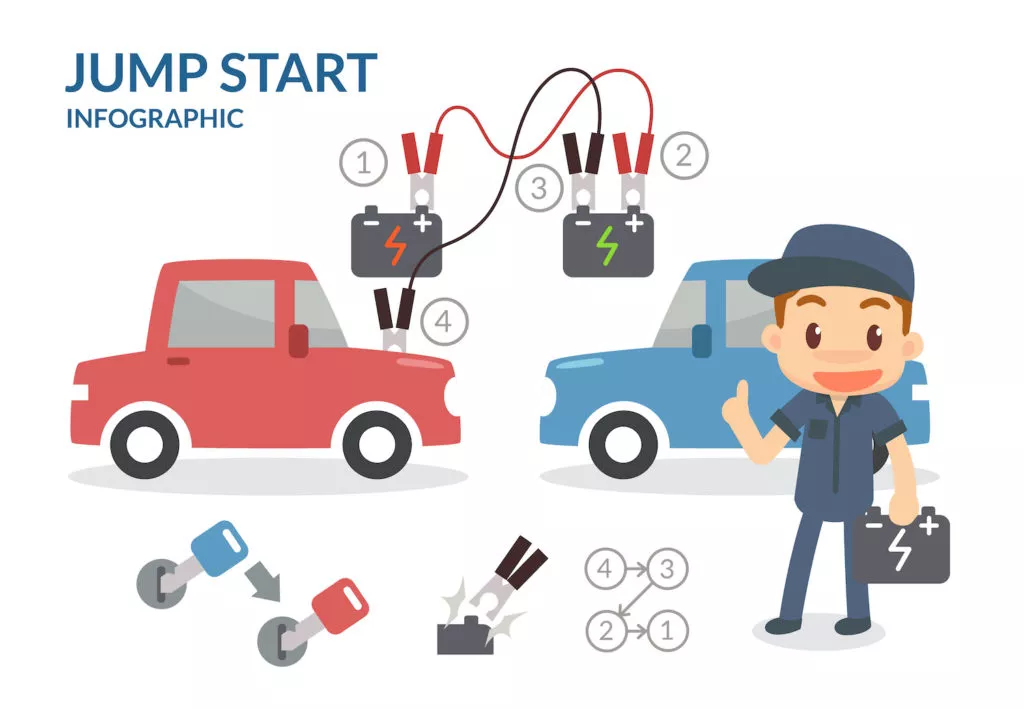
Attach one red clamp to the positive (+) terminal of the dead battery. Attach the other red clamp to the positive (+) terminal of the good battery. Attach one black clamp to the negative (-) terminal of the good battery.
Attach the last black clamp to an unpainted metal surface on the dead car. Do not connect it to the dead battery’s negative terminal. This step helps prevent sparks.
Starting The Cars
Start the engine of the good car first. Let it run for a few minutes. Then, try to start the dead car. If it starts, keep both engines running for a few minutes.
Removing The Jumper Cables
Remove the cables in reverse order. Start by taking off the black clamp from the metal surface on the dead car. Then, remove the black clamp from the good battery. Next, remove the red clamp from the good battery. Finally, remove the red clamp from the dead battery.

Credit: www.youtube.com

Credit: www.carparts.com
Frequently Asked Questions
What Happens If Jumper Cables Are Connected Backwards?
Connecting jumper cables backwards can cause sparks and damage to the car’s electrical system. It may also blow fuses or damage the battery. Always double-check connections before starting.
Can Hooking Jumper Cables Backwards Damage My Car Battery?
Yes, reversing jumper cables can harm the battery by causing internal damage or short circuits. This may reduce battery life or stop it from working. Careful connection is key.
Will My Car Start After Hooking Up Jumper Cables Incorrectly?
Your car might not start if cables are reversed due to electrical damage. It could trigger safety mechanisms or cause the starter to fail. Correct cable placement is essential.
How To Fix A Car After Connecting Jumper Cables Wrong?
Turn off both cars immediately if cables are reversed. Check fuses and battery for damage, then reconnect cables properly. Seek professional help if the car still won’t start.
Conclusion
Hooking up jumper cables backwards can cause serious damage to your car. It may blow fuses, damage the battery, or harm electrical parts. Always double-check the cable connections before starting. Taking a moment to connect cables correctly can save time and money.
If unsure, ask for help or consult your car manual. Safe and careful steps prevent costly repairs and frustration. Remember, a little caution goes a long way when jump-starting a vehicle.