Does Parking on an Incline Damage Your Transmission? Truth Revealed
Have you ever parked your car on a hill and wondered if it could harm your transmission? You’re not alone.
Many drivers worry about whether parking on an incline puts extra strain on their vehicle’s transmission system. Understanding this can save you money and keep your car running smoothly for years. You’ll discover the truth about parking on slopes and learn simple tips to protect your transmission every time you park.
Keep reading—you’ll want to know these important facts before your next uphill or downhill stop.
Credit: www.topgear.com.ph
How Parking On An Incline Affects Your Car
Parking on a slope can affect your car in several ways. The angle changes how weight presses on the vehicle’s parts. This pressure may impact the transmission and other components over time.
Understanding these effects helps you protect your car. It also guides you to park safely on hills or sloped driveways.
Increased Stress On Transmission
Parking on an incline puts extra pressure on the transmission. The transmission must hold the car from rolling. This strain increases especially if the parking brake is weak or not used.
Automatic transmissions can feel this stress more than manual ones. The parking pawl, a small part inside the transmission, locks the gears. On a slope, the pawl takes more force, which may cause wear.
Impact On Parking Brake
The parking brake helps keep the car still on hills. When parked on an incline, it holds more weight. A weak or old parking brake may slip or fail.
Regular use of the parking brake reduces transmission wear. It also keeps the car more secure, preventing it from rolling downhill.
Effect On Tires And Suspension
Tires and suspension also face added pressure on slopes. Weight shifts more to the downhill tires. This can cause uneven tire wear over time.
The suspension absorbs the car’s tilt, which may stress parts like shocks and springs. Parking on steep inclines often can speed up wear on these components.

Credit: fueledutv.com
Transmission Types And Their Vulnerability
Different transmission types react differently to parking on an incline. Manual transmissions rely on the parking brake to hold the car. Automatic transmissions may face strain if not parked properly, but damage is rare with correct use.
Automatic Transmissions And Parking On An Incline
Automatic transmissions use a complex system of gears and fluid to shift. Parking on a steep incline puts extra pressure on the transmission’s parking pawl. This small metal piece holds the vehicle still by locking the transmission. On a steep hill, the pawl bears more force than usual. Over time, this stress can cause damage or wear. It is safer to use the parking brake along with putting the car in park. This reduces strain on the transmission and prevents costly repairs.
Manual Transmissions And Hill Parking
Manual transmissions work differently, with the driver controlling the gears. When parking on an incline, drivers usually leave the car in first gear or reverse. This helps prevent the car from rolling. Manual transmissions do not have a parking pawl like automatics. This means less risk of transmission damage from parking on hills. The main concern is the clutch and gear wear from improper use. Using the parking brake is still important to keep the car secure.
Cvt (continuously Variable Transmission) And Incline Parking
CVT systems use a belt and pulleys instead of fixed gears. These transmissions provide smooth and efficient power delivery. Parking on an incline can stress the locking mechanism in the CVT. Like automatics, CVTs rely on a parking pawl to hold the car in place. Extra pressure from hills can cause premature wear on this part. Using the parking brake reduces the load on the CVT’s locking system. It helps maintain the transmission’s longevity and performance.
Common Myths About Incline Parking
Many drivers worry about parking on hills. Some believe it harms their car’s transmission. These worries come from common myths. These myths spread without clear facts. Understanding the truth helps you park safely and confidently.
Let’s look at some popular myths. We will explain what is true and what is not. This helps protect your car and avoid unnecessary stress.
Myth 1: Parking On An Incline Always Damages The Transmission
Many think the transmission must work harder on slopes. Actually, the transmission is not under stress when the car is parked. The parking pawl inside the transmission locks the gears. This prevents the car from rolling. The transmission is safe if the car is in park and the parking brake is used.
Myth 2: Using Only The Parking Brake Is Unsafe On A Hill
Some drivers avoid using the parking brake. They fear it might break or cause damage. The parking brake is designed to hold the car steady on hills. It reduces strain on the transmission. Always use the parking brake along with putting the car in park.
Myth 3: Turning The Wheels Away From The Curb Damages The Car
There is a belief that wheel direction harms the car on hills. Turning the wheels helps prevent the car from rolling into traffic. This practice does not harm the transmission or tires. It is a safety step recommended by experts.
Best Practices For Parking On Hills
Parking on hills requires care to protect your car’s transmission and brakes. Following the right steps helps keep your vehicle safe and prevents costly repairs.
Simple habits can make a big difference in how your car handles slopes. Learn the best ways to park on an incline to avoid unnecessary stress on your vehicle.
Use The Parking Brake Every Time
Always apply the parking brake before leaving your car. This stops the car from rolling and takes pressure off the transmission. Relying only on the transmission can cause damage over time.
Turn The Wheels Toward The Curb
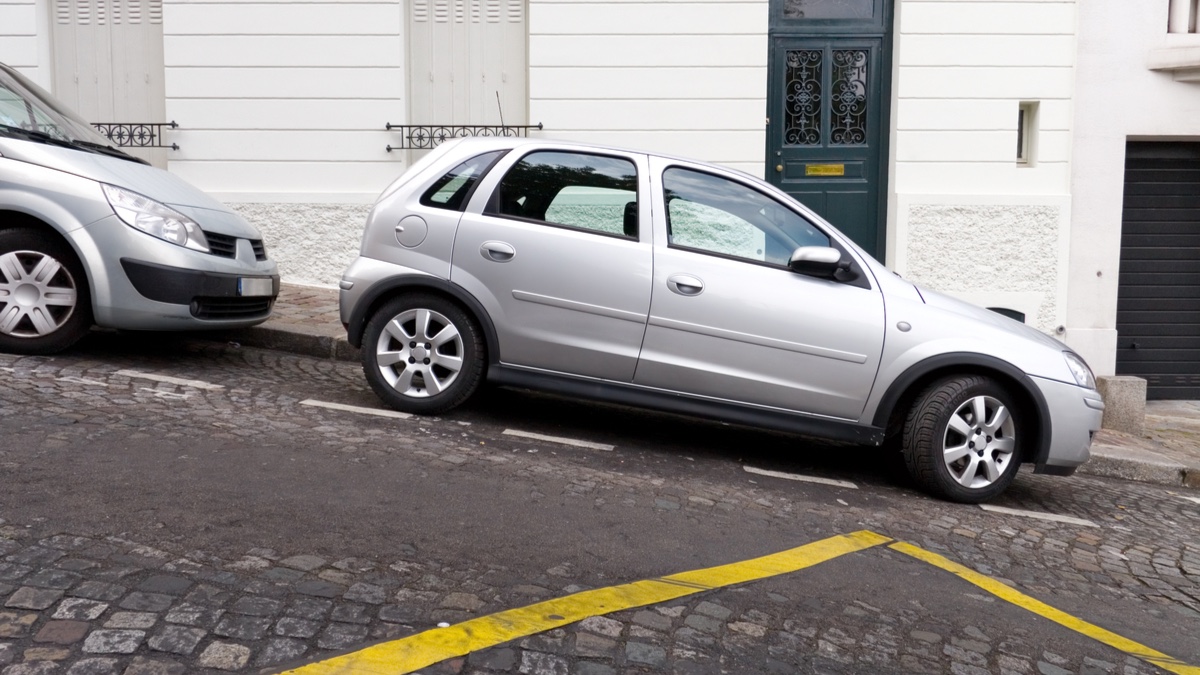
Point your wheels in the right direction. When facing uphill, turn wheels away from the curb. When facing downhill, turn wheels toward the curb. This helps prevent the car from rolling into traffic.
Shift Into The Correct Gear
Use “Park” in automatic cars and first gear or reverse in manuals. This locks the transmission and adds extra security. Avoid leaving the car in neutral on hills.
Check For Stability Before Leaving
Make sure your car does not move after parking. Gently release the brake pedal to test stability. A stable car means less strain on the transmission and brake system.
Signs Of Transmission Damage From Parking Habits
Parking on an incline can put extra stress on your car’s transmission. Over time, this stress might cause damage. Recognizing the signs early helps prevent costly repairs. Pay attention to how your car behaves after parking on a slope.
Unusual Grinding Noises When Shifting Gears
Grinding sounds are a clear warning sign. This noise often appears when changing gears. It means the transmission parts struggle to engage properly. Such sounds usually indicate worn or damaged components inside the transmission.
Difficulty Shifting Between Gears
Hard or delayed gear changes suggest transmission trouble. Your car may hesitate or feel jerky when shifting. Parking on a steep incline might cause extra strain on the transmission’s internal mechanisms, leading to this issue.
Transmission Fluid Leaks
Leaks under your car can signal transmission damage. Fluid loss reduces lubrication and causes overheating. Incline parking may increase pressure on seals, causing them to wear out faster. Check the ground regularly for red or brown stains.
Unusual Transmission Slipping
The car may unexpectedly slip out of gear. This slipping can feel like a sudden loss of power. It happens when transmission parts fail to lock properly. Incline parking puts extra load on these parts, increasing wear and tear.
Warning Lights On The Dashboard
Transmission issues often trigger dashboard warning lights. The check engine or transmission light may turn on. Do not ignore these signals. They mean the car’s computer detected a problem related to the transmission system.

Credit: www.drivesafeonline.org
Frequently Asked Questions
Does Parking On A Hill Harm Your Car’s Transmission?
Parking on a hill puts extra stress on the parking pawl in automatic cars. This can wear it out faster over time. Using the parking brake helps reduce this stress and protects your transmission.
How Does Using The Parking Brake Protect Your Transmission?
The parking brake holds the car in place on an incline. It stops the whole car from rolling. This means the transmission’s parking mechanism does not have to work as hard.
Can Parking Downhill Damage The Transmission Differently Than Uphill?
Both uphill and downhill parking stress the transmission pawl in similar ways. The difference is the direction of force on the transmission. Using the parking brake is important for both to avoid damage.
Should I Leave My Car In Gear When Parking On A Slope?
Yes, leaving the car in gear adds extra safety. For manual cars, this helps stop the car from rolling. It supports the parking brake and protects the transmission from strain.
Conclusion
Parking on a hill does not usually harm your transmission. Always use the parking brake to keep your car safe. Turn your wheels toward the curb to stop rolling. Avoid relying only on the transmission to hold the car. These small steps protect your vehicle and save money.
Taking care of your car helps it last longer. Drive and park with confidence on any incline. Simple habits keep your transmission working well. Stay safe and enjoy your ride every day.