
Is the Catalytic Converter Part of the Transmission? Clear Facts!
Have you ever wondered if the catalytic converter is part of your car’s transmission? It’s a common question that can confuse many drivers.
Understanding how your vehicle works can save you time, money, and stress. You’ll discover the true role of the catalytic converter and how it fits into your car’s system. By the end, you’ll know exactly where it belongs—and why it matters for your car’s performance.
Keep reading to clear up the mystery and take better care of your vehicle.
Role Of The Catalytic Converter
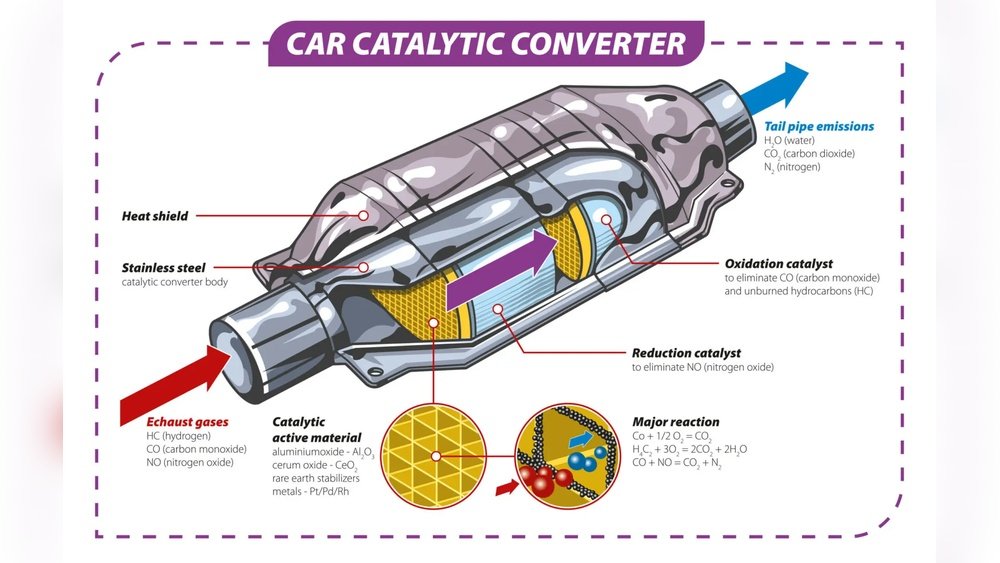
The catalytic converter cleans harmful gases from a car’s exhaust before they leave the vehicle. It is part of the exhaust system, not the transmission. Its main job is to reduce pollution and help the environment.
The catalytic converter cleans harmful gases from a car’s engine. It changes these gases into less harmful ones before they leave the exhaust.
This part helps reduce pollution and keeps the air cleaner. It plays a key role in meeting environmental rules for cars.
The converter works by using special metals inside to trigger chemical reactions. These reactions turn dangerous gases like carbon monoxide into safer gases such as carbon dioxide.
How The Catalytic Converter Works
Inside the converter, a ceramic or metal honeycomb holds catalysts. These catalysts speed up chemical changes without being used up.
As exhaust passes through, harmful gases react with the catalysts. This process turns the gases into less toxic forms.
The catalytic converter does not store gases. It only changes them quickly to reduce pollution.
Why The Catalytic Converter Is Important
Cars produce many harmful gases that can hurt health and the environment. The catalytic converter helps lower these dangerous emissions.
It helps cars meet strict air quality standards. Without it, pollution would rise and air quality would worsen.
The converter also helps engines run cleaner and prevents fines for excess emissions.
Credit: talonsgarage.com
Basics Of The Transmission System
The transmission system is a key part of any vehicle. It helps move power from the engine to the wheels. This allows the car to move at different speeds and handle various road conditions.
The transmission changes the gear ratio between the engine and the wheels. This makes driving easier and more efficient. Without the transmission, the engine would run too fast or too slow for driving.
What Does The Transmission Do?
The transmission controls the power flow from the engine. It adjusts the torque and speed sent to the wheels. This makes sure the vehicle drives smoothly and safely. It also helps save fuel by matching engine speed to driving needs.
Types Of Transmissions
There are two main types of transmissions: manual and automatic. A manual transmission requires the driver to change gears. An automatic transmission changes gears by itself. Both types serve the same purpose but work differently.
Main Components Of The Transmission
The transmission has several important parts. These include the gears, clutch or torque converter, and the transmission fluid. Gears help change the speed and torque. The clutch or torque converter connects the engine to the transmission. Transmission fluid lubricates and cools the parts.
Key Differences Between Catalytic Converter And Transmission
The catalytic converter and transmission serve very different purposes in a vehicle. Understanding their key differences helps clear up common confusion. Each part plays a vital role but operates in separate systems. The catalytic converter deals with emissions. The transmission controls power and speed.
Catalytic Converter Function
The catalytic converter reduces harmful gases from the engine. It changes toxic exhaust gases into less harmful substances. This helps reduce pollution and protect the environment. It works by using a chemical process inside the converter.
Transmission Function
The transmission transfers engine power to the wheels. It changes the gear ratio to control speed and torque. This allows smooth driving at different speeds. It also helps the engine work efficiently.
Location In The Vehicle
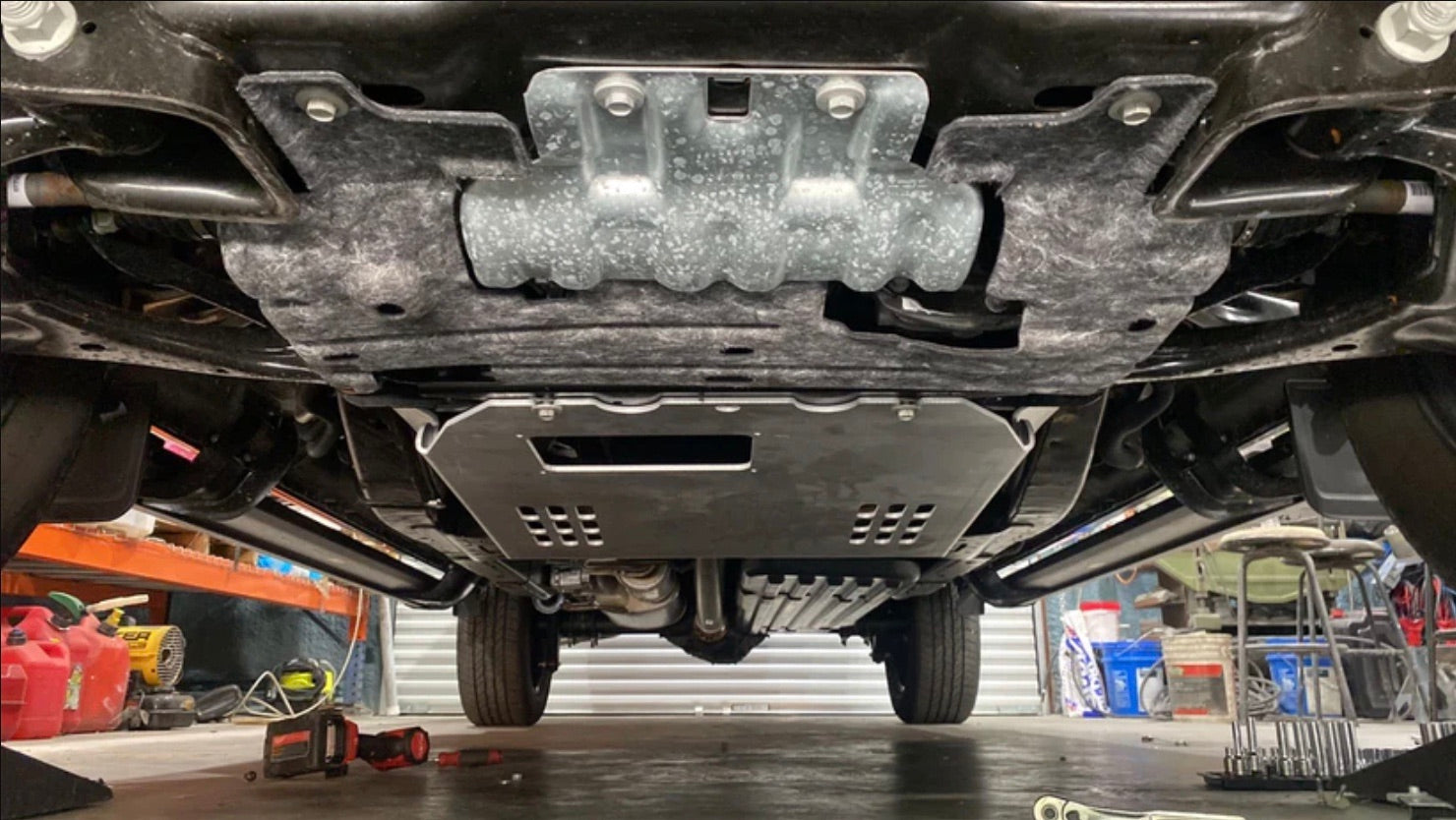
The catalytic converter is part of the exhaust system. It is located between the engine and the muffler. The transmission is connected to the engine and the drive shaft. It sits under the vehicle near the center.
Impact On Vehicle Performance
The catalytic converter affects emission levels and air quality. A faulty converter causes poor exhaust output and failed emissions tests. The transmission affects how the car accelerates and shifts gears. Transmission issues lead to poor driving performance and possible breakdowns.
Credit: www.rival4x4usa.com
Common Misconceptions About Car Components
Many people confuse different parts of a car. This happens because cars have many complex parts. Some parts look similar or work close to each other. This causes wrong ideas about how cars work.
One common mix-up is about the catalytic converter and the transmission. Some think the catalytic converter is part of the transmission. Others believe it controls the car’s gears. These ideas are not correct. Understanding the real role of each part helps keep your car in good shape.
What The Catalytic Converter Actually Does
The catalytic converter is part of the exhaust system. It cleans harmful gases from the engine before they leave the car. It changes dangerous chemicals into less harmful ones. This helps reduce air pollution. The catalytic converter is not connected to how the car changes gears.
What The Transmission Really Is
The transmission is part of the drivetrain. It controls the power from the engine to the wheels. It helps the car move at different speeds. The transmission has gears, shafts, and other mechanical parts. It has no role in cleaning exhaust gases.
Why The Confusion Happens
People often confuse these parts because both are under the car. They are close but have different jobs. The words used to describe car parts can sound technical. This makes it harder to understand what each part does.
How To Identify Each Part In Your Vehicle
The catalytic converter cleans harmful gases from your car’s exhaust. It is not part of the transmission. The transmission moves power from the engine to the wheels.
Understanding car parts helps you know how your vehicle works. It also aids in maintenance and repairs. Two important parts are the catalytic converter and the transmission.
Both parts are in different areas and serve different purposes. Knowing how to find and recognize each part is useful. This guide explains how to identify the catalytic converter and the transmission.
Identifying The Catalytic Converter
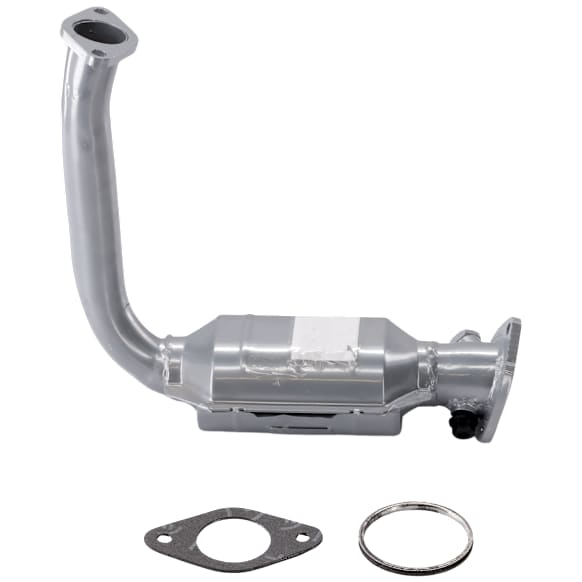
The catalytic converter is part of the exhaust system. It is usually under the car, between the engine and the muffler. It looks like a small metal canister with pipes on each side.
This part is often covered with a heat shield that looks like a thin metal plate. The catalytic converter is not connected to the transmission. It helps reduce harmful gases from the engine.
Identifying The Transmission
The transmission is part of the drivetrain. It is located near the engine but inside the vehicle’s body. It is a larger, heavier metal case compared to the catalytic converter.
The transmission connects to the engine and the driveshaft. It controls the car’s gear changes and power delivery to the wheels. You can see it by looking under the hood or beneath the car near the engine.
Credit: www.carparts.com
Frequently Asked Questions
Is The Catalytic Converter Part Of The Transmission System?
No, the catalytic converter is not part of the transmission system. It is part of the exhaust system that reduces harmful gases.
How Does A Catalytic Converter Differ From A Transmission?
The catalytic converter cleans exhaust gases, while the transmission controls power to wheels. They serve very different car functions.
Can A Faulty Catalytic Converter Affect Transmission Performance?
A bad catalytic converter usually does not impact transmission directly. But it may cause engine problems that affect overall driving.
Where Is The Catalytic Converter Located In A Vehicle?
The catalytic converter is found between the engine and the muffler in the exhaust system. It is not near the transmission.
Conclusion
The catalytic converter is not part of the transmission. It works with the exhaust system to reduce pollution. The transmission helps move power from the engine to the wheels. Both parts are important but serve different roles. Knowing this helps when fixing or replacing car parts.
Keep your vehicle maintained for better performance and less pollution. Understanding these basics makes car care easier and safer.