What Happens If U Put Transmission Fluid in the Oil: Risks Explained
Have you ever wondered what happens if you accidentally put transmission fluid in your engine oil? It might sound like a small mistake, but it can cause serious problems for your car’s performance and health.
If you’re curious or worried about this mix-up, you’re in the right place. You’ll discover exactly what happens inside your engine when these two fluids get mixed and what you should do if it happens to you. Keep reading to protect your car and avoid costly repairs.
Credit: www.meineke.com
Differences Between Transmission Fluid And Engine Oil
Transmission fluid and engine oil are both vital for your vehicle. Each plays a different role in keeping your car running smoothly. Knowing their differences helps understand the risks of mixing them.
Both fluids have unique formulas. These formulas suit the specific needs of either the engine or the transmission system.
Purpose And Function
Engine oil lubricates the engine parts. It reduces friction and prevents wear. It also helps cool the engine and clean dirt.
Transmission fluid lubricates the transmission system. It helps gears shift smoothly. It also cools the transmission and protects against wear.
Chemical Composition
Engine oil contains detergents and additives for high heat and pressure. It is thicker to handle engine conditions.
Transmission fluid is thinner and has friction modifiers. These ensure proper gear engagement and smooth shifting.
Viscosity Differences
Engine oil is thicker to maintain a film between moving parts. It must resist breaking down at high temperatures.
Transmission fluid is thinner for easy flow and quick gear changes. It stays stable under varying pressure.
Impact Of Mixing Fluids
Mixing transmission fluid with engine oil can harm the engine. The oil may lose its ability to lubricate properly.
Transmission fluid in the engine oil can cause engine damage. It can lead to poor performance and costly repairs.
Immediate Effects On Engine Performance
Adding transmission fluid to engine oil can cause thickening and poor lubrication. This may lead to engine noise, overheating, and reduced performance immediately. Oil contamination disrupts normal engine functions quickly.
Putting transmission fluid in the engine oil can cause serious problems quickly. The engine oil is designed to protect and lubricate engine parts. Transmission fluid has different chemicals and properties. Mixing the two can harm the engine’s performance almost immediately.
Reduced Lubrication
Transmission fluid does not lubricate like engine oil. The engine parts may receive less protection. Friction between moving parts increases. This can cause the engine to run rough or make unusual noises. Lack of proper lubrication may lead to early wear and tear.
Engine Overheating
Engine oil helps control temperature inside the engine. Transmission fluid does not cool as effectively. The engine may get hotter than normal. Overheating can cause damage to engine components. Warning lights might come on the dashboard.
Decreased Engine Efficiency
The wrong fluid mix can cause poor engine performance. The engine may lose power or respond slowly. Fuel efficiency can drop noticeably. The engine might stall or hesitate during acceleration. These effects reduce the overall driving experience.
Potential Warning Signs
Unusual smoke from the exhaust may appear. The engine might emit a burning smell. Vibration or shaking could increase. These signs indicate engine trouble caused by the fluid mix. Immediate attention is needed to prevent further damage.
Long-term Damage Risks
Putting transmission fluid into the engine oil can cause serious problems over time. The fluids have different purposes and chemical makeups. Mixing them can harm your engine’s health and lower its performance.
Small amounts might not show immediate issues. But long-term use leads to damage that is costly to fix. Understanding these risks helps avoid expensive repairs later.
Engine Wear And Tear
Transmission fluid does not protect engine parts like motor oil. The engine relies on oil to reduce friction and heat. Transmission fluid lacks the right additives for this job.
Without proper lubrication, metal parts rub more and wear faster. This leads to scratches, scoring, and even engine failure. Over time, engine life shortens significantly.
Clogged Oil Passages
Transmission fluid can cause sludge and deposits inside the engine. This sludge blocks oil passages and restricts flow. Reduced oil flow means less cooling and lubrication.
Clogged passages increase engine temperature and stress. This causes parts to overheat and fail. Cleaning these blockages requires major engine work.
Reduced Oil Pressure
Mixing fluids changes the oil’s thickness and flow properties. Transmission fluid thins the engine oil. Thin oil lowers oil pressure in the system.
Low oil pressure means less protection for engine parts. It triggers warning lights and can cause the engine to seize. The risk of severe damage rises sharply.
Seal And Gasket Damage
Transmission fluid contains different chemicals that can harm engine seals. Seals and gaskets may swell, crack, or leak. Leaks allow oil to escape and dirt to enter.
Damaged seals cause oil loss and contamination. This worsens engine wear and increases repair costs. Seal damage often requires expensive replacements.
How To Identify Transmission Fluid Contamination
Transmission fluid in engine oil causes discoloration and a strong, unusual smell. You may notice foamy or thick oil. These signs show contamination and need quick attention.
Visual Inspection Of Engine Oil
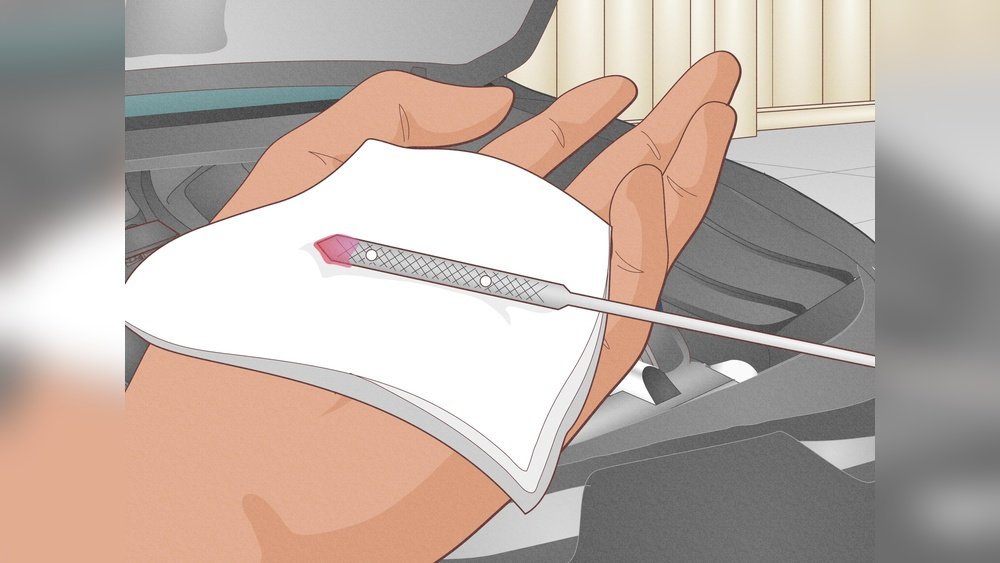
Check the engine oil’s color and texture first. Normal oil is amber or light brown. Transmission fluid is usually red or pink. If the oil looks unusually bright or reddish, contamination is likely. Also, oil that feels slippery or unusually thick can signal a mix of fluids. A simple dipstick check can reveal these changes quickly.
Unusual Engine Noises Or Performance
Listen for strange sounds from the engine. Contaminated oil can cause knocking or ticking noises. The engine may run rough or hesitate. These signs suggest the oil is not lubricating properly. Poor engine performance often points to oil contamination issues.
Smoke From The Exhaust
Observe the exhaust for abnormal smoke. Transmission fluid in the oil can cause blue or gray smoke. This smoke appears when contaminated oil burns inside the engine. Smoke is a clear sign that something is wrong under the hood.
Oil Pressure Warning Light
Watch the dashboard for oil pressure warnings. Contaminated oil can reduce pressure. The oil pressure light may turn on unexpectedly. Low pressure means the engine parts lack proper lubrication. This warning should never be ignored.
Oil Sample Testing
Take a small oil sample to a mechanic. They can test it for contamination. Lab tests reveal the presence of transmission fluid in engine oil. This method is accurate and reliable. Testing helps confirm the problem before costly repairs.
Steps To Fix The Problem Quickly
Putting transmission fluid in the engine oil is a serious mistake. It can harm your engine quickly. Acting fast can reduce damage and save costly repairs. Follow clear steps to fix this problem right away.
Check The Oil And Transmission Fluid Levels
First, check the oil dipstick. Look for a strange color or smell. Transmission fluid may make the oil look thinner or smell sweet. Also, check the transmission fluid level. This helps confirm the mix-up.
Do Not Start Or Run The Engine
Running the engine spreads the wrong fluid everywhere. This causes more damage to engine parts. Avoid starting the car until the fluids are separated and cleaned.
Drain The Contaminated Oil Immediately
Drain the engine oil right away. Let all the mixed oil and transmission fluid flow out. This step removes the harmful fluid from inside the engine.
Replace The Oil Filter
Change the oil filter after draining the oil. The filter holds old fluid and dirt. Installing a new filter prevents contamination of fresh oil.
Refill With Fresh Engine Oil
Pour new, correct engine oil into the engine. Use the oil type recommended by the car maker. This ensures proper engine protection and performance.
Inspect For Engine Damage
Look for signs of engine trouble. Listen for strange noises or check for warning lights. If problems show up, visit a mechanic for a full check.

Credit: www.wikihow.com
Credit: www.reddit.com
Frequently Asked Questions
What Happens If Transmission Fluid Mixes With Engine Oil?
Mixing transmission fluid with engine oil can harm your engine. It lowers the oil’s ability to lubricate and protect parts. This can cause engine wear or damage over time.
Can Transmission Fluid Damage Engine Oil System?
Yes, transmission fluid can damage the engine oil system. It changes oil’s thickness and reduces its cleaning power. This leads to poor engine performance and possible breakdown.
How To Fix Transmission Fluid In The Oil?
Draining and replacing the oil immediately is key. A full oil change removes contaminated fluid. Check the system for leaks or damage to avoid repeats.
Is It Safe To Drive With Mixed Fluids?
Driving with mixed fluids is risky and not safe. The engine may run poorly or overheat. It’s best to fix the issue before using the vehicle again.
Conclusion
Putting transmission fluid in the oil can cause serious engine problems. The fluids have different purposes and can harm engine parts. It may lead to poor lubrication and overheating. Your car might run rough or even break down. Always check fluids carefully before adding them.
Fixing this mistake quickly can save money and damage. Use the right fluid to keep your engine healthy. Avoid mixing fluids to ensure smooth car performance. Remember, prevention is better than costly repairs.