
How to Switch from 2H to 4H Jeep Wrangler Automatic: Easy Guide
If you own a Jeep Wrangler with an automatic transmission, knowing how to switch from 2H to 4H can make a big difference in how you handle different terrains. Whether you’re driving on a slippery road, off-roading, or just need better control, shifting between these modes is easier than you think.
You’ll learn exactly when and how to make the switch smoothly and safely. By the time you finish reading, you’ll feel confident using your Jeep’s 4-wheel drive system to get the most out of every drive. Let’s dive in and make your Jeep work harder for you.
Jeep Wrangler Drive Modes
The Jeep Wrangler offers different drive modes for varied road and weather conditions. These modes help control the vehicle’s power and traction. Understanding them makes driving easier and safer.
Switching between modes is simple. Each mode serves a unique purpose. Knowing when to use each can improve your driving experience.
What Is 2h Mode?
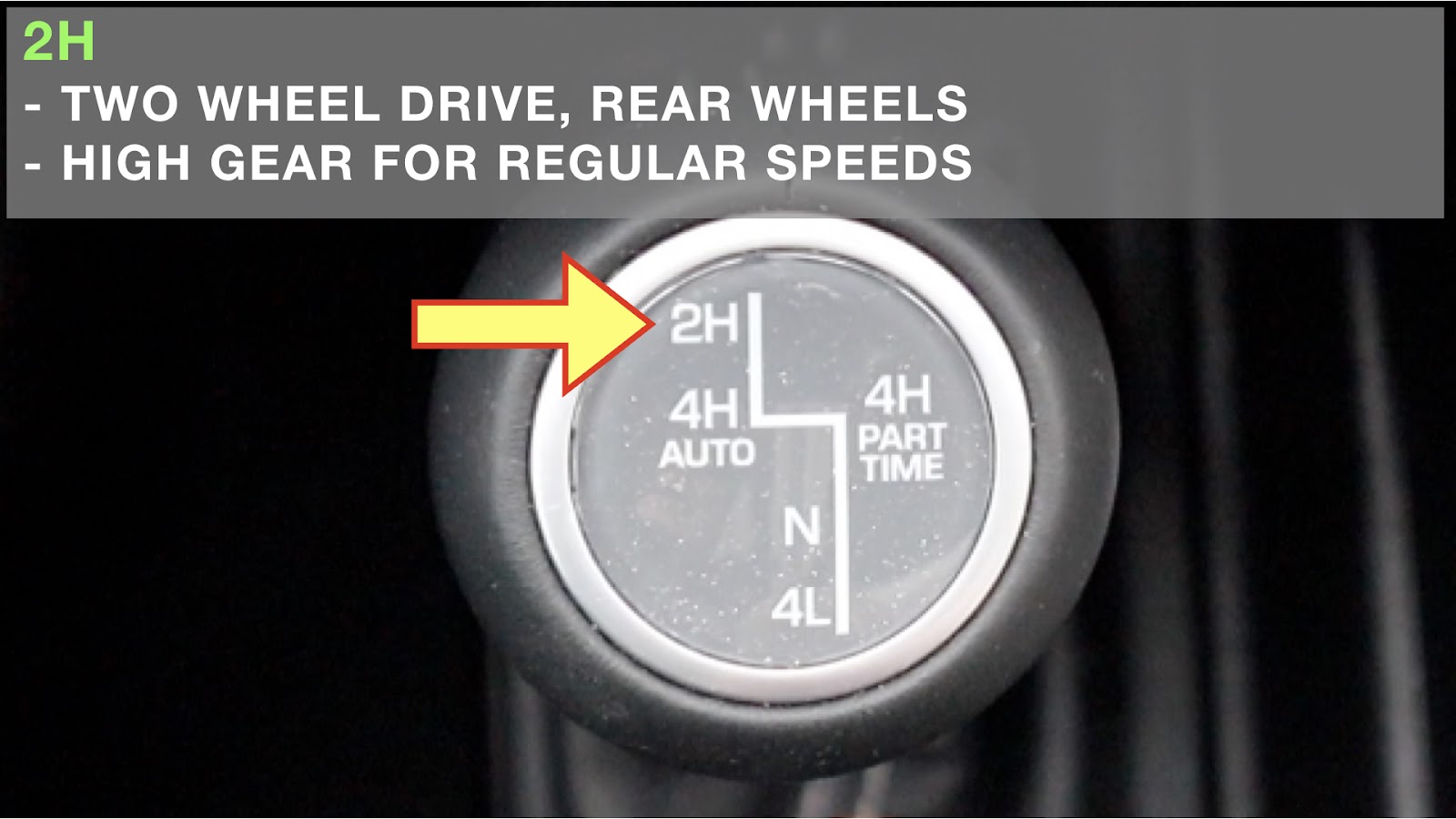
2H stands for Two-Wheel Drive High. In this mode, power goes to the rear wheels only. It is best for normal, dry road driving. Using 2H saves fuel and reduces wear on the drivetrain.
2H mode gives a smooth ride on paved roads. It is the default mode for most driving situations. Avoid using 2H on slippery or off-road surfaces.
Benefits Of 4h Mode
4H means Four-Wheel Drive High. It sends power to all four wheels. This mode improves traction on wet, snowy, or loose surfaces. It helps prevent slipping and keeps the vehicle stable.
4H is useful on dirt roads, gravel, or light off-road trails. It allows better control and confidence in tricky conditions. Use 4H at moderate speeds for safer driving on rough surfaces.

Credit: www.youtube.com
When To Use 4h Mode
Knowing when to use 4H mode in your Jeep Wrangler is key to safe driving. This mode is designed for specific road and weather conditions. Using it at the right time helps maintain control and prevents damage to your vehicle.
Off-road Conditions
4H is ideal for light off-road trails. It improves traction on dirt, gravel, and rocky paths. Using 4H helps your Jeep handle uneven ground better. It spreads power to all wheels, giving you more grip. This makes climbing hills and crossing obstacles easier. Avoid using 4H on smooth pavement. It can cause strain on your drivetrain and tires.
Slippery Surfaces
Switch to 4H on slippery roads covered with snow or ice. It increases wheel traction and reduces slipping. Rain-soaked roads can also benefit from 4H mode. The extra grip helps you stay in control during acceleration and turns. Driving in 4H reduces the risk of skidding and sliding. Remember to lower your speed for better safety in slippery conditions.
Preparing Your Jeep For 4h
Before switching your Jeep Wrangler from 2H to 4H, prepare the vehicle carefully. This step is important to avoid damage and ensure smooth operation. Your Jeep needs to be ready for the change in power and traction.
Preparing your Jeep helps it perform better on tough terrain. It also protects the drivetrain and tires from unnecessary wear. Take time to check a few key things before shifting into 4H.
Check Vehicle Speed
Always check your Jeep’s speed before switching to 4H. Most Jeep Wranglers need to be moving at a low speed. Usually, this means below 55 mph. Changing to 4H at higher speeds can harm the transfer case.
Stop or slow down if needed. Make sure the speed is steady. Avoid sudden accelerations or stops while shifting. A smooth change helps the vehicle handle better and lasts longer.
Ensure Proper Terrain
Use 4H only on suitable terrain. This mode is best for loose or slippery surfaces. Mud, snow, sand, and gravel are good examples. Avoid using 4H on dry pavement.
Driving on hard pavement in 4H can cause tire scrubbing. It can also strain the drivetrain. Choose your terrain carefully. Your Jeep will perform well and stay in good condition.

Credit: www.youtube.com
Switching From 2h To 4h
Switching from 2H to 4H in a Jeep Wrangler is an essential skill for off-road driving. The 2H mode drives only the rear wheels, which is best for normal road use and saves fuel. The 4H mode powers all four wheels, providing better traction on slippery or rough surfaces.
Knowing how to switch between these modes helps maintain control and safety. This guide explains the simple steps to shift from 2H to 4H in an automatic Jeep Wrangler. It also highlights common mistakes to avoid during the process.
Step-by-step Process
Start by slowing the vehicle to about 5 mph or less. You do not need to stop completely.
Keep the transmission in Drive or Neutral. Shifting while in Reverse can damage the transfer case.
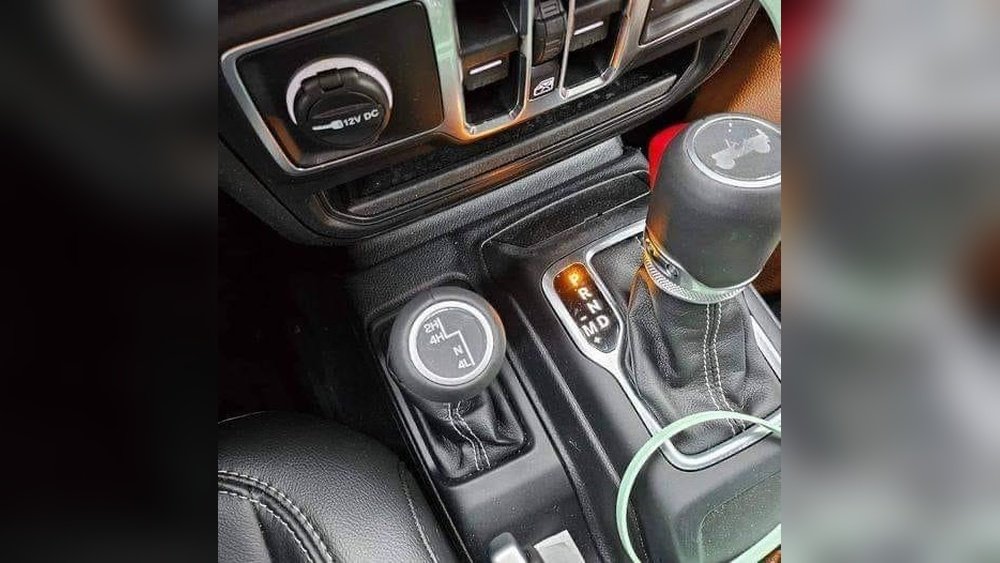
Locate the 4WD control knob or lever on your Jeep’s dashboard or center console.
Turn or push the control to the 4H position. You may hear a slight click as it engages.
Wait a few seconds for the system to connect the front wheels. A light on the dashboard will confirm 4H is active.
Drive carefully on the rough or slippery surface with 4H engaged.
Common Mistakes To Avoid
Do not shift to 4H at high speeds. It can cause damage to the drivetrain.
Avoid switching while the vehicle is in Reverse or Park. Always be in Drive or Neutral.
Do not use 4H on dry, paved roads. It can lead to tire wear and drivetrain stress.
Ignore dashboard warnings. If the 4WD light blinks or won’t engage, stop and check the system.
Do not force the control knob or lever. It should move smoothly to 4H.
Maintaining Your 4h System
Maintaining your 4H system is key for a smooth off-road experience. This system helps your Jeep Wrangler handle rough terrains with better traction. Regular care keeps it working well and extends its lifespan.
Checking the system often can prevent problems. Simple inspections catch issues early. Fixing small faults avoids costly repairs. Knowing how to troubleshoot helps you stay safe and confident on the road.
Regular Inspection Tips
Start with a visual check of the transfer case and drive shafts. Look for leaks, cracks, or loose parts. Check the fluid levels and condition. Clean the connectors and remove dirt or debris. Listen for unusual noises during operation. Inspect the tires to ensure even wear. Regular inspections help spot problems before they grow.
Troubleshooting Issues
Notice if the 4H system does not engage properly. Check for warning lights on the dashboard. Test the switch and wiring for damage. Inspect the vacuum lines for leaks or cracks. Listen for grinding sounds when shifting. Address slipping or jerking immediately. Simple fixes often restore proper function. Seek professional help if issues persist.
Credit: cheaperjeepertv.com
Frequently Asked Questions
How Do I Switch From 2h To 4h In A Jeep Wrangler?
Shift the transfer case lever from 2H to 4H while driving under 55 mph. Make sure the wheels are rolling and the vehicle is in gear. The process is quick and smooth.
Can I Shift To 4h While Driving My Jeep?
Yes, shifting to 4H is safe while driving at low to moderate speeds. Keep the speed below 55 mph for a smooth transition. Avoid shifting at high speeds to protect the drivetrain.
What Does 4h Mode Do In A Jeep Wrangler?
4H mode powers all four wheels for better traction on slippery or rough terrain. It helps maintain control on snow, mud, or loose gravel. Use 4H for off-road or poor road conditions.
Will Switching To 4h Damage My Jeep’s Transmission?
Switching to 4H correctly will not damage the transmission. Always follow the recommended speed limits and shift smoothly. Incorrect use, like shifting while stopped in gear, might cause wear.
Conclusion
Switching from 2H to 4H on your Jeep Wrangler is simple. Just follow the steps carefully and stay safe. Remember, 4H helps in rough or slippery conditions. Avoid using 4H on dry pavement to prevent damage. Practice switching while stopped or moving slowly.
This keeps your Jeep in good shape. Now you can enjoy better control and traction. Drive confidently and enjoy your Jeep’s off-road abilities.