Do I Need an Alignment After Replacing Ball Joints? Essential Guide
Have you just replaced your ball joints and wondered if you need an alignment afterward? This is a question many car owners face but don’t always get a clear answer to.
The truth is, skipping an alignment could lead to uneven tire wear, poor handling, and even safety risks. But how do you know when an alignment is truly necessary? You’ll discover exactly why an alignment might be the crucial next step after your ball joint replacement—and how it can save you time, money, and stress down the road.
Keep reading to find out what your car really needs to stay safe and smooth on the road.

Credit: www.reddit.com
Role Of Ball Joints In Vehicle Suspension
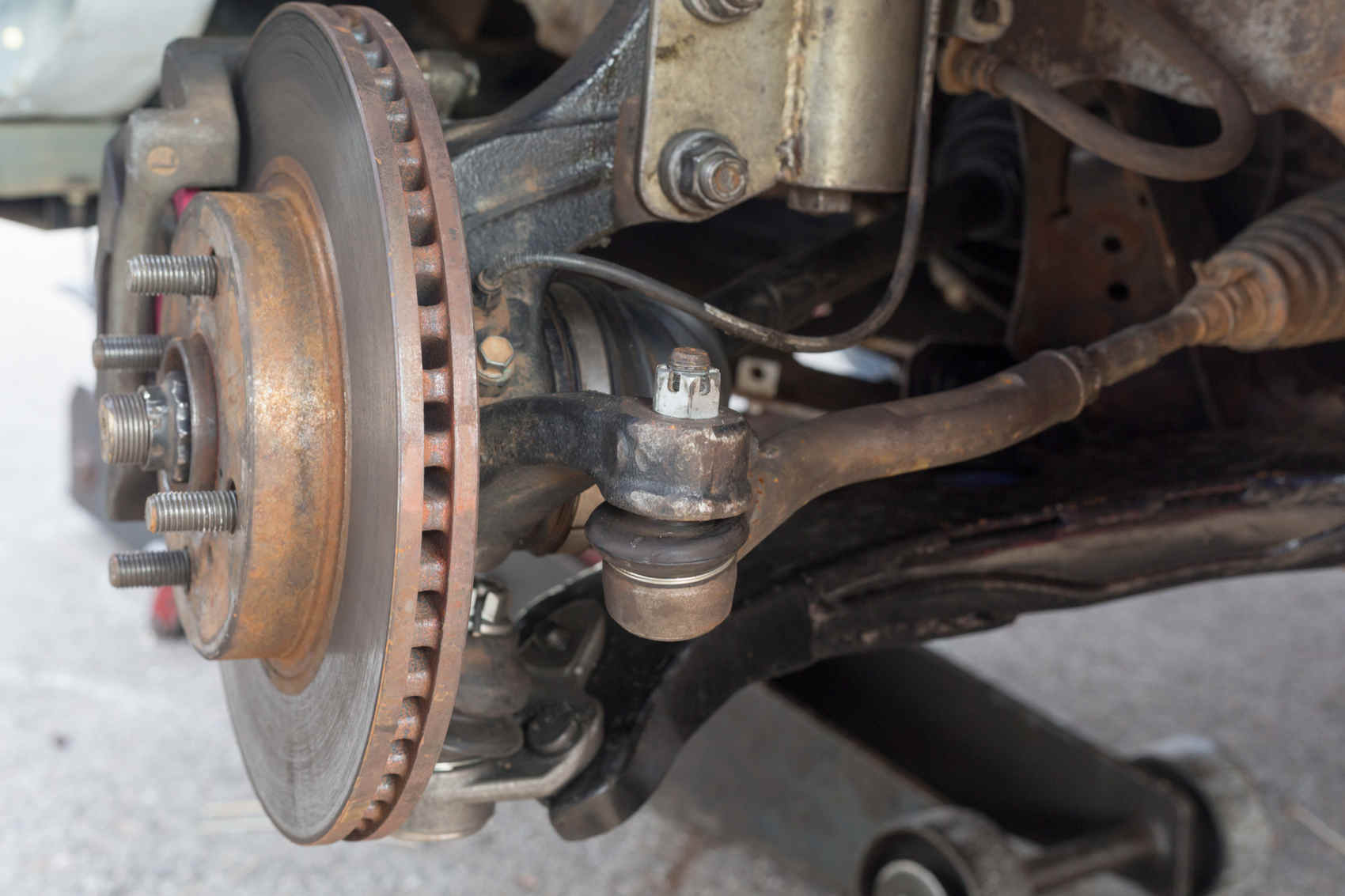
Ball joints are vital parts of a vehicle’s suspension system. They connect the control arms to the steering knuckles. This connection allows smooth movement and steering control.
These joints act like a pivot. They let the wheels move up and down while turning left or right. This flexibility helps keep the tires in contact with the road.
Ball joints support the weight of the vehicle. They absorb shocks from bumps and rough roads. Without strong ball joints, driving would be unsafe and uncomfortable.
What Ball Joints Do
Ball joints enable the wheels to move in different directions. They allow the suspension to flex over uneven surfaces. This flexibility helps maintain vehicle stability and control.
They also help with steering precision. When you turn the steering wheel, ball joints transmit motion to the wheels. This makes driving smoother and safer.
How Ball Joints Affect Suspension
Worn or damaged ball joints cause suspension problems. They can make the steering feel loose or shaky. This reduces control and increases tire wear.
Bad ball joints may cause uneven tire wear. They affect wheel alignment and handling. This can lead to dangerous driving conditions if not fixed.
Importance Of Maintaining Ball Joints
Regular inspection of ball joints is essential. Early detection of wear prevents bigger suspension issues. Proper maintenance ensures a safe and smooth ride.
Replacing worn ball joints restores suspension function. It helps keep the wheels aligned and the vehicle stable on the road.
Signs Of Worn Or Damaged Ball Joints
Worn or damaged ball joints can cause serious issues with your vehicle’s handling. Recognizing the signs early helps prevent bigger problems and costly repairs. Watch for changes in how your car drives and sounds. These clues often point to ball joint trouble.
Uneven Tire Wear
Tires wear faster on one side if ball joints are bad. This happens because the wheels do not stay aligned. Uneven tire wear means the ball joints may not hold the wheel properly.
Clunking Noises
Listen for clunking sounds from the front suspension. These noises often appear when going over bumps or making turns. Clunking is a common sign that ball joints are loose or worn out.
Steering Problems
Loose or shaky steering can indicate ball joint issues. The steering may feel less responsive or wander on the road. This makes the car harder to control and less safe to drive.
Vibration In The Front End
Feeling vibrations through the steering wheel can signal bad ball joints. These vibrations increase with speed and may worsen on rough roads. It means the ball joints cannot keep the suspension stable.
How Ball Joint Replacement Affects Wheel Alignment
Replacing ball joints can change the wheel’s position and cause misalignment. Getting an alignment after replacement ensures proper tire wear and safe driving. It helps keep the vehicle stable and extends the life of your tires.
Replacing ball joints changes the position of key suspension parts. This shift can alter wheel alignment settings. Even small changes affect how your car drives and wears tires.
Ball joints connect the control arms to the steering knuckles. When these joints wear out, they cause looseness and uneven tire wear. Installing new ball joints restores tight control but can shift alignment angles.
Changes In Camber And Caster Angles
New ball joints can change camber and caster angles. Camber is the tilt of the wheels inward or outward. Caster is the angle of the steering pivot. Both angles affect tire contact and steering response.
Improper camber can cause tires to wear on one side. Wrong caster affects steering stability and cornering. Ball joint replacement may shift these angles beyond factory specs.
Impact On Toe Settings
Toe refers to the direction wheels point relative to the car’s centerline. Toe-in means wheels point inward; toe-out means they point outward. This setting influences tire wear and vehicle tracking.
Changing ball joints can disrupt toe alignment. Incorrect toe leads to pulling, uneven tire wear, and poor handling. Realigning toe after replacement is important for smooth driving.
Why Realignment Is Necessary After Replacement
Replacing ball joints alters suspension geometry. This can throw off alignment angles. Realignment ensures wheels are set to manufacturer specifications.
Proper alignment improves tire life, fuel efficiency, and safety. Skipping this step risks uneven tire wear and steering problems. A professional alignment after ball joint replacement is highly recommended.
Importance Of Wheel Alignment After Replacement
Replacing ball joints affects your vehicle’s suspension and steering. Wheel alignment ensures your wheels point in the right direction. Without alignment, your car may pull to one side or the tires may wear unevenly.
Proper alignment improves safety and driving comfort. It helps maintain control and reduces the risk of accidents. It also extends tire life and saves money on replacements.
Maintains Proper Steering Control
Ball joint replacement can change the angle of your wheels. Misaligned wheels make steering harder and less accurate. Alignment fixes this by adjusting the wheels back to the right position.
Prevents Uneven Tire Wear
Incorrect wheel alignment causes tires to wear out faster on one side. This wears down tires unevenly and reduces their lifespan. Alignment keeps tire wear even, saving money on new tires.
Improves Fuel Efficiency
Misaligned wheels create extra drag on the road. This forces your engine to work harder, using more fuel. Proper alignment reduces drag and helps improve gas mileage.
Enhances Vehicle Stability
Alignment helps your car stay stable on the road. It reduces vibrations and wobbling during driving. This makes your ride smoother and safer.
Risks Of Skipping Alignment Post-replacement
Skipping an alignment after replacing ball joints carries several risks. Proper alignment ensures your vehicle handles well and drives safely. Without it, you may face serious problems that affect your car’s performance and safety.
Ignoring alignment can cause uneven tire wear, which leads to more frequent tire replacements. It also puts extra stress on suspension parts, causing them to wear out faster. These issues increase repair costs and reduce your car’s lifespan.
Alignment affects how your vehicle tracks on the road. Without it, the car may pull to one side, making driving difficult and unsafe. This can increase the chances of accidents, especially on busy roads or in bad weather.
Uneven Tire Wear
Misalignment causes tires to wear unevenly. This reduces tire life and increases replacement costs. Uneven wear also decreases traction, making driving less stable and more dangerous.
Reduced Vehicle Control
Skipping alignment affects steering response. The car may pull to one side or feel loose. This makes controlling the vehicle harder and unsafe, especially at high speeds.
Increased Suspension Damage
Bad alignment adds stress to suspension parts. This leads to faster wear and possible failure. Repairs become more frequent and expensive without proper alignment.
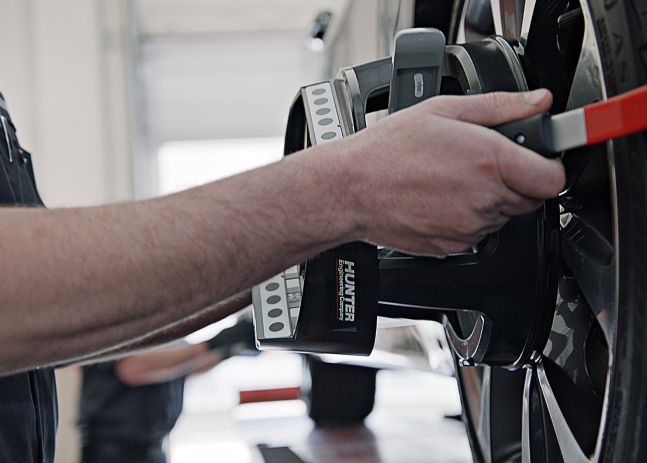
Credit: www.firestonecompleteautocare.com
Steps To Ensure Proper Alignment After Ball Joint Repair
After replacing ball joints, proper alignment is crucial for safe driving. Misalignment can cause uneven tire wear and poor handling. Follow these steps to ensure the alignment is correct and your vehicle drives smoothly.
Check The Vehicle’s Suspension And Steering Components
Inspect all suspension parts for wear or damage. Worn parts can affect alignment settings. Replace any faulty components before adjusting alignment. This step prevents future issues and keeps the vehicle stable.
Perform A Preliminary Alignment Inspection
Measure the current alignment angles using alignment tools. This shows how much adjustment the vehicle needs. Note toe, camber, and caster angles. These measurements guide the technician during the alignment process.
Adjust Toe, Camber, And Caster Angles
Set the toe angle to ensure wheels point straight ahead. Adjust camber so tires sit flat on the road. Correct caster for proper steering feel and stability. Each angle must fit the vehicle’s specifications exactly.
Test Drive And Recheck Alignment
Drive the vehicle on a flat road to test handling. Check if the steering wheel is centered and the car tracks straight. Re-measure alignment angles after the test drive. Fine-tune adjustments if needed for perfect alignment.
Cost And Time Considerations For Alignment Service
Replacing ball joints affects your vehicle’s alignment. Checking and adjusting alignment is important to keep your car driving straight and safe. Knowing the costs and time involved helps you plan better. This section explains what to expect when getting an alignment after ball joint replacement.
Cost Of Alignment Service
Alignment prices vary by location and shop. On average, expect to pay between $50 and $100. Some shops offer package deals with other repairs. Higher-end vehicles might cost more for alignment. The cost is worth avoiding uneven tire wear and poor handling.
Time Required For Alignment
Alignment usually takes about 30 to 60 minutes. It depends on the vehicle and the equipment used. Some shops can complete it faster with modern tools. Plan for extra time if you have other repairs done.
Factors Influencing Cost And Time
Vehicle type affects cost and time. Trucks and SUVs often take longer to align. Severe misalignment after ball joint replacement may need more adjustment. Shops with advanced machines can do the job quicker and more accurately.
Credit: pneuunik.com
Frequently Asked Questions
Do I Need An Alignment After Ball Joint Replacement?
Yes, an alignment is recommended after replacing ball joints. It ensures your wheels are correctly positioned. This helps avoid uneven tire wear and improves driving safety.
How Does Ball Joint Replacement Affect Wheel Alignment?
Replacing ball joints can change wheel angles slightly. Misalignment can cause steering problems and tire damage. Getting an alignment fixes these issues and keeps your car driving smoothly.
What Signs Show I Need An Alignment Post Ball Joint Repair?
Look for uneven tire wear, pulling to one side, or shaky steering. These signs suggest your wheels are out of alignment. An alignment check can solve these problems after ball joint work.
Can Skipping Alignment After Ball Joint Change Cause Damage?
Skipping alignment may cause uneven tire wear and poor handling. It can also lead to faster suspension wear. Aligning wheels after ball joint replacement helps protect your vehicle and tires.
Conclusion
Replacing ball joints can affect your vehicle’s alignment. A proper alignment keeps your tires wearing evenly and your car driving straight. Skipping an alignment might cause uneven tire wear or steering problems. It also helps your car handle better and improves safety.
Always check your alignment soon after ball joint replacement. This small step saves money and trouble later. Keep your ride smooth and safe by staying on top of alignment needs. Don’t ignore this important part of car care.