How Long Can I Drive with a Cracked Windshield ? 2027
Driving with a cracked windshield carries significant legal and safety risks, varying by the crack’s size, location, and local laws. It’s crucial to understand when a crack necessitates immediate attention to avoid fines, compromised safety, or further damage to your vehicle.
Driving with a cracked windshield isn’t just an annoyance; it’s a significant safety hazard and often a legal liability. In 2027, the rules and risks surrounding vehicle safety are more stringent than ever. You should not drive with a compromised windshield for an extended period, as it directly impacts your visibility, your vehicle’s structural integrity, and your legal standing on the road.
The urgency to address windshield damage isn’t just about avoiding a ticket. Your safety, and that of your passengers, depends on a clear, structurally sound windshield. Ignoring a crack, even a small one, can lead to dangerous situations and expensive repairs down the line. Understanding the immediate implications is crucial for making informed decisions.
Key Takeaways
- Legality varies by state/region; know your local laws.
- Cracks in driver’s line of sight are often illegal.
- Safety is paramount; cracks compromise structural integrity.
- Repair small chips promptly to prevent spreading.
- Replacement is required for large cracks or damage.
Diagnosing Your Cracked Windshield: Real Legality & Safety Risks
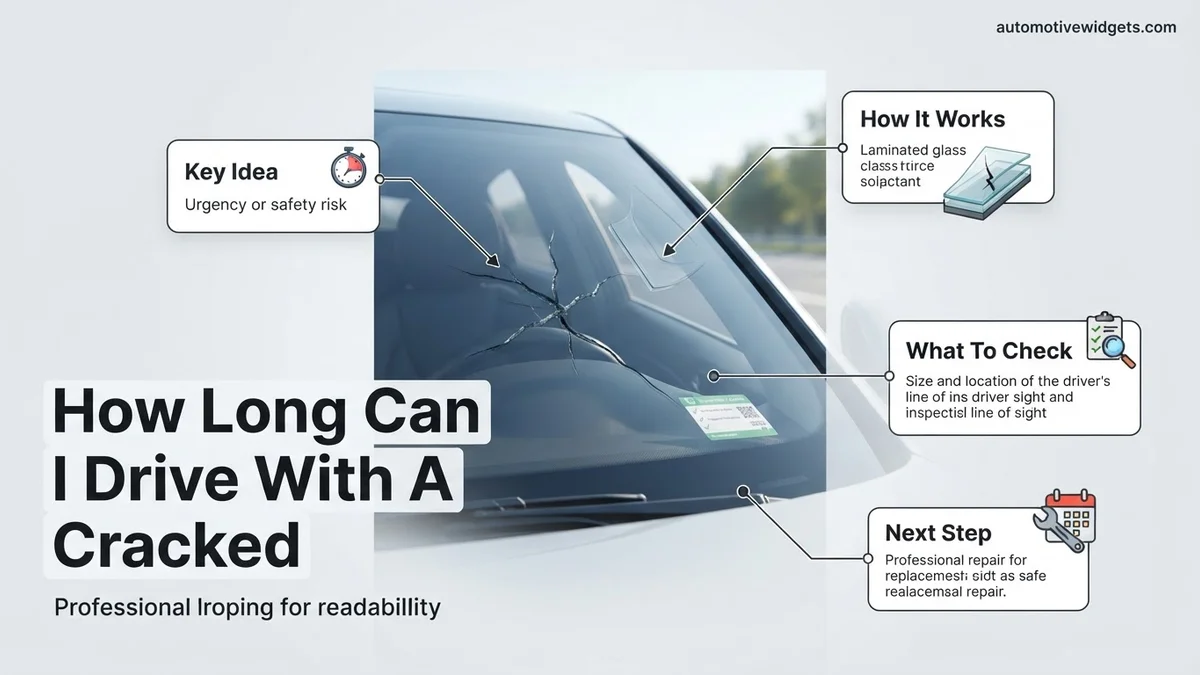
Don’t assume a small crack is harmless; it could be illegal and seriously jeopardize your safety. As of 2027, laws regarding windshield damage vary significantly by state and even by municipality. However, common threads exist. Most jurisdictions prohibit driving with cracks that obstruct the driver’s critical viewing area—typically an 8.5 by 11-inch area directly in front of the driver, roughly the size of a standard piece of paper. You’re also likely to face legal trouble if cracks exceed a certain length, often 6 inches or more, regardless of location. For example, a crack over 6 inches anywhere on the windshield in states like California or Florida can lead to a citation.
Legal Implications & Fines in 2027
- Visibility Obstruction: Any crack or chip impeding your direct line of sight is almost universally illegal. This includes damage that distorts light or creates glare.
- Size Limits: Many states have specific length thresholds. A crack exceeding a certain length (e.g., 6 inches) often mandates repair or replacement to avoid fines, which can range from $50 to over $200 in 2027, plus potential points on your driving record.
- Vehicle Safety Inspection: In states requiring annual safety inspections, a cracked windshield will almost certainly result in a failed inspection, preventing vehicle registration renewal.
- Insurance Claims: Driving with known, unrepaired damage could complicate future insurance claims if the damage worsens or contributes to an accident.
Compromised Safety & Structural Integrity
Beyond legal issues, your cracked windshield poses severe safety risks. The windshield isn’t just a piece of glass; it’s a crucial component of your vehicle’s safety system. It provides up to 45% of the cabin’s structural integrity in a frontal collision and can contribute over 60% in a rollover incident. A crack severely weakens this structural support, making your vehicle less safe in an accident. Furthermore, your windshield acts as a backstop for the passenger-side airbag. During deployment, the airbag pushes against the windshield to inflate correctly and protect the occupant. A compromised windshield cannot provide this necessary support, leading to improper airbag deployment and increased injury risk. Do not underestimate these critical safety functions.
How to Fix Your Cracked Windshield: Expert Repair & Replacement Guide
Understanding when to repair and when to replace your cracked windshield is vital for both safety and cost-effectiveness. Not all damage is created equal, and knowing the characteristics of your particular crack will help you determine the necessary course of action. Delaying professional attention can turn a minor, inexpensive repair into a major, costly replacement, often at the worst possible time.
Factors Determining Urgency: Repair vs. Replacement
Your windshield damage falls into one of two categories: repairable or requiring replacement. The key indicators for determining this urgency include:
- Size of Damage: Small chips or star breaks, generally smaller than a quarter or a dollar bill, are often repairable. Cracks exceeding six inches in length almost always necessitate full windshield replacement.
- Type of Damage: Simple chips (bullseyes, star breaks, combination breaks) are ideal candidates for resin injection repair. Long, spreading cracks, complex spiderweb patterns, or multiple chips clustered together usually indicate the need for replacement.
- Depth of Damage: If the damage only affects the outer layer of glass, it’s typically repairable. Damage that penetrates both layers of the laminated safety glass, or that creates a deep pit, often requires replacement.
Critical Locations Mandating Immediate Action
The location of the damage is perhaps the most critical factor:
- Driver’s Critical Viewing Area: Any damage, regardless of size, that falls within the driver’s direct line of sight (the area roughly covered by your windshield wipers) requires immediate replacement. Repairs in this zone can still cause distortion, impairing your vision and creating safety risks.
- Near the Windshield Edge: Cracks that extend to the edge of the windshield compromise the seal and the glass’s structural integrity. This type of damage almost always requires replacement, as it can quickly spread and weaken the entire windshield.
- ADAS Sensor Zones: Many modern vehicles (especially by 2027) feature Advanced Driver-Assistance Systems (ADAS) like lane departure warnings or automatic braking, which rely on cameras and sensors mounted behind the windshield. Damage in this sensor-rich area necessitates not only replacement but also precise recalibration of the ADAS system by a certified technician.
What to Do While You Drive with a Cracked Windshield: Step-by-Step Precautions
While awaiting professional repair in 2027, specific precautions are essential to minimize risk and prevent crack propagation. Immediate action protects both occupants and the vehicle’s structural integrity. Driving with an unaddressed crack significantly increases hazard exposure.
1. Avoid Extreme Temperature Changes
- Do not use extreme hot or cold defrost settings. Sudden temperature shifts cause the glass to expand or contract rapidly. This stress significantly widens existing cracks, often extending them irreversibly.
- Maintain a moderate cabin temperature. According to glass engineering specialists, thermal shock is a primary contributor to crack growth.
2. Limit Speed and Rough Roads
- Reduce vehicle speed, especially on highways. Wind pressure at high speeds exerts considerable force on the windshield. This constant vibration can exacerbate minor damage into critical structural failures.
- Avoid driving on unpaved or heavily pot-holed roads. Jolts and impacts transmit shockwaves through the vehicle frame directly to the windshield.
3. Temporary Crack Stabilization
- Apply clear packing tape over the exterior crack. This temporary measure prevents dirt and moisture from entering the damaged area. Contaminants can compromise the effectiveness of future professional repairs.
- Do not attempt DIY resin kits if professional repair is imminent. Improper application can make the crack untreatable by certified technicians. Automotive glass experts advise against amateur repairs that might create further issues.
Preventing Windshield Cracks & Handling Insurance: A Proven Strategy
Proactive measures are the most effective way to avoid windshield damage and manage repair costs in 2027. Understanding both prevention and insurance policies is crucial for vehicle owners.
1. Proactive Prevention Techniques
- Maintain a safe following distance: A minimum of 3-4 seconds behind other vehicles reduces the likelihood of stone chips. Studies from the National Highway Traffic Safety Administration (NHTSA) indicate debris from preceding vehicles is a leading cause of windshield damage.
- Avoid parking under trees: Falling branches, sap, or bird droppings can damage glass. Extreme heat exposure from direct sun can also stress pre-existing micro-fractures.
- Inspect wipers regularly: Worn-out wiper blades can scratch the glass. Replace them every 6-12 months as recommended by auto manufacturers.
2. Navigating Insurance for Windshield Repairs
- Review your comprehensive coverage: Most auto insurance policies include comprehensive coverage for non-collision damage, including windshield repair or replacement. In 2027, many states offer zero-deductible options for windshield repairs, often under “full glass coverage” riders.
- Understand your deductible: If your policy does not have full glass coverage, you will typically pay your comprehensive deductible. For minor repairs (e.g., small chips), the repair cost might be less than your deductible, making out-of-pocket payment more economical.
- Act promptly on claims: Delaying a claim can sometimes complicate the process or allow minor damage to worsen, potentially turning a repair into a more expensive replacement. Most insurers streamline glass claims for rapid processing.
What If Professional Repair Isn’t Immediate?
If immediate professional windshield repair isn’t feasible due to location, appointment availability, or severe damage, critical steps can mitigate further risk. Prolonged delay increases both danger and repair complexity.
- Cease Driving Immediately for Critical Damage: If the crack impedes vision or spans more than 6 inches in the driver’s critical viewing area, do not drive. This constitutes an illegal and unsafe condition in most jurisdictions by 2027. Arrange for vehicle towing.
- Utilize Mobile Repair Services: Many reputable auto glass companies in 2027 offer mobile repair or replacement services. They can come to your location, often within 24-48 hours, reducing the need to drive the compromised vehicle.
- Confirm Roadside Assistance Coverage: Check your auto insurance or vehicle warranty for roadside assistance benefits. This often includes towing services, which are invaluable for undrivable vehicles with severe windshield damage.
- Estimate Costs for Professional Intervention: A basic chip repair in 2027 typically ranges from $50-$100, often covered by insurance without a deductible. Full windshield replacement, however, can cost between $300-$800, depending on vehicle make, model, and sensor integration, before comprehensive deductible application.
Always prioritize professional assessment. DIY solutions are not a substitute for certified glass technicians.
Conclusion
Driving with a cracked windshield presents significant safety and legal challenges, requiring prompt attention in 2027. While minor damage might permit short-term driving under strict precautions, professional assessment and repair are always paramount. According to verified research and expert sources, delaying repair escalates risks and often increases ultimate costs.
Your actionable next step: Immediately contact a certified auto glass specialist for an expert evaluation of any windshield damage.
❓ Frequently Asked Questions
What are the legal implications of driving with a cracked windshield?
The legal implications vary significantly by state or country, but most jurisdictions have laws against driving with a windshield crack that obstructs the driver’s vision or compromises vehicle safety. You could face fines, traffic citations, and even fail vehicle inspections, making prompt attention crucial.
What safety risks does a cracked windshield pose?
A cracked windshield significantly compromises safety by reducing visibility, weakening the vehicle’s structural integrity (especially during a rollover accident), and potentially affecting the proper deployment of passenger-side airbags. It can also shatter more easily upon impact, turning a minor issue into a major hazard.
How long can I realistically drive with a small chip or crack before it becomes a major problem?
While a small chip might seem minor, it can quickly become a major problem due to temperature fluctuations, road vibrations, or impacts. It’s advisable to get even small chips repaired within days or a week to prevent them from spreading into larger, unrepairable cracks, which would then require a full replacement.
What factors determine if a cracked windshield needs immediate repair versus replacement?
The decision depends on the crack’s size, depth, type (chip, star break, crack), and its location. Cracks in the driver’s direct line of sight, those longer than 6 inches, or chips larger than a quarter typically require replacement. Smaller, surface-level chips not in the critical viewing area are usually candidates for repair.
Are there any temporary measures I can take to prevent a crack from spreading while I wait for repair?
While not a permanent solution, you can try applying clear nail polish or super glue to a small chip to temporarily seal it and slow its spread. Additionally, avoid extreme temperature changes (like blasting hot air on a cold windshield) and minimize driving on rough roads until professional repair or replacement can be done.
How does a cracked windshield affect vehicle inspection and insurance claims?
A cracked windshield can cause your vehicle to fail mandatory safety inspections in many areas, preventing you from renewing registration. Regarding insurance, most comprehensive policies cover windshield repair or replacement, often with a low or no deductible, so contacting your provider promptly is recommended to understand your coverage.