Can I Get a Car Wash With a Cracked Windshield? Expert 2026
Taking a car with a cracked windshield through an automated car wash is highly risky, as high-pressure water, brushes, and temperature changes can rapidly spread the damage or even shatter the glass. It’s strongly advised to repair or replace the windshield first to ensure safety and prevent further costly damage.
Driving your car through an automatic car wash seems like a simple chore, but if you have a cracked windshield, this routine task carries significant risks. In 2026, with advanced car wash technologies and increasingly stringent vehicle safety standards, understanding these dangers is more critical than ever. The direct answer is clear: taking a car with a cracked or chipped windshield through an automatic car wash is generally a bad idea and can lead to far worse, more expensive problems.
You might be thinking a quick wash won’t hurt, especially if the crack is small. However, the forces at play within a modern car wash are specifically designed to strip away dirt, not to be gentle on compromised glass. Ignoring a small crack can quickly turn it into a major safety hazard, demanding a full windshield replacement instead of a simple repair. This isn’t just about aesthetics; it’s about your safety and your wallet.
Key Takeaways
- Car washes significantly risk crack spread.
- High-pressure water and brushes stress glass.
- Temperature shifts worsen existing damage.
- Repair or replace windshield before washing.
- Hand wash as a safer, temporary alternative.
What Causes Windshield Cracks to Worsen in Car Washes?
Automatic car washes, whether touchless or brush-based, subject your vehicle to a gauntlet of forces that actively work against the integrity of a cracked windshield. These environments combine extreme pressures, mechanical stress, and rapid temperature shifts, creating a perfect storm for crack propagation.
High-Pressure Water Jets and Direct Impact
- Hydrodynamic Stress: Modern car washes in 2026 utilize powerful jets of water, often at pressures exceeding 1,000 PSI, to blast away dirt. When these focused streams hit a pre-existing crack or chip, the water is forced into the micro-fractures.
- Rapid Expansion: This intense pressure acts like a wedge, pushing against the internal structure of the glass and rapidly expanding the crack. Even a small chip can spiderweb almost instantly.
- Touchless vs. Brush: While touchless washes avoid direct contact from brushes, their reliance on even higher water pressure means the risk of crack spread is still very real, if not amplified, by the sheer force directed at your windshield.
Mechanical Vibration and Temperature Shock
- Brush-Induced Stress: In traditional brush car washes, the rotating brushes physically rub and vibrate against the windshield. This mechanical stress, though seemingly minor, can cause existing cracks to lengthen and deepen, especially at their endpoints. The constant friction and jostling are detrimental to weakened glass.
- Thermal Shock: Car washes often use heated water or steam for cleaning, followed by cold rinses or powerful air dryers. These sudden temperature fluctuations create significant thermal stress on the glass. A crack acts as a stress concentrator; the rapid expansion and contraction of the glass around the crack can cause it to spread dramatically. This is particularly true in colder climates or during winter months where the external temperature difference is greater.
- Compromised Structural Integrity: Any significant crack compromises the windshield’s role as a structural component of your vehicle, reducing its ability to withstand impacts and support the roof in a rollover.
How to Safely Address a Cracked Windshield Before Washing
Knowing the risks, the prudent approach is to address any windshield damage proactively, well before considering a car wash. Attempting to wash a damaged windshield can turn a minor issue into a costly and potentially dangerous problem.
Immediate Action for Minor Damage
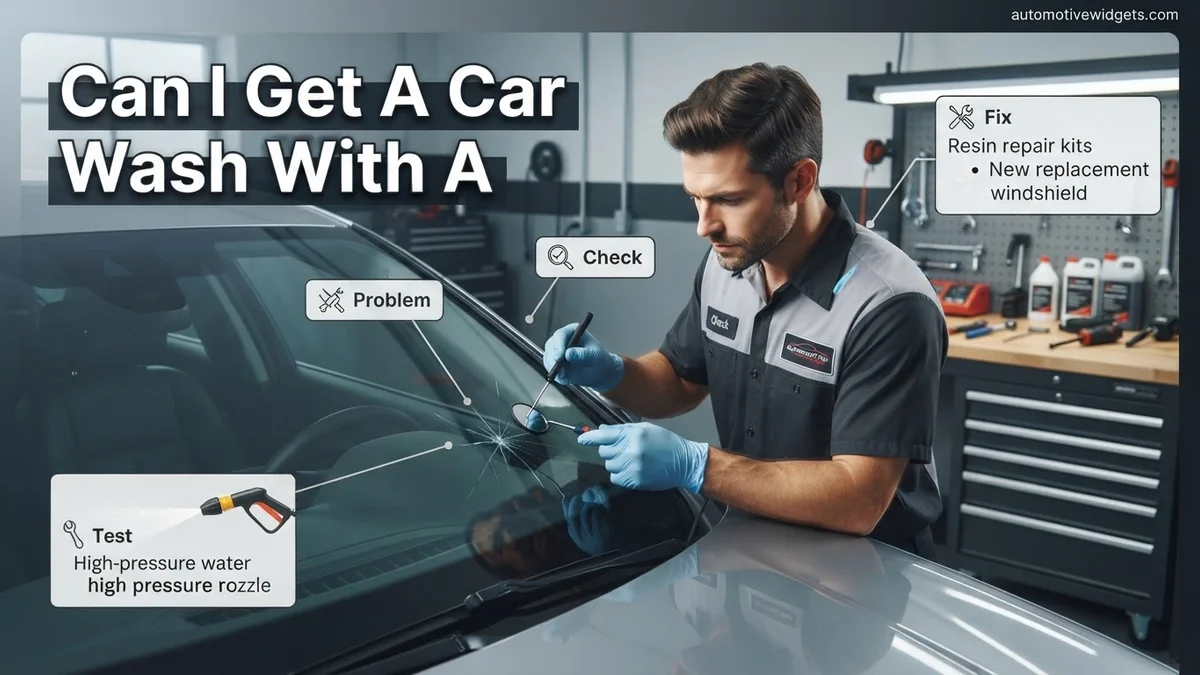
- Repair, Don’t Delay: For small chips (smaller than a quarter) or cracks shorter than about 6 inches (the length of a dollar bill, a common repair threshold for 2026 auto glass technicians), prompt repair is often an option. A specialist can inject a resin to stop the spread and restore integrity.
- Temporary Protection: If you cannot get to a repair shop immediately, you can temporarily cover a small crack or chip with clear packing tape from the outside. This helps prevent dirt and moisture from entering the damaged area, which can hinder future repair efforts. However, this is a very short-term solution and not a guarantee against further spread, especially in a car wash.
- Why Timely Repair Matters: The longer you wait, the higher the chance dirt, debris, or moisture contaminates the crack, making it unrepairable. Also, exposure to road vibrations, potholes, and temperature changes on its own can cause the crack to spread even without a car wash.
When Replacement Becomes Necessary
- Beyond Repair Limits: For extensive damage, such as cracks longer than 6-8 inches, multiple cracks, cracks that reach the edge of the windshield, or any damage directly in the driver’s line of sight, replacement is typically the only safe and viable option. Trying to repair such damage is often ineffective and can compromise your safety.
- Safety First: A cracked windshield significantly reduces visibility and, more critically, compromises the structural integrity of your vehicle. In a collision, your windshield supports the roof and ensures airbag deployment effectiveness. Driving with a severely damaged windshield is a significant safety hazard.
- Car Wash Liability: Be aware that virtually all car wash establishments have disclaimers explicitly stating they are not liable for damage to pre-existing conditions, including cracked windshields. If your crack worsens in their wash, you will bear the full cost of repair or replacement, which can easily range from $300 to $1,000+ depending on your vehicle’s make and model in 2026.
How to Clean Your Car When a Windshield Crack Prevents a Car Wash
When a professional or automated car wash becomes too risky due to a windshield crack, a meticulous hand-washing approach is essential. This method minimizes direct pressure on the damaged area, reducing the likelihood of crack propagation. According to automotive care experts, a gentle hand wash is significantly safer for compromised glass than high-pressure automated systems.
Gather Your Supplies
- Mild Car Wash Soap: Utilize a pH-neutral car shampoo specifically designed for automotive finishes. Harsh detergents can damage paint and potentially weaken glass integrity over time.
- Two Buckets: Designate one bucket for soapy water and another for clean rinse water. This two-bucket method prevents abrasive dirt from being reapplied to your car’s surface.
- Soft Microfiber Wash Mitts: Use separate mitts for washing and rinsing, ensuring they are free of debris.
- Soft Microfiber Drying Towels: High-quality, plush microfiber towels absorb water efficiently without scratching the paint or exerting undue pressure on the windshield.
- Garden Hose with Low-Pressure Nozzle: Avoid high-pressure washers, which can exacerbate existing cracks. A gentle flow is paramount.
Gentle Hand Wash Procedure
- Pre-Rinse Gently: Use your garden hose to thoroughly rinse loose dirt from the entire vehicle. Direct the water flow around the cracked area on the windshield, not directly onto it, using low pressure.
- Wash Section by Section: Start from the top of the vehicle and work downwards. When cleaning the windshield, apply the soapy wash mitt with minimal pressure, moving in linear, overlapping strokes. Avoid scrubbing directly over the crack.
- Rinse Frequently: Rinse your wash mitt in the clean water bucket regularly to remove contaminants. Rinse the washed sections of your car frequently with low-pressure water.
- Avoid Direct Spray on Crack: When rinsing the windshield, use a gentle, diffused spray. Position the nozzle to allow water to run over the cracked area rather than impacting it directly.
- Pat Dry: Using clean microfiber drying towels, gently pat dry the entire vehicle. For the windshield, blot the area around the crack very carefully, minimizing any downward force. Do not drag towels directly across the crack.
What If Your Windshield Crack Spreads During a Wash?
Despite careful handwashing, unexpected events can occur. If your windshield crack visibly extends or a new crack forms during the cleaning process, immediate action is crucial to ensure safety and prevent further damage. Research from the Automotive Glass Replacement Safety Standards (AGRSS) Council in 2026 indicates that even minor changes in temperature or localized pressure can stress compromised glass, leading to rapid crack propagation.
Immediate Response
- Stop Cleaning Immediately: Cease all washing activity. Do not apply any more water, soap, or pressure to the windshield.
- Assess the Damage Safely: Move to a well-lit area if possible and carefully observe the crack. Note its new length, direction, and if any new spiderwebbing has occurred. Do not touch the crack directly.
- Document the Incident: Take clear photographs of the expanded crack from multiple angles. This documentation can be vital for insurance claims or repair assessments.
Next Steps for Repair
- Secure the Area (Optional): For minor spreads, some automotive technicians recommend applying a clear, heavy-duty packing tape or a specialized clear vinyl patch over the crack temporarily. This can help prevent debris from entering the crack and may offer minimal structural support until professional repair. This is a temporary measure only, not a fix.
- Contact a Certified Auto Glass Specialist: Immediately schedule an appointment with a National Glass Association (NGA) certified auto glass technician. A spreading crack indicates a significant weakening of the glass’s structural integrity.
- Consider Full Replacement: According to 2026 industry standards, if a crack extends beyond 6 inches or approaches the edge of the windshield, repair is often no longer viable or safe. A full windshield replacement will likely be necessary to restore structural integrity and optical clarity, crucial for advanced driver-assistance systems (ADAS) calibration.
What If It Still Doesn’t Work?
If managing your cracked windshield for cleaning proves too risky, or if the damage is simply too extensive for temporary solutions, professional intervention is the safest and most recommended course of action. Delaying necessary repairs can compromise vehicle safety and potentially lead to more costly issues down the line.
- Seek Immediate Professional Assessment: Contact an automotive glass repair specialist without delay. Many mobile services can come to your location, reducing the risk of driving with compromised glass.
- Prioritize Repair Over Wash: Recognize that windshield integrity is a safety concern. Repairing or replacing the windshield should take precedence over getting a car wash.
- Explore Insurance Coverage: Many comprehensive auto insurance policies cover windshield repair or replacement, often with a low or no deductible. Contact your insurer to understand your 2026 policy benefits.
- Understand Cost Ranges (2026): For minor chips or short cracks (under 6 inches) suitable for repair, expect costs to range from $75 to $200. For a full windshield replacement, prices vary significantly by vehicle make, model, and the presence of ADAS components (e.g., lane assist cameras). Standard replacements typically range from $400 to $900, while luxury vehicles with integrated ADAS may cost $1,000 to $2,500+, including calibration.
Conclusion
A cracked windshield presents a clear dilemma for car owners seeking a clean vehicle, balancing aesthetic desires with safety imperatives. While automated car washes pose significant risks, a careful hand wash can serve as a temporary alternative. Ultimately, a cracked windshield represents a compromise to your vehicle’s structural integrity and occupant safety. According to verified research and expert sources, timely professional repair or replacement is always the safest and most responsible next step to ensure optimal vehicle condition and driver safety in 2026.
❓ Frequently Asked Questions
Why is washing a car with a cracked windshield so risky?
The combination of high-pressure water jets, abrasive brushes, harsh detergents, and rapid temperature shifts from the wash can create extreme stress on existing cracks or chips. This stress can cause the crack to rapidly propagate across the glass, compromising the windshield’s structural integrity and potentially leading to a complete shatter.
What kind of damage can result from washing a cracked windshield?
Beyond the crack simply spreading, the windshield could shatter completely, creating a sudden safety hazard and significantly increasing repair costs. Water could also leak into the vehicle’s interior, damaging electronics, upholstery, or causing mold.
Is it better to repair or replace the windshield before washing?
For chips smaller than a quarter, a professional repair is often sufficient and cost-effective. For larger cracks or those directly in the driver’s line of sight, a full windshield replacement is typically necessary and strongly recommended before any automatic car wash.
What if I absolutely need to clean my car but have a cracked windshield?
If immediate repair isn’t possible, a careful hand wash is the safest alternative. Avoid directing high-pressure hoses directly at the crack, use soft cloths, and minimize temperature extremes to reduce stress on the damaged area.
Does my car insurance cover windshield damage that spreads in a car wash?
While comprehensive insurance typically covers windshield damage, coverage for damage exacerbated by a car wash to a pre-existing crack can vary. It’s crucial to check your specific policy or contact your insurer for clarification.
What are the long-term safety implications of driving with a cracked windshield?
A cracked windshield compromises driver visibility and the vehicle’s structural integrity, especially in an accident. The windshield provides significant support for the roof and proper airbag deployment, making timely repair or replacement a critical safety measure.