How Long After Resetting Check Engine Light before Emissions Test: Essential Timing Tips
If you’ve just reset your check engine light, you’re probably wondering how long you need to wait before taking your car for an emissions test. You want to be sure your vehicle passes without any surprises.
But the truth is, it’s not as simple as just turning off the light and heading straight to the testing center. Your car’s system needs time to run important checks and make sure everything is working properly. You’ll discover exactly how long to wait and why rushing the process could cost you more than just time.
Keep reading to learn the smart way to prepare your car for a smooth emissions test.
Why The Check Engine Light Matters
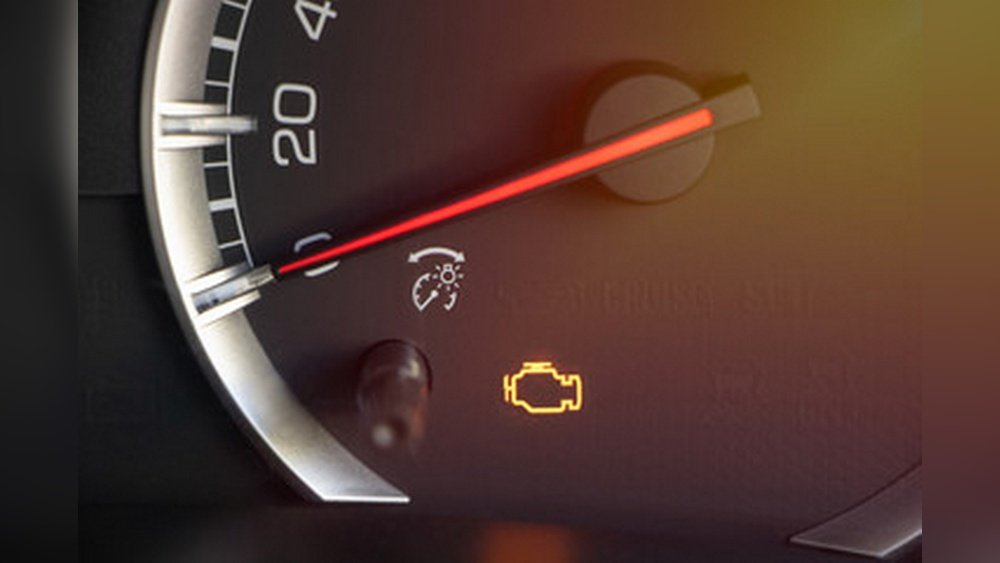
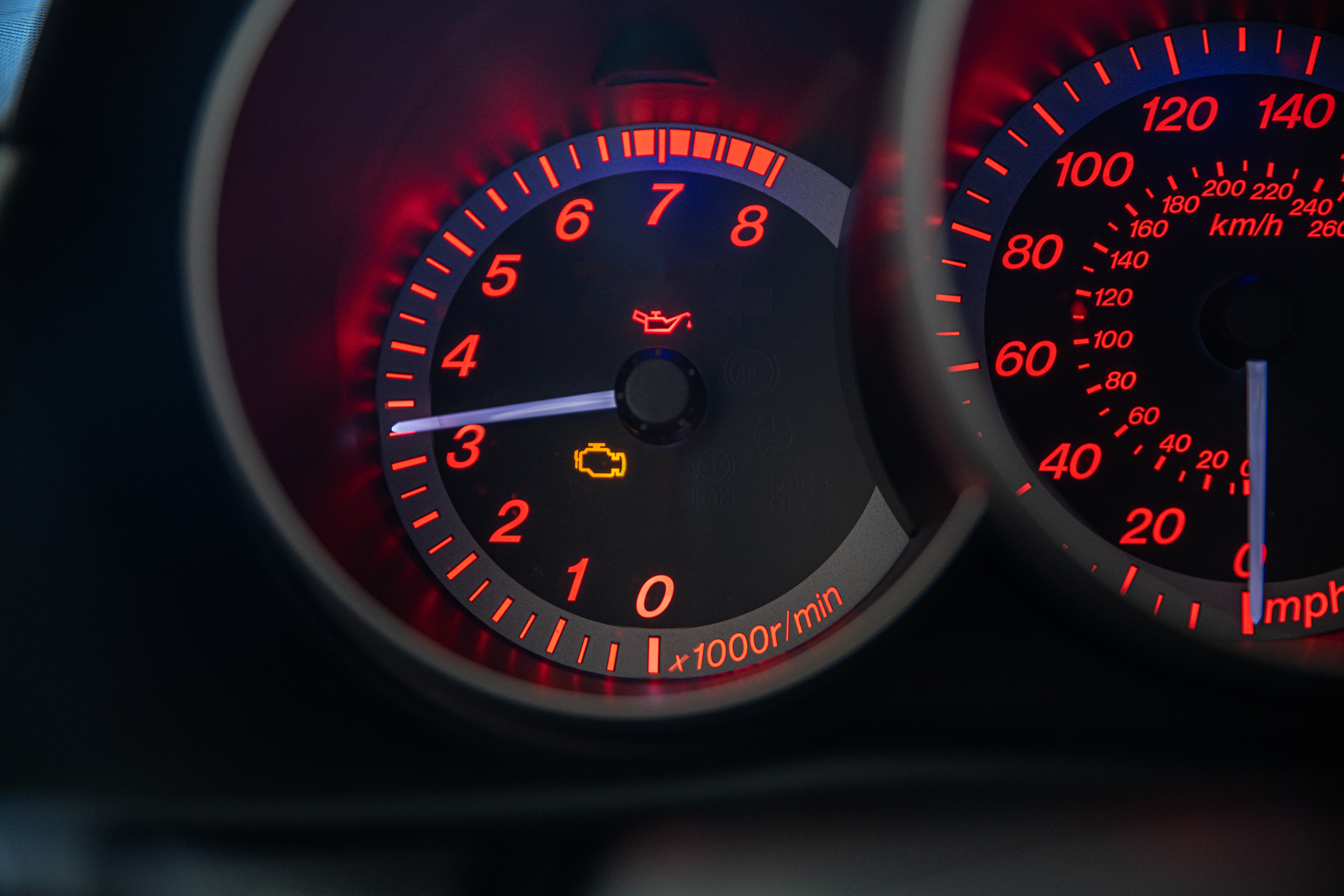
The check engine light signals problems in your vehicle’s engine or emissions system. It helps protect the environment and keeps your car running well. Ignoring this light can cause bigger issues and lead to failing an emissions test.
This light is not just a warning. It tells the car’s computer to monitor key systems. These systems must work correctly for your vehicle to pass emissions checks. A lit check engine light usually means your car is not ready for the test.
The Check Engine Light And Emissions Testing
The check engine light indicates emissions problems that might cause failure. Emissions tests check if your car pollutes too much. If the light is on, the test often fails automatically. The light must be off for a valid test result.
How The Car’s Computer Uses The Check Engine Light
Your car’s computer monitors sensors related to pollution control. It turns on the check engine light when it detects a fault. This fault can affect engine performance and pollution levels. The light stays on until the issue is fixed and the system resets.
Why Resetting The Light Does Not Mean The Problem Is Gone
Resetting the check engine light clears the warning temporarily. The underlying problem may still exist. The car’s computer needs time to verify the repair. It runs tests to confirm the issue is fixed. Without this, the light may turn on again.
Credit: www.autozone.com
Resetting The Check Engine Light
The check engine light warns you about issues in your car’s engine or emissions system. Resetting this light means clearing the error codes stored in the car’s computer. This action turns off the light but does not fix the underlying problem.
Resetting is often done with a scan tool or by disconnecting the battery. This stops the light from showing temporarily. The car’s computer needs to run several tests after reset. These tests verify if the problem is fixed or still exists.
Understanding how resetting works helps prepare for an emissions test. The car must complete these tests before it can pass inspection. The time it takes varies by vehicle and driving conditions.
Methods To Reset The Check Engine Light
One common way to reset the light is using an OBD-II scanner. This tool connects to your car’s diagnostic port. It reads and clears error codes quickly and easily.
Another way is disconnecting the car battery for a few minutes. This cuts power to the computer and clears the codes. The light will turn off after restarting the car.
Some cars allow a reset by turning the ignition on and off several times. Check your vehicle’s manual for specific steps.
Why Resetting Alone Isn’t Enough
Resetting hides the problem but does not fix it. The error code may return if the issue is still present. This can cause your car to fail the emissions test.
The car’s computer needs to monitor systems over time. It runs readiness tests to check emissions controls. These tests must complete before inspection.
Readiness Monitors And Their Role
Readiness monitors are self-checks done by your vehicle. They ensure emissions parts work correctly. After reset, these monitors reset to “not ready.”
Driving your car normally helps these monitors complete. The time depends on how you drive and the car model. Usually, it takes several driving cycles to reset readiness.
Emission tests check these monitors for “ready” status. A “not ready” status can cause test failure. Make sure all monitors are ready before testing.
Drive Cycle Requirements
After resetting the check engine light, the car needs to complete several drive cycles before an emissions test. These cycles allow the vehicle’s system to run checks and update readiness monitors. Usually, this process takes a few days of normal driving.
What Are Drive Cycle Requirements?
Drive cycle requirements are specific steps you must follow to reset your car’s computer. The car’s computer runs tests on different systems during these steps.
These tests check if the engine and emission parts work well. After you reset the check engine light, your car needs time to run these tests again.
How Drive Cycles Affect Emissions Tests
Emissions tests rely on the car’s computer to show clean results. The computer only shows accurate results after completing drive cycles.
If the drive cycle is not finished, the test may fail or be inaccurate. Your car must run through all required steps before the test.
Typical Drive Cycle Steps
Drive cycles usually include starting the engine, idling, and driving at various speeds. These steps help the computer check all systems.
For example, you might drive at steady speeds, accelerate, and stop several times. This gives the car time to test sensors and emission parts.
Time Needed To Complete Drive Cycles
Completing a full drive cycle can take several days of normal driving. Short trips or slow driving may delay the process.
Most vehicles need about 50 to 100 miles of driving after resetting the light. This distance helps complete all the required tests.
Ideal Timing Before Emissions Testing
Resetting the check engine light does not mean your car is ready for an emissions test immediately. The vehicle’s computer system needs time to run self-checks. These checks confirm the engine and emissions systems work correctly. Testing too soon can cause a failed emissions test, even if the problem is fixed.
Understanding the ideal timing helps avoid wasting time and money on retests. It also prevents stress during the inspection process. The car’s onboard diagnostics (OBD) system must complete several “readiness monitors” before the test. These monitors verify that emissions controls function well. The time needed depends on driving habits and vehicle type.
Typical Wait Time After Resetting The Check Engine Light
Most vehicles require driving 50 to 100 miles before all monitors reset. This distance allows the car to complete various tests. These include checks on the catalytic converter, oxygen sensors, and fuel system. Short trips or idling may not trigger all necessary tests. Regular driving on highways and city roads helps the system reset faster.
How Driving Conditions Affect Readiness
Driving conditions impact how quickly the car’s system resets. Long highway drives help complete tests more efficiently. Stop-and-go city driving may take longer for all monitors to set. Cold weather can slow the process because the engine warms up slower. Gentle acceleration and steady speeds assist the system in running checks thoroughly.
Checking Readiness Status Before The Test
Use an OBD-II scanner to check readiness status before the test. This tool shows which monitors are ready and which are not. Many auto parts stores offer free scanning services. This step can prevent surprises at the emissions station. Only take the test when all or most monitors show ready status.
Tips To Pass Emissions After Reset
Passing an emissions test after resetting the check engine light can be tricky. The car’s computer needs time to complete system checks. These checks ensure the engine runs clean and efficiently. Follow these tips to help your car pass the test smoothly.
Drive Your Car Regularly Before The Test
Drive your car for at least a week before the emissions test. This helps the computer run all the necessary checks. Short trips may not complete the process. Aim for longer drives on highways or open roads.
Keep Your Gas Tank Between Quarter And Half Full
A gas tank that is too full or too empty affects emissions. Keep the fuel level between 25% and 50%. This balance helps sensors work properly during the test.
Fix Minor Issues Promptly
Address small engine problems right away. Simple fixes can prevent the check engine light from coming back. A smooth-running engine reduces harmful emissions.
Avoid Resetting The Check Engine Light Right Before Testing
Resetting the light erases important data. The car’s computer needs time to gather new information. Wait several days of normal driving before the test. This improves the chances of passing.

Credit: ervines.com

Credit: www.reddit.com
Frequently Asked Questions
How Long After Resetting Check Engine Light Can I Take Emissions Test?
You should wait at least 24 to 48 hours or 50 to 100 miles of driving. This lets your car’s computer run self-checks before the test.
Why Does The Check Engine Light Affect Emissions Test Results?
The light signals a problem that may increase pollution. If it’s on, your car might fail the emissions test.
Can I Pass Emissions Test Right After Clearing The Check Engine Light?
No, the car needs time to complete system checks. Testing too soon can cause a failed test.
How Many Drive Cycles Are Needed After Resetting Check Engine Light?
Most cars require 3 to 5 drive cycles to reset all monitors. This ensures the system is ready for testing.
What Happens If I Reset The Light And Skip The Drive Cycles?
The car’s computer won’t be ready, likely causing test failure. Complete the drive cycles for accurate emissions results.
Conclusion
Resetting the check engine light does not clear all data instantly. The car needs time to run certain tests again. Usually, it takes a few days of normal driving. This helps the system complete readiness checks for emissions. Testing too soon may cause failure, even if no issues exist.
Patience improves your chances of passing the emissions test. Keep driving calmly and avoid clearing the codes repeatedly. This simple step saves time and stress at the testing station.