What’S Better in the Snow All-Wheel-Drive Or Four-Wheel-Drive: Ultimate Showdown
When winter hits and the roads turn icy, you want to know your vehicle can keep you safe and in control. But if you’re wondering whether all-wheel-drive (AWD) or four-wheel-drive (4WD) is better in the snow, you’re not alone.
Choosing the right system can make a huge difference in how confident you feel behind the wheel—and how well your car handles those slippery conditions. You’ll discover the key differences between AWD and 4WD, and which one suits your needs best when the snow starts falling.
Keep reading to find out which system will give you the edge on winter roads.
Credit: www.consumerreports.org
Awd Vs 4wd Basics
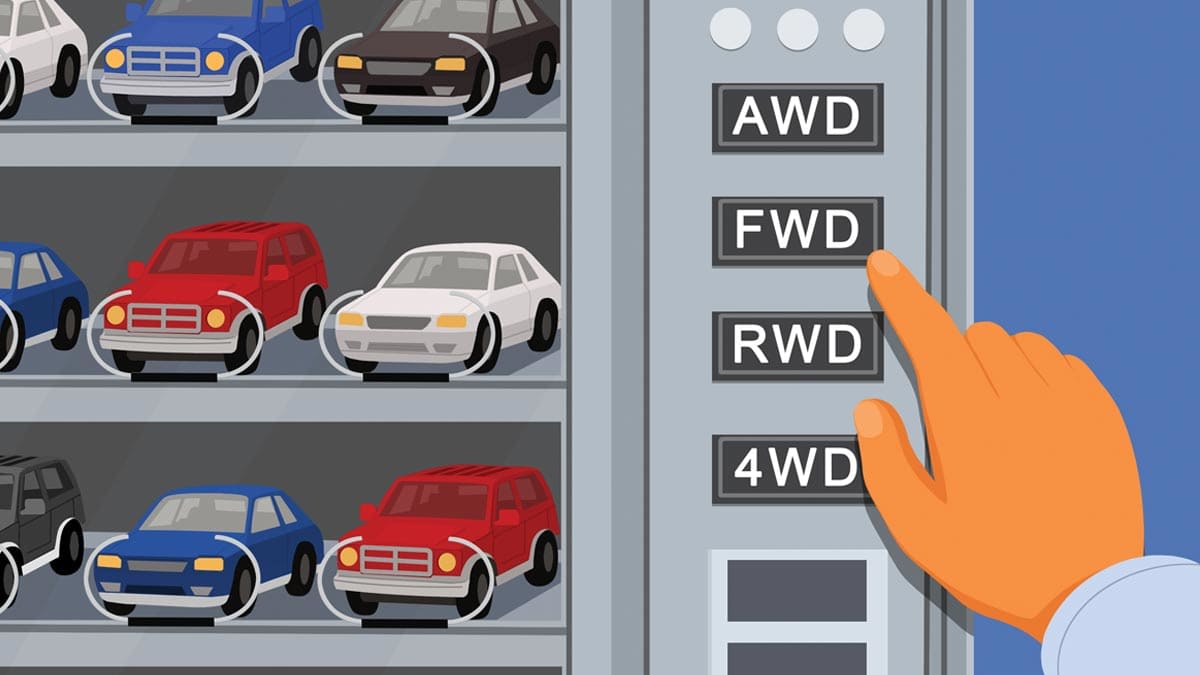
Choosing between all-wheel drive (AWD) and four-wheel drive (4WD) can be confusing. Both systems help vehicles move better in snow. Each one works in a unique way. Understanding their basics can help you decide which suits your needs.
AWD and 4WD send power to all four wheels. This improves traction on slippery surfaces. Yet, they handle power distribution differently. These differences affect how your vehicle performs in snowy conditions.
How Awd Works
AWD uses sensors to monitor wheel traction. It automatically sends power to the wheels with the best grip. This happens without driver input. AWD works all the time, adjusting power between front and rear wheels.
This system is useful for light to moderate snow. It keeps the vehicle stable on wet or icy roads. AWD provides smoother handling and better control. It is common in many cars and crossovers.
How 4wd Works
4WD is usually controlled by the driver. It sends power equally to all four wheels. This helps when driving on deep snow or rough terrain. 4WD often has low and high gear options for different conditions.
It is best for off-road use and heavy snow. 4WD can be turned on or off. This allows better fuel efficiency when extra traction is not needed. Many trucks and SUVs come with 4WD systems.

Credit: www.caranddriver.com
Performance In Snow
Snow can make driving tough. Choosing the right drive system helps a lot. Both all-wheel-drive (AWD) and four-wheel-drive (4WD) have strengths. Understanding their performance in snow is key. It helps pick the best option for safe winter driving.
Traction And Stability
AWD sends power to all wheels all the time. It adjusts power between wheels for better grip. This helps maintain stability on slippery roads. AWD works well on light to moderate snow. It prevents slipping by keeping wheels turning.
4WD usually sends power to all wheels at once. It can be switched on or off. 4WD gives strong traction on deep snow and rough terrain. It locks wheels together to avoid spinning. This is good for off-road snow driving.
Handling On Different Snow Types
AWD handles packed snow and icy patches smoothly. It reacts quickly to changes in road grip. This makes it easier to drive on city streets in winter. AWD helps keep control in mixed snow conditions.
4WD shines in heavy snow and uneven surfaces. It provides extra power and control on hills and trails. 4WD is best for rural or less maintained roads. It struggles less in deep snow but can feel stiff on dry pavement.
Fuel Efficiency And Maintenance
Fuel efficiency and maintenance are key factors when choosing between all-wheel drive (AWD) and four-wheel drive (4WD) for snowy roads. These aspects affect your car’s running costs and reliability during winter. Understanding the differences helps you pick the right system for your needs.
Fuel Consumption Comparison
AWD systems usually use less fuel than 4WD. AWD runs automatically and only powers all wheels when needed. This saves fuel during normal driving. 4WD often drives all wheels all the time, which uses more fuel. The heavier parts in 4WD can also lower gas mileage. For daily snow driving, AWD offers better fuel economy.
Maintenance Costs And Durability
AWD systems have fewer parts to maintain compared to 4WD. This means lower repair costs over time. AWD parts are lighter and less complex. 4WD systems include stronger, heavier parts made for tough off-road use. These parts can wear out faster if used on regular roads. Maintenance on 4WD tends to be more expensive. For snowy city driving, AWD is easier and cheaper to keep up.
Vehicle Types And Use Cases
Choosing between all-wheel drive (AWD) and four-wheel drive (4WD) depends on the vehicle type and how you plan to use it. Both systems help with traction in snowy conditions but serve different purposes. Understanding vehicle types and use cases helps pick the right option for winter driving.
AWD suits daily drivers and light off-road conditions. It works well on city roads and highways covered with snow or ice. AWD systems automatically adjust power to each wheel, making driving safer and easier in changing conditions.
4WD is designed for tougher terrain and heavy snow. It is common in trucks and SUVs built for off-road adventures or work in harsh weather. Drivers can switch 4WD on or off, giving more control in deep snow or slippery trails.
Best Awd Vehicles For Snow
AWD fits well with smaller SUVs and crossovers. Popular models include the Subaru Outback and Toyota RAV4. These vehicles offer good ground clearance and reliable traction. They are great for commuting and light winter trips. AWD keeps you stable on icy city roads and snowy highways.
Best 4wd Vehicles For Snow
4WD is ideal for larger trucks and rugged SUVs. Examples include the Jeep Wrangler and Ford F-150. These vehicles handle deep snow and rough terrain well. They offer high ground clearance and strong power. 4WD is best for off-road driving and severe winter conditions.
Choosing The Right System For You
Picking the right drive system for snow is important. It affects your safety and driving comfort.
Both all-wheel-drive (AWD) and four-wheel-drive (4WD) help with traction. Yet, they work in different ways. Your choice should match your needs and conditions.
Driving Habits And Environment
Think about where you drive the most. AWD suits city roads and light snow well. It adjusts power automatically between wheels.
4WD is better for deep snow and rough roads. It usually needs to be turned on and off by the driver. Use it if you face tough conditions often.
Also, consider how you drive. Do you prefer smooth rides or ready for off-road challenges? Your habits guide your choice.
Budget Considerations
Cost plays a big role in choosing a system. AWD systems are often more expensive than 4WD in the same vehicle class.
Maintenance costs differ, too. 4WD might need more upkeep because of its complex parts. AWD systems usually require less attention.
Think about the initial cost and long-term expenses. Pick a system that fits your budget and driving needs.
Credit: truckclaws.com
Frequently Asked Questions
What Is The Main Difference Between Awd And 4wd?
AWD works automatically and sends power to all wheels all the time. 4WD is often manually controlled and best for rough terrain and deep snow.
Which System Is Safer On Snowy Roads, Awd Or 4wd?
AWD offers better stability and control on slippery roads by adjusting power continuously. 4WD can provide extra traction but may need driver input.
Can Awd Handle Deep Snow Better Than 4wd?
4WD usually handles deep snow better because it delivers power evenly to all wheels. AWD is good for light to moderate snow conditions.
Does Awd Improve Fuel Efficiency Compared To 4wd?
AWD systems tend to be lighter and use less fuel than 4WD systems. 4WD adds extra weight and can reduce fuel economy.
Is Maintenance Cost Higher For Awd Or 4wd Vehicles?
4WD systems often require more maintenance due to complex parts like transfer cases. AWD systems are generally simpler and cheaper to maintain.
Conclusion
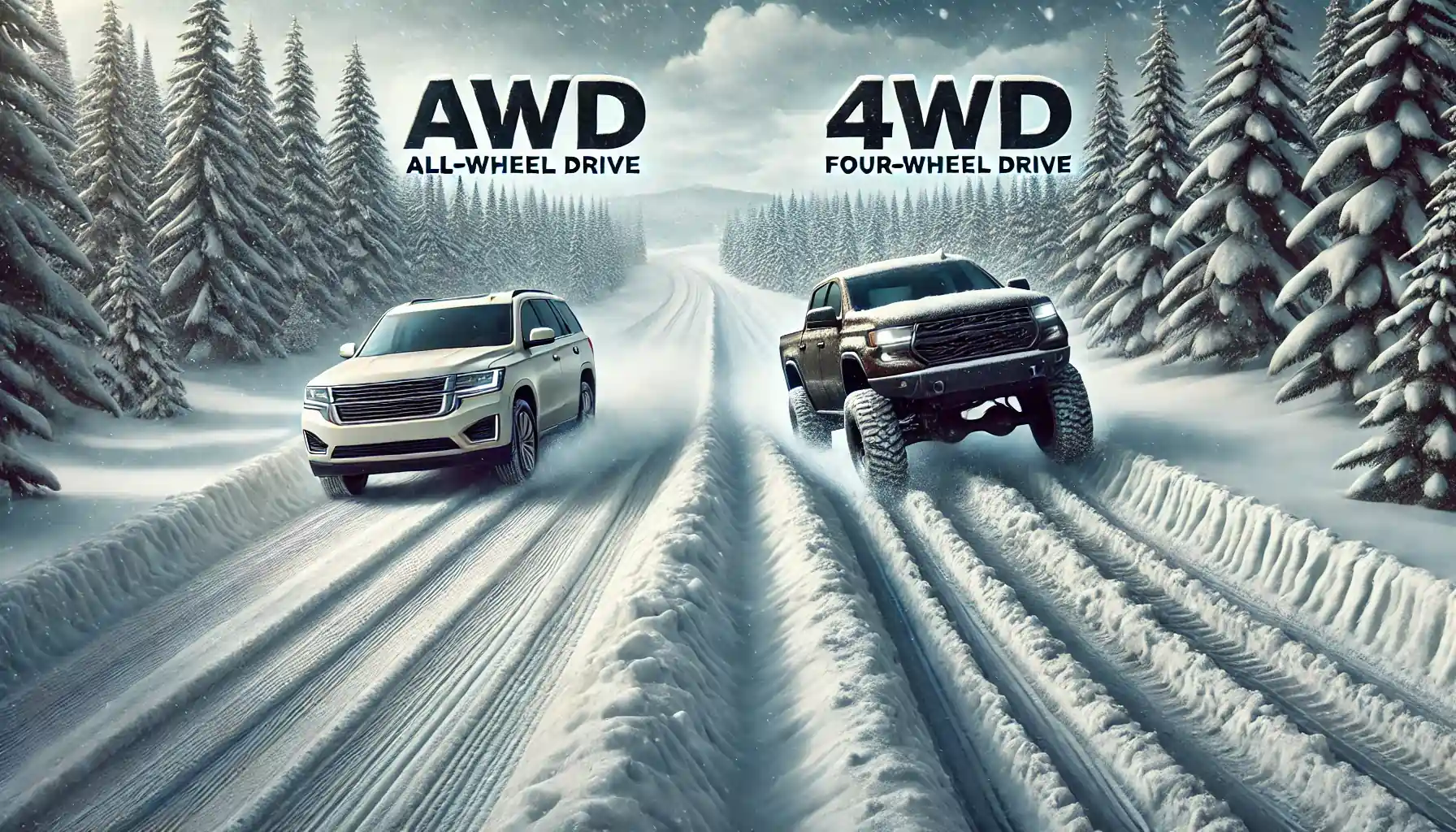
Choosing between all-wheel-drive and four-wheel-drive depends on your needs. AWD works well for everyday winter driving and light snow. 4WD suits rough roads and deep snow better. Both systems improve safety and control in snowy conditions. Think about your usual routes and weather before deciding.
Drive carefully no matter which system you pick. Snowy roads demand attention and caution from every driver. Safety always comes first.