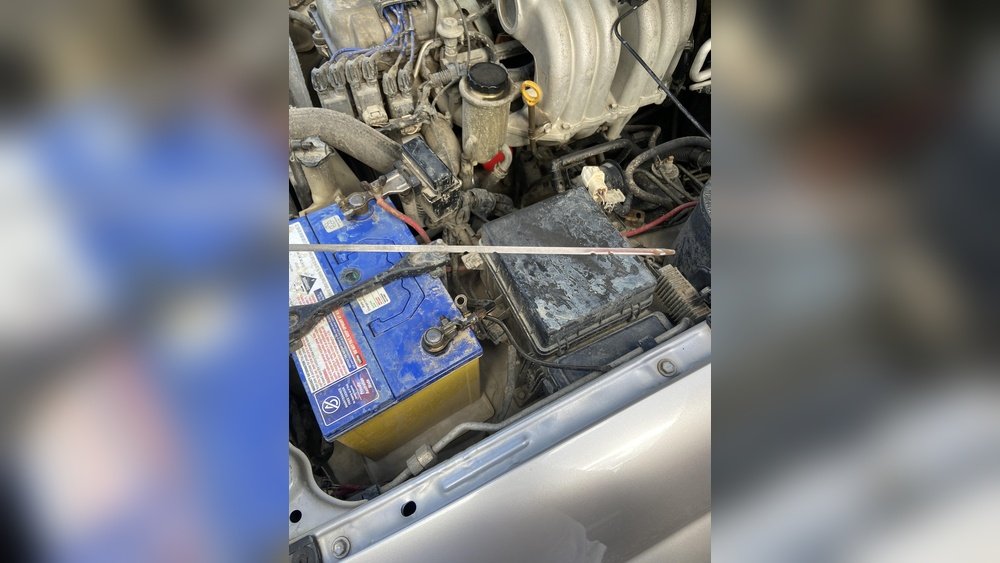
Do You Check the Transmission Fluid With the Engine Running? Essential Tips
Have you ever wondered if you should check your transmission fluid with the engine running? It’s a simple question, but the answer can save you from costly repairs and keep your car running smoothly.
Knowing the right way to check your transmission fluid protects your vehicle and gives you peace of mind on the road. Keep reading, and you’ll learn exactly how to do it—and why it matters for your car’s health. Don’t miss out on this easy tip that could save you time and money!

Credit: www.youtube.com
When To Check Transmission Fluid
Knowing the right time to check your transmission fluid helps keep your vehicle running smoothly. Checking it at the wrong time may give false readings. Understanding the difference between a cold and warm engine matters. Also, knowing whether the engine should be running or off is important.
Cold Vs. Warm Engine
Transmission fluid changes with temperature. When the engine is cold, the fluid is thicker and may not flow properly. Checking fluid in a cold state might show a low level. A warm engine means the fluid is thinner and flows better. This gives a more accurate reading. Many car makers recommend checking fluid after driving for a few minutes. This warms up the transmission fluid to the correct temperature.
Importance Of Engine Running
Transmission fluid circulates only when the engine runs. The fluid moves through the system to lubricate and cool parts. Checking fluid with the engine off can cause wrong level readings. The fluid might settle in the pan and show low levels. Most vehicles require the engine to be running and warmed up. This condition ensures the fluid level is correct and stable. Always follow your owner’s manual for the best method.
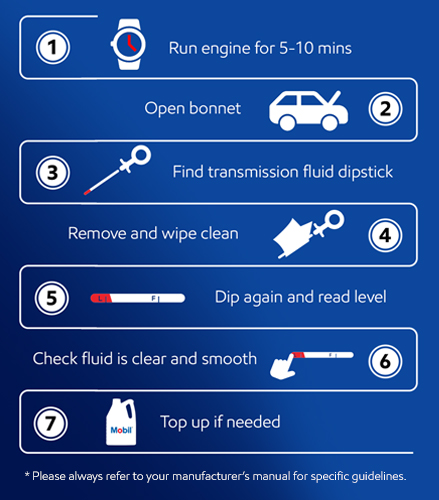
Credit: www.mobil.co.uk
How To Check Transmission Fluid
Checking the transmission fluid is key to keeping your car running smoothly. This fluid helps the transmission shift gears and protects it from wear. Knowing how to check the fluid can save you from costly repairs. The process is simple and takes only a few minutes.
Locating The Dipstick
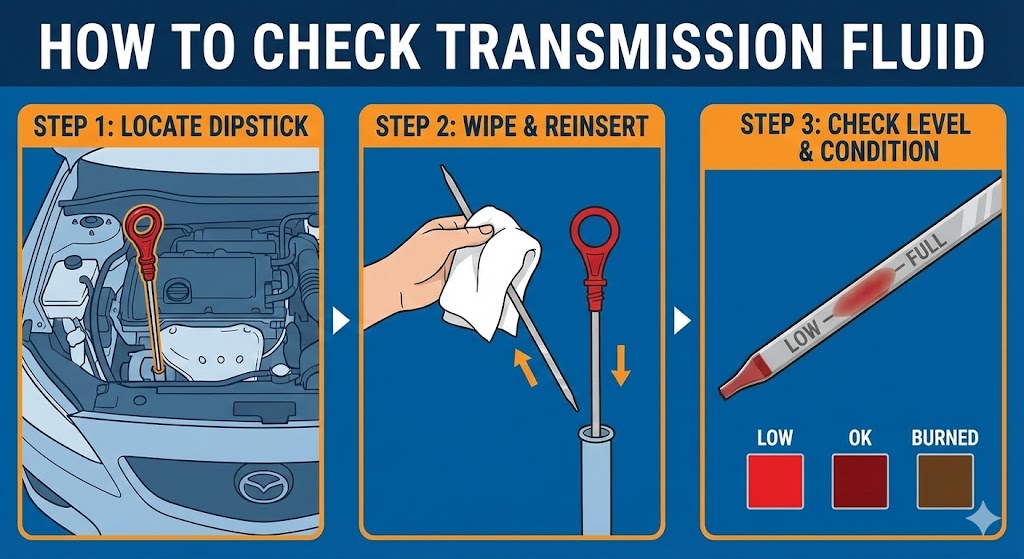
First, find the transmission fluid dipstick. It usually has a bright handle, often red or yellow. Look near the back of the engine or close to the firewall. Some cars have two dipsticks, so check your owner’s manual to be sure. If your car has no dipstick, it may have a sealed transmission and needs a mechanic to check the fluid.
Step-by-step Fluid Check
Start the engine and let it warm up for a few minutes. Keep the car in park and the parking brake on. Pull out the transmission dipstick carefully. Wipe it clean with a cloth or paper towel.
Push the dipstick back in fully, then pull it out again. Check the fluid level against the marks on the stick. The fluid should be between the “Full” and “Add” marks. Look at the fluid color too. It should be bright red or pink. Dark or burnt-smelling fluid means it needs changing.
After checking, put the dipstick back in securely. Check the fluid regularly to keep your transmission in good shape.
Signs Of Low Or Dirty Fluid
Transmission fluid is key to keeping your car running smoothly. Low or dirty fluid can cause serious problems. Knowing the signs helps you act early. This section explains what to watch for in fluid color, smell, and how it affects your transmission.
Color And Smell Indicators
Good transmission fluid is bright red and clear. Dark brown or black fluid means it is dirty. Cloudy or thick fluid also signals trouble. A burnt smell shows the fluid is overheated. These signs mean the fluid needs changing or topping up soon.
Impact On Transmission Performance
Low or dirty fluid can cause rough shifting. Your car may hesitate or slip when changing gears. You might hear strange noises from the transmission. Poor fluid quality can lead to overheating. This damages transmission parts and costs more to fix.
Credit: www.marinmazda.net
Maintenance Tips For Transmission Health
Keeping your transmission in good shape helps your car run smoothly. Regular care can prevent costly repairs. Simple checks and timely actions keep the transmission healthy and strong.
Here are key maintenance tips for your transmission health.
Regular Fluid Changes
Transmission fluid lubricates and cools your transmission parts. Over time, the fluid gets dirty or loses its strength. Changing the fluid regularly keeps the transmission working well. Check your owner’s manual for the right schedule. Clean fluid helps avoid slipping gears and overheating.
When To Seek Professional Help
Some problems need a mechanic’s attention. Strange noises, slipping gears, or delayed shifting are warning signs. If the transmission fluid is dark or smells burnt, get help fast. A professional can find hidden issues and fix them early. Quick action saves money and stress later.
Frequently Asked Questions
Should Transmission Fluid Be Checked With Engine Running?
Yes, most vehicles require the engine to be running to check transmission fluid. This ensures accurate fluid temperature and level readings.
Why Is Engine Running Important For Fluid Level Check?
The engine running warms the fluid, making it expand to the proper level. Checking cold fluid can give a false low reading.
How Often Should Transmission Fluid Be Checked?
Check transmission fluid every 30,000 to 60,000 miles or as your owner’s manual suggests. Regular checks help prevent transmission problems.
Can Transmission Fluid Be Checked With Engine Off?
Usually, no. Checking with the engine off may not show the correct fluid level or condition, especially in automatic transmissions.
What Signs Show Low Transmission Fluid?
Slipping gears, delayed shifts, or strange noises may signal low fluid. Checking fluid level and condition helps catch issues early.
Conclusion
Checking transmission fluid with the engine running is important. It helps you see the true fluid level. Always follow your car’s manual for the right steps. Be careful to avoid burns or spills. Regular checks keep your transmission healthy and avoid costly repairs.
A small effort now saves you headaches later. Keep your car running smooth and safe. Simple habits protect your vehicle better than you think. Stay safe and check often.