Can You Turn off the Tire Pressure Monitoring System? Essential Facts
Have you ever wondered if you can turn off the Tire Pressure Monitoring System (TPMS) in your car? Maybe the warning light keeps blinking, and you’re not sure why.
Or perhaps you’re tired of the constant alerts and want to know if it’s possible to silence them. Understanding how TPMS works and whether you can disable it is important for your safety and your vehicle’s performance. Keep reading to find out what you need to know before making any changes to your tire pressure system.
How Tire Pressure Monitoring Systems Work
Tire Pressure Monitoring Systems check air levels inside tires using sensors. Some cars let you turn the system off, but it is not recommended. The system helps keep you safe by alerting low tire pressure.
Tire Pressure Monitoring Systems (TPMS) keep track of your tire pressure. They alert you if pressure drops too low. This helps prevent accidents and improves fuel efficiency.
TPMS uses sensors inside each tire. These sensors measure the air pressure constantly. The data is sent to the car’s computer system.
If the pressure falls below a safe level, the system triggers a warning light. This lets you know that a tire needs air. Some systems show the exact pressure on the dashboard.
Direct Tpms Sensors
Direct TPMS sensors are inside each tire, attached to the valve stem. They measure tire pressure in real time. The sensors send wireless signals to the car’s receiver.
These sensors also track temperature and other data. They provide accurate and quick alerts. The downside is that sensors need battery power, which can wear out.
Indirect Tpms Sensors
Indirect TPMS does not use physical sensors in tires. It works by monitoring wheel speed through the ABS system. Low tire pressure causes the affected tire to rotate faster.
The system compares wheel speeds and detects pressure differences. It is less precise but cheaper and easier to maintain. Indirect TPMS does not need batteries in the tires.
System Alerts And Maintenance
When a tire loses air, the system alerts the driver with a dashboard light. Ignoring this warning can cause poor handling and tire damage. Regular tire checks and proper inflation are crucial.
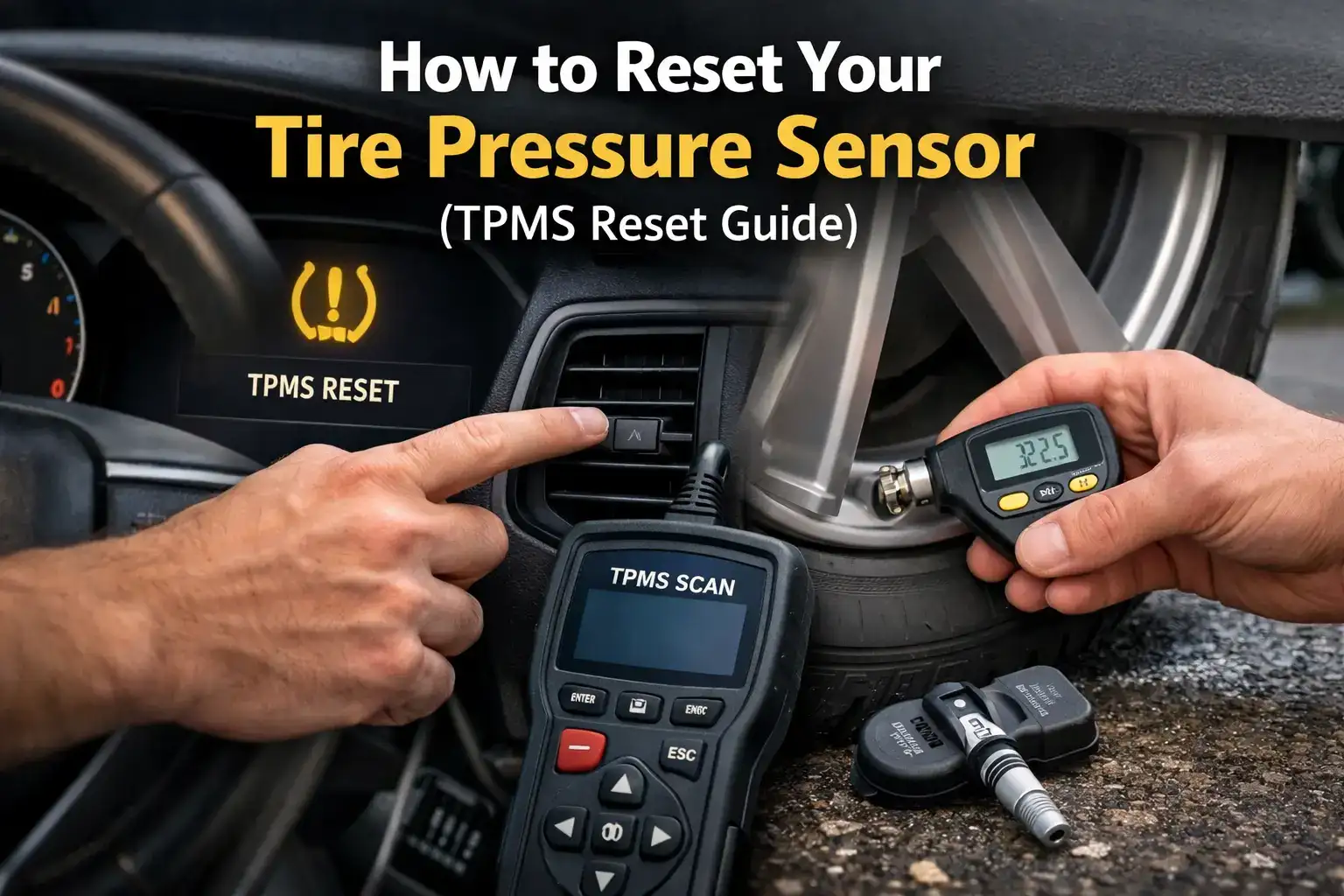
TPMS sensors may need recalibration after tire changes or rotations. Some cars require manual reset through the vehicle’s menu. Keeping the system functional ensures safe driving conditions.
Credit: www.starlingbuickgmcstuart.com
Reasons To Disable The Tpms
Some drivers choose to disable the Tire Pressure Monitoring System due to constant false alerts. Others find it distracting or prefer manual tire checks. Still, it’s important to weigh safety risks before turning it off.
Why Some Drivers Choose To Disable The Tpms
The Tire Pressure Monitoring System (TPMS) helps keep tires properly inflated. It alerts drivers when tire pressure is low. Some drivers find the system useful for safety. Others want to disable it for specific reasons.
Disabling the TPMS is not common but happens in certain cases. Understanding these reasons helps to see why some drivers turn it off.
False Alerts And Annoying Warnings
TPMS can sometimes give false warnings. Sensors may fail or become inaccurate. This leads to constant alerts even if tires are fine. These false warnings can distract and annoy drivers.
Some drivers disable TPMS to stop these frequent alerts. They prefer to check tire pressure manually instead.
Using Non-standard Tires Or Wheels
Changing tires or wheels can cause TPMS errors. Some aftermarket tires do not work well with TPMS sensors. This mismatch triggers warning lights on the dashboard.
Disabling TPMS can avoid these false error messages. It allows drivers to use custom tires without system interruptions.
Cost And Maintenance Concerns
TPMS sensors need batteries and sometimes replacement. Repairing or replacing sensors can be costly. Some drivers want to avoid these expenses.
Turning off TPMS removes the need to maintain sensors. This can save money on repairs and replacements.
Temporary Situations Like Winter Tires
Some drivers install winter tires without TPMS sensors. The system may trigger warnings during this time. Disabling TPMS temporarily solves this problem.
This is a short-term reason to turn off the system. Drivers often reactivate TPMS after changing tires back.
Potential Risks Of Turning Off Tpms
The Tire Pressure Monitoring System (TPMS) plays an important role in vehicle safety. Turning it off might seem like a quick fix for annoying alerts. This choice carries risks that can affect your driving and safety.
TPMS warns you about low tire pressure. Without it, you may not notice problems until they become serious. This can lead to accidents or costly damage.
Increased Risk Of Tire Blowouts
Low tire pressure can cause tires to overheat. Overheated tires can blow out suddenly. This creates danger for the driver and others on the road. TPMS helps prevent this by alerting you early.
Poor Fuel Efficiency
Under-inflated tires use more fuel. This means your car uses more gas and costs more to drive. TPMS helps keep tires properly inflated to save fuel. Turning it off removes this helpful reminder.
Uneven Tire Wear
Low pressure causes tires to wear unevenly. Uneven wear shortens tire life and hurts performance. TPMS alerts allow you to fix pressure issues early. Without it, tires may wear out faster.
Reduced Vehicle Handling And Safety
Proper tire pressure is key for good handling. Under-inflated tires reduce traction and control. This makes driving dangerous, especially in bad weather. TPMS supports safer driving by keeping tire pressure in check.
Steps To Temporarily Disable Tpms
Temporarily disabling the Tire Pressure Monitoring System (TPMS) may help during certain situations. For example, while using spare tires or when sensors show errors. Follow clear steps to turn off TPMS safely and restore it later.
Locate The Tpms Reset Button
Look for the TPMS reset button inside your car. It is often under the dashboard or near the steering wheel. Some cars place it inside the glove box or center console. Check your owner’s manual if unsure.
Turn On The Ignition
Switch the ignition to the “on” position without starting the engine. This powers the TPMS system and prepares it for reset. Keep the car in park and avoid turning on any accessories.
Press And Hold The Reset Button
Hold the TPMS reset button for about 3 to 5 seconds. The TPMS light on the dashboard will blink or turn off. Release the button once the light changes. This signals the system is temporarily disabled.
Drive The Vehicle
Drive your car at 25 mph or higher for 10 to 15 minutes. This lets the system recalibrate and recognize tire pressure changes. The TPMS light may turn off completely after this drive.
Reactivate Tpms Later
To turn TPMS back on, press and hold the reset button again. Or follow your car’s specific instructions to reactivate the sensors. Keeping TPMS active helps maintain safe tire pressure and vehicle performance.
Legal And Safety Considerations
The Tire Pressure Monitoring System (TPMS) plays a vital role in vehicle safety. It alerts drivers when tire pressure is too low. This helps prevent accidents and improves fuel efficiency. But some ask if they can turn off this system. Understanding the legal and safety risks is important before making any changes.
Disabling TPMS might seem convenient. Yet it can cause serious safety problems. Low tire pressure affects vehicle handling and braking. The system warns drivers early. Without it, tire damage or blowouts may go unnoticed. This increases the risk of crashes.
Legal Restrictions On Disabling Tpms
Many states require TPMS by law. Cars made after 2007 usually must have it active. Turning off or tampering with the system may break these laws. Fines or penalties can result. Law enforcement can notice if the TPMS light is off or disabled.
Safety Risks Of Turning Off Tpms
TPMS helps avoid dangerous driving conditions. It alerts for underinflated tires that reduce grip. This can cause loss of control, especially in bad weather. Without TPMS, drivers lose valuable safety warnings. The risk of accidents goes up significantly.
Impact On Vehicle Warranty And Insurance
Disabling TPMS may void your car warranty. Manufacturers expect safety systems to work properly. Insurance claims might be denied after accidents if TPMS was off. Insurers see this as neglecting vehicle maintenance. This could lead to higher costs for the driver.

Credit: www.youtube.com
Alternatives To Disabling Tpms
The Tire Pressure Monitoring System (TPMS) warns drivers about low tire pressure. Disabling it might seem tempting, but it reduces safety. Several alternatives exist to avoid turning off the system. These options keep you safe and maintain your vehicle’s functionality.
Check And Maintain Proper Tire Pressure
Regularly check your tire pressure with a reliable gauge. Inflate tires to the recommended level in your car manual. Proper pressure improves fuel efficiency and tire life. It also prevents the TPMS warning from appearing unnecessarily.
Reset The Tpms After Tire Changes
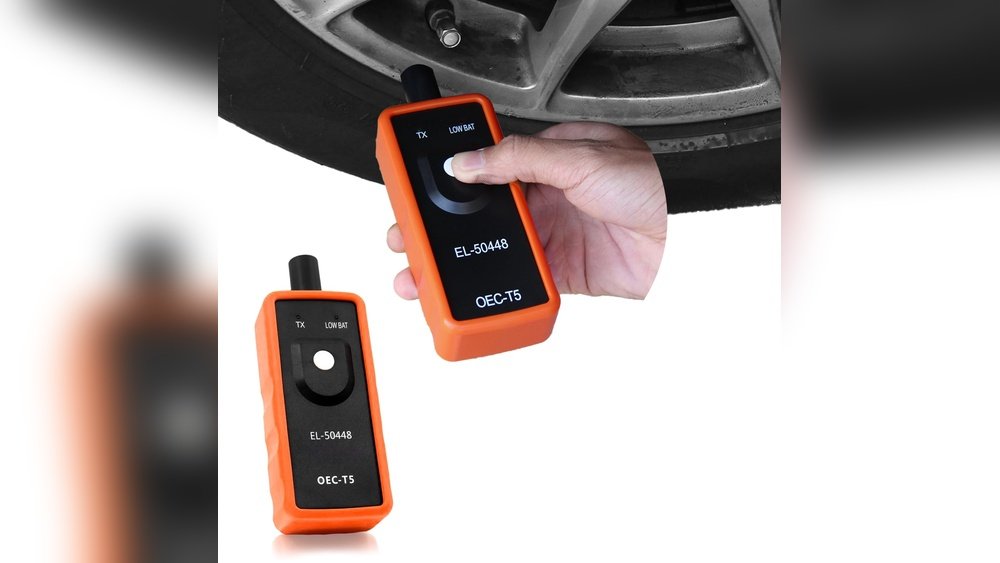
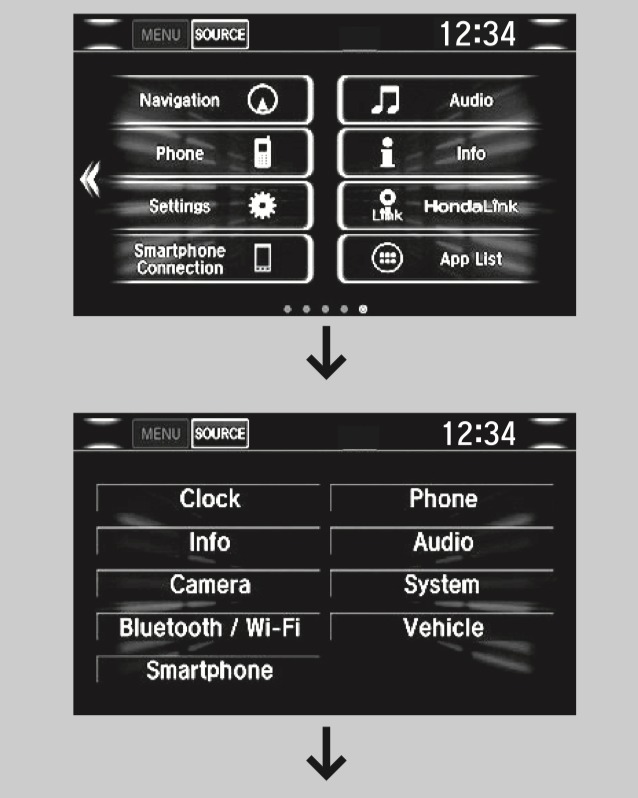
After replacing or rotating tires, reset the TPMS correctly. Many cars have a reset button or require a specific procedure. This action clears false warnings and keeps the system accurate. Follow the instructions in your vehicle manual for best results.
Use Tpms-compatible Tires And Sensors
Choose tires and sensors that work with your vehicle’s TPMS. Some aftermarket products cause errors or false alerts. Using compatible parts ensures the system functions properly. It also avoids the need to disable the TPMS.
Visit A Professional For Sensor Repairs
Faulty TPMS sensors cause warning lights to stay on. Visit a mechanic to diagnose and fix sensor issues. Replacing or repairing sensors restores system accuracy. Professionals can also recalibrate the system if needed.
Understand Tpms Warning Light Signals
Learn what different TPMS warning lights mean. Some indicate tire pressure, others sensor problems. Knowing the signals helps you respond correctly. You can fix issues quickly without turning off the system.
Credit: www.geraldhondacountryside.com
Frequently Asked Questions
Can You Turn Off The Tire Pressure Monitoring System?
Yes, some vehicles allow you to disable the Tire Pressure Monitoring System (TPMS). This is usually done through the car’s settings or by disconnecting the sensor. But turning it off can reduce safety by hiding low tire pressure warnings.
Why Would Someone Want To Disable Tpms?
Drivers might disable TPMS if the system malfunctions or triggers false alerts. It can also happen if aftermarket tires or sensors are used. Still, it’s best to fix the issue rather than turn off the system.
Is It Legal To Turn Off The Tpms?
In many places, disabling TPMS is illegal because it affects vehicle safety. Laws require working TPMS to help prevent accidents caused by low tire pressure. Check local rules before turning off this system.
How Do You Reset The Tpms After Tire Changes?
Most cars have a reset button or menu option to recalibrate TPMS after changing tires. Sometimes, driving for a few miles at a steady speed also resets the sensors. Consult your vehicle manual for exact instructions.
What Happens If The Tpms Warning Light Stays On?
If the TPMS light stays on, it usually means low tire pressure or a sensor problem. Check your tires and inflate them to the recommended pressure. If the light remains, a sensor may need repair or replacement.
Conclusion
Turning off the Tire Pressure Monitoring System is possible but not always wise. This system helps keep your tires safe and your car running well. Ignoring tire pressure can lead to accidents or damage. Use the system as a helpful tool, not a hassle.
Stay alert and check your tires often. Safety should always come first on the road.