What’S the Difference between a Long Block And Short Block: Key Insights
Are you confused about the terms “long block” and “short block” when it comes to engines? You’re not alone.
If you’re working on your car or just trying to understand how engines are put together, knowing the difference can save you time and money. This simple guide will break down what each term means and why it matters for your next repair or upgrade.
Keep reading, and you’ll feel confident making the right choice for your engine needs.
Credit: www.thedrive.com
Long Block Components
A long block is a more complete engine assembly. It includes many key parts already put together. This makes it easier to install and saves time.
Understanding the main parts helps you see why it costs more than a short block. These parts work together for the engine to run properly.
Engine Block And Cylinder Head
The engine block is the main structure of the engine. It holds the cylinders where the pistons move up and down. The block is strong and heavy.
The cylinder head sits on top of the engine block. It closes the cylinders at the top and contains parts like valves and spark plugs. The head controls air and fuel flow.
Included Parts And Assembly
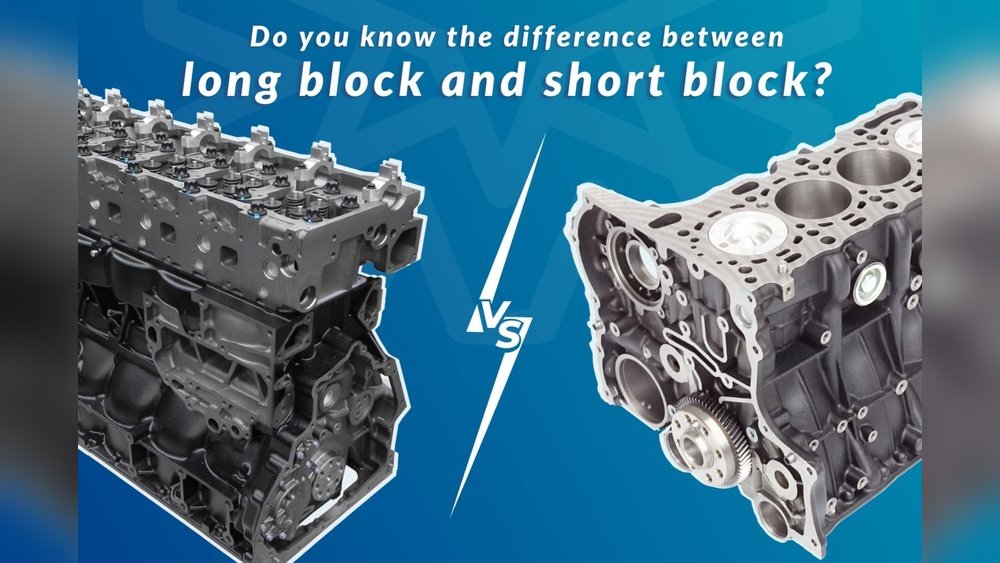
A long block includes the engine block and cylinder head already assembled. It also has the camshaft, valves, and timing components installed.
Many internal parts like pistons, connecting rods, and crankshaft come installed. This means less work to get the engine ready.
The assembly is tested for fit and function. This reduces the chance of errors during installation or damage to parts.
Credit: www.acmonedero.com
Short Block Components
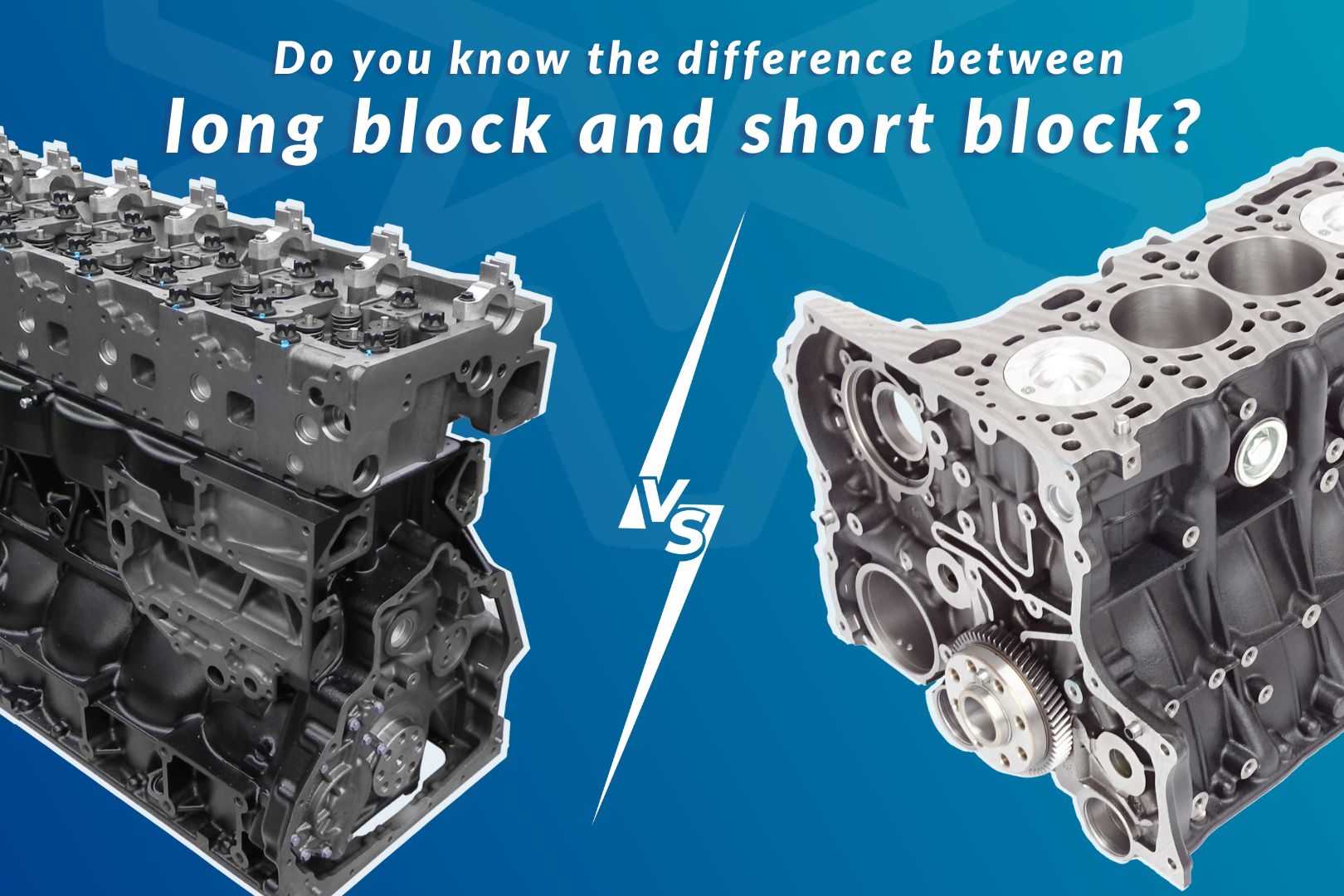
Short blocks include essential engine parts like the block, crankshaft, and pistons. Long blocks add cylinder heads and valve train components. The main difference is the number of parts included, affecting installation and cost.
Engine Block Essentials
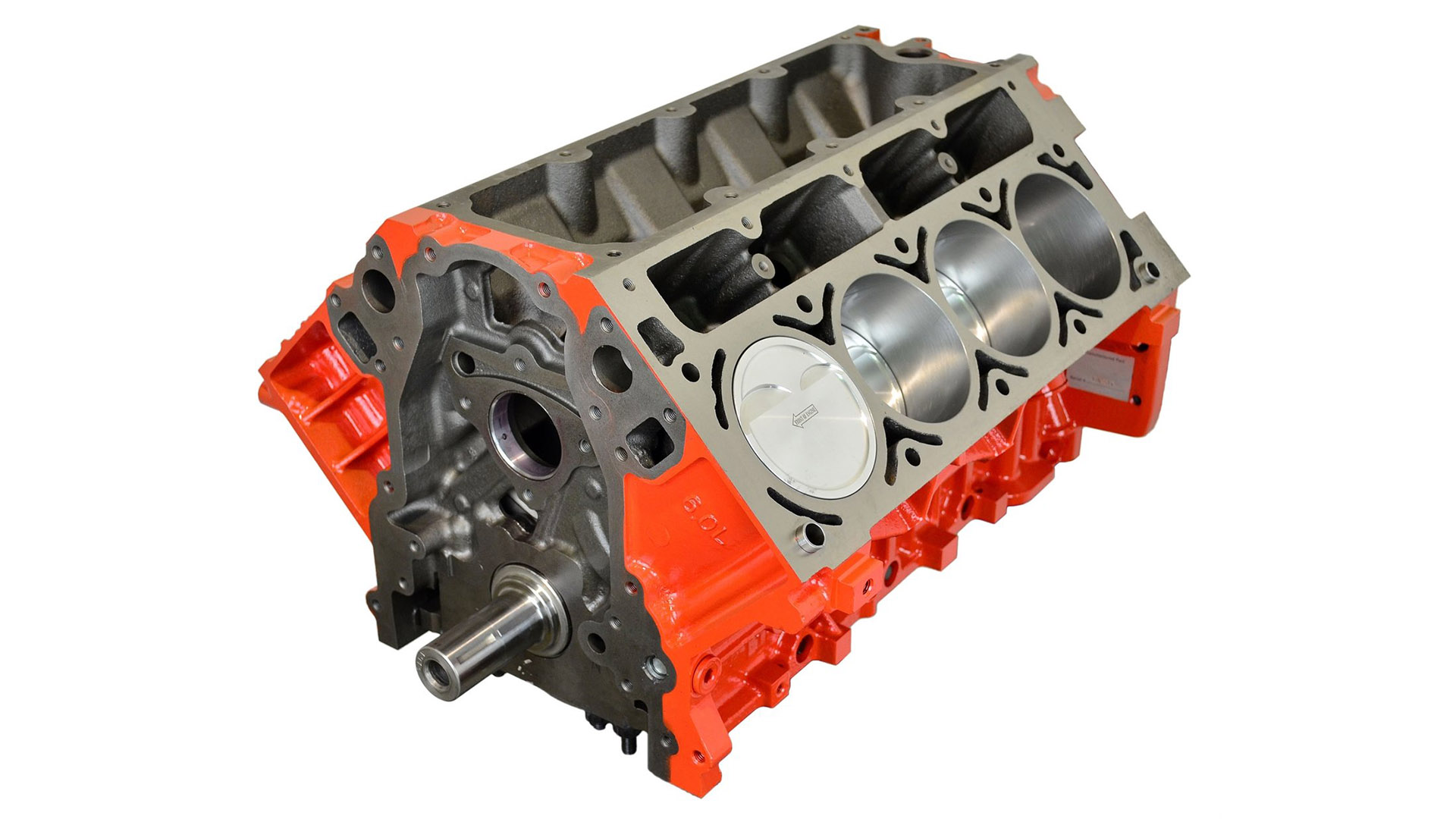
A short block includes the core parts of an engine. It has the engine block itself, which forms the main structure. Inside, you find the cylinders where the pistons move up and down. The crankshaft is also part of the short block. It changes the pistons’ motion into rotational energy. Connecting rods link the pistons to the crankshaft. The camshaft may or may not be included depending on the engine type.
These components work together to create the engine’s basic mechanical function. The short block is a key part for many engine rebuilds and repairs.
Parts Excluded From Short Block
The short block does not include some major parts. Cylinder heads are not part of the short block. These contain valves and spark plugs, vital for the combustion process. The oil pan, which holds engine oil, is also excluded. Other missing parts include the timing chain or belt, intake and exhaust manifolds, and the fuel system. These parts are found in a long block or complete engine assembly.
The short block focuses only on the lower engine parts. It leaves out components needed for air, fuel, and exhaust management.
Performance And Cost Comparison
Choosing between a long block and a short block affects both cost and performance. Each type offers distinct benefits and drawbacks. Understanding these differences helps you make a smart choice for your engine repair or upgrade.
Repair And Replacement Costs
A short block usually costs less than a long block. It includes the engine block, pistons, and crankshaft only. You must reuse parts like the cylinder head and valve train from your old engine. This can lower initial expenses but may increase labor costs.
A long block comes with more parts assembled, including the cylinder head and valve train. It costs more upfront but reduces labor time. This option may save money on repairs over time by providing more new components.
Impact On Engine Performance
A long block can improve engine performance more than a short block. It replaces more worn parts, leading to better reliability and power. The new cylinder head helps optimize combustion efficiency.
A short block rebuilds only the lower engine parts. Performance gains depend on the condition of reused parts. It may not offer as much improvement but still restores basic engine function.
Choosing Between Long And Short Blocks
Choosing between a long block and a short block is important for car repairs or engine swaps. Each type fits different needs and budgets. Knowing when to choose one over the other helps you save time and money. It also ensures your engine works well after installation.
Both long and short blocks include key engine parts. But they differ in what parts come assembled. This difference affects how much work you need to do and how much you spend. Understanding these details helps you pick the right engine block.
When To Opt For A Long Block
Choose a long block if you want a nearly complete engine. It includes the cylinder heads, valves, and camshaft. This saves time because most assembly is done. A long block is good for engines with serious damage. It reduces the chance of missing parts during rebuild.
Long blocks fit well when you have worn or broken components. They help restore engine performance faster. Also, long blocks are useful if you want fewer errors. The factory assembly means parts fit together correctly. This can lower repair risks and improve reliability.
Situations For Short Block Use
Short blocks contain the engine’s bottom half only. This includes the block, crankshaft, and pistons. Choose a short block if your cylinder heads are still good. It saves money because you reuse parts you do not need to replace.
Short blocks are ideal for engines with good top-end parts. They allow you to keep custom or upgraded cylinder heads. This option gives more control over engine rebuilds. It also suits those with mechanical skills or a trusted mechanic.
Use a short block when you want to rebuild the engine yourself. It requires more work but costs less. This option is best for engines with minor damage or wear inside.

Credit: www.carparts.com
Frequently Asked Questions
What Is A Long Block Engine?
A long block engine includes the engine block plus the cylinder head, camshaft, and valvetrain. It comes mostly assembled, ready for installation.
How Does A Short Block Differ From A Long Block?
A short block is mainly the engine block with pistons and crankshaft. It lacks cylinder heads and other top parts.
When Should I Choose A Long Block Over A Short Block?
Choose a long block for easier installation and fewer parts to buy. It’s ideal if your cylinder head is damaged.
Can A Short Block Save Money Compared To A Long Block?
Short blocks usually cost less but need more parts and labor. This can increase overall repair time and expenses.
Are Long Blocks Better For Engine Rebuilds?
Long blocks simplify rebuilding by including more components pre-assembled. They reduce assembly errors and save time during the rebuild.
Conclusion
Understanding the difference between a long block and a short block helps in choosing the right engine part. A long block includes more components like the cylinder head. A short block has only the engine block and some internal parts.
Knowing this saves money and time during repairs. It also helps in planning your engine rebuild or replacement. Now, you can make better decisions for your vehicle’s engine needs. Simple knowledge, big impact.