What Happens If You Shift to Neutral While Driving Automatic: Risks Explained
Have you ever wondered what actually happens when you shift your automatic car into neutral while driving? It might seem like a simple move, but it can have surprising effects on your vehicle and your safety.
Whether you’re trying to save fuel, avoid wear and tear, or just curious, understanding this action is important. Keep reading to discover the truth behind shifting to neutral on the road and what you should really do to keep your car running smoothly and you safe.

Credit: www.youtube.com
How Automatic Transmissions Work
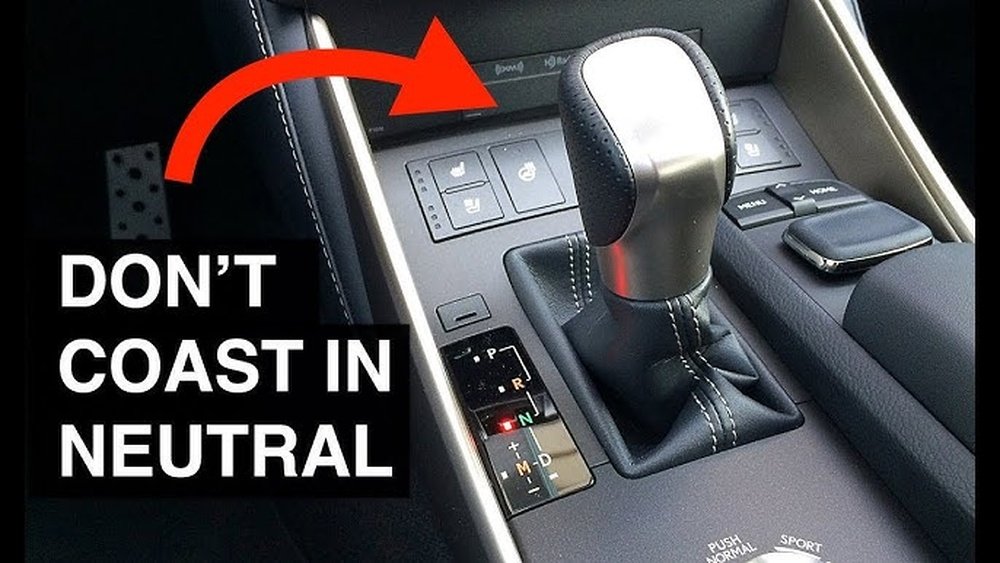
Shifting to neutral while driving cuts power from the engine to the wheels. The car slows down without engine braking. This can reduce control and increase wear on some parts.
Introduction To Automatic Transmissions
Automatic transmissions change gears without driver effort. They use sensors and hydraulics to shift smoothly. This system helps the car adjust speed and power efficiently. Drivers can focus on steering and braking.
Components Of An Automatic Transmission
Key parts include the torque converter, planetary gear sets, and hydraulic system. The torque converter connects the engine to the transmission. It allows the car to stop without stalling. Planetary gears create different gear ratios for speed and power. The hydraulic system controls these gears using fluid pressure.
How Gears Shift Automatically
Sensors monitor speed and engine load. The transmission’s computer decides the best gear. Hydraulic valves open and close to move gears smoothly. This process happens quickly and quietly. It keeps the engine running at an ideal speed.
Role Of The Torque Converter
The torque converter replaces the clutch in manual cars. It transmits engine power to the transmission. Inside, a fluid coupling allows some slip. This slip helps the car start and stop without jerking. It also multiplies engine torque when needed.
Effects Of Shifting To Neutral While Driving
Shifting to neutral while driving an automatic car has clear effects on the vehicle’s behavior. It changes how the car responds to your controls and affects safety and fuel use. Knowing these effects helps you make better driving decisions.
Impact on Vehicle Control
In neutral, the engine and wheels are not connected. The car will roll without engine power. You lose engine braking, making it harder to slow down. Steering and braking still work, but control feels different.
Fuel Consumption Changes
Fuel use may increase or decrease depending on the car. Many modern cars cut fuel in drive during coasting. In neutral, the engine may keep running at idle fuel use. This can waste gas over time.
Risks to Safety
Shifting to neutral reduces your ability to accelerate quickly. This can be dangerous in traffic or emergencies. It also limits engine braking, increasing brake wear. The car may roll unexpectedly on slopes.
Effect on Transmission Wear
Switching to neutral while moving can stress the transmission. Some automatics are not designed for this action. Repeated shifting to neutral may cause long-term damage. Always follow the car maker’s guidelines.
Potential Risks And Dangers
Shifting to neutral while driving an automatic car can seem harmless. Yet, it carries certain risks that many drivers overlook. Understanding these dangers helps keep you and others safe on the road.
Loss Of Engine Control
Shifting to neutral cuts power from the engine to the wheels. This reduces your control over the vehicle’s speed. It also limits your ability to accelerate in emergencies. Without engine power, the car may roll downhill faster than expected.
Increased Brake Wear
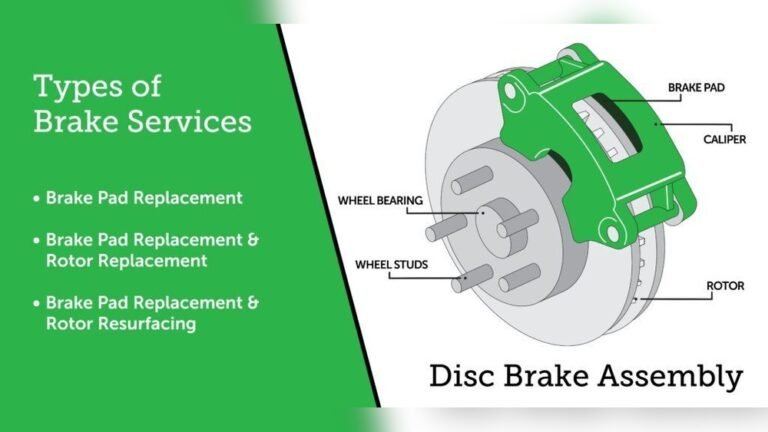
In neutral, the brakes do more work to slow down or stop the car. This causes faster brake pad wear and heating. Overusing brakes can lead to brake failure or reduced effectiveness. This is dangerous, especially on steep roads.
Delayed Response In Emergencies
Shifting to neutral delays your reaction time. You need to shift back to drive before accelerating. This can be risky during sudden stops or quick maneuvers. Every second counts when avoiding accidents.
Potential Transmission Damage
Frequent shifting to neutral while moving may harm the transmission. Automatic transmissions rely on fluid pressure to operate smoothly. Neutral disrupts this pressure, causing possible wear or damage over time. Repairs can be costly and inconvenient.
Credit: www.firestonecompleteautocare.com
Safe Driving Practices For Automatic Cars
Driving an automatic car feels easy and smooth. Yet, safe driving habits are very important. They help protect you and others on the road. Learning how to handle your car correctly keeps it in good shape too.
Simple actions can prevent accidents and car damage. Knowing what happens when you shift to neutral while driving is part of this knowledge. Let’s explore key safe driving practices for automatic cars.
Proper Use Of The Gear Shift
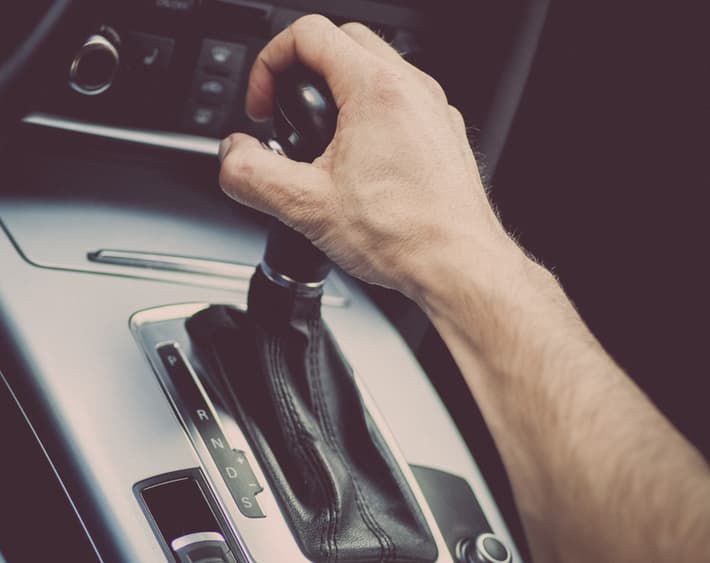
Always use the gear shift as the car manual says. Shifting to neutral while driving can cause loss of control. It stops engine braking, making it harder to slow down. Keep the car in drive for better handling and safety.
Pay Attention To Speed Control
Use the brake to control your speed, not neutral gear. Letting the car roll in neutral can confuse other drivers. It may also damage the transmission over time. Maintain speed with the brake and accelerator pedals.
Avoid Distractions While Driving
Stay focused on the road and your driving. Avoid shifting gears without a clear reason. Distractions make mistakes more likely and reduce reaction time. Safe driving means keeping full attention on your car’s controls.
Use Neutral Only When Stopped
Shift to neutral only when the car is stopped, like at red lights. It reduces strain on the transmission and saves fuel. But never shift to neutral while driving on slopes or highways. This keeps you in full control of the vehicle.

Credit: mechanics.stackexchange.com
Frequently Asked Questions
What Happens To Engine Braking When Shifting To Neutral?
Shifting to neutral stops engine braking. The car coasts freely without slowing down naturally. This can reduce control on declines.
Can Shifting To Neutral Damage An Automatic Transmission?
Shifting to neutral briefly usually does not harm the transmission. Prolonged or frequent neutral use while driving may cause wear. Always follow the car’s manual advice.
Does Shifting To Neutral Save Fuel In Automatic Cars?
Modern cars cut fuel supply when in gear and coasting. Shifting to neutral may not save fuel and can reduce control. Fuel savings are minimal or none.
Is It Safe To Shift To Neutral While Driving Downhill?
Neutral reduces engine braking, so the car relies only on brakes. This can overheat brakes on long descents. It is safer to stay in gear and use engine braking.
Will Shifting To Neutral Affect Car Control?
Neutral disengages the engine from the wheels, reducing control. You cannot accelerate quickly or respond well to emergencies. Staying in gear keeps better control over the vehicle.
Conclusion
Shifting to neutral while driving an automatic car can cause risks. It reduces control over the vehicle. The engine will not help slow the car down. This can lead to dangerous situations on the road. Staying in drive mode keeps your car stable and safe.
Always focus on using the right gear for driving. This helps protect you and other drivers around you. Drive smart, stay alert, and keep your car in the proper gear. Safety should always come first.