Can You Switch between Synthetic Oil And Regular Oil? Essential Facts
Are you wondering if you can switch between synthetic oil and regular oil without harming your car? It’s a common question that many car owners face.
Choosing the right oil is crucial for keeping your engine running smoothly and extending its life. But what happens if you want to change from one type to the other? Will it cause problems or save you money? Keep reading to find out the truth behind switching oils and what you need to know to make the best choice for your vehicle.
Your engine’s health depends on it!
Differences Between Synthetic And Regular Oil
Engine oils protect your car’s engine by reducing friction and wear. Synthetic and regular oils do this job, but they differ in several ways.
Knowing these differences helps you decide which oil fits your car’s needs best.
Synthetic Oil Composition
Synthetic oil is made in labs using pure chemical compounds. This process removes impurities found in crude oil. The result is a cleaner, more stable oil that performs well under extreme conditions.
Regular Oil Composition
Regular oil, also called conventional oil, comes from refined crude oil. It contains natural impurities and additives to improve performance. Its quality varies based on the crude oil source.
Performance And Protection
Synthetic oil stays stable at high temperatures and flows better in cold weather. It protects engine parts longer and reduces wear. Regular oil can break down faster and may not protect as well during extreme conditions.
Cost Differences
Synthetic oil costs more due to its advanced refining process. Regular oil is cheaper but may require more frequent changes. The price difference reflects the benefits each oil provides.

Credit: www.apexsuperior.com
Compatibility Of Synthetic And Regular Oil
Understanding the compatibility of synthetic and regular oil helps car owners make better choices. Both oils serve the same purpose but have different chemical structures. Mixing them does not harm the engine in most cases.
Modern synthetic oils blend well with regular oils. They share similar base oils and additives. This allows them to work together without causing damage. Yet, complete oil changes are best for engine performance.
Can Synthetic Oil Mix With Regular Oil?
Synthetic oil and regular oil can mix safely. The base oils in both types allow them to blend. This mix usually does not create problems for the engine.
Still, mixing can reduce synthetic oil’s benefits. Synthetic oil has better protection and lasts longer. Diluting it with regular oil lowers its quality.
Effects Of Mixing Synthetic And Regular Oil
Mixing oils may change how they protect your engine. Synthetic oil provides stronger protection against heat and wear. Regular oil breaks down faster under stress.
When mixed, the oil’s overall performance depends on the ratio. More synthetic oil means better protection. More regular oil reduces the synthetic oil’s advantages.
Manufacturer Recommendations On Oil Compatibility
Car makers usually approve mixing synthetic and regular oils. They understand real-life situations where owners switch oils. Using the right oil grade and change intervals remains important.
Always check your vehicle’s manual for oil advice. Some engines need full synthetic oil only. Following the manufacturer’s guidance ensures engine health.
Benefits Of Synthetic Oil
Synthetic oil offers many benefits over regular oil. It can improve your engine’s performance and protect it better.
This type of oil is made from chemical compounds designed to work well under extreme conditions. It flows smoothly and lasts longer than regular oil.
Improved Engine Protection
Synthetic oil resists breaking down at high temperatures. It forms a strong barrier that protects engine parts. This helps reduce wear and tear over time.
Better Performance In Cold Weather
Synthetic oil flows quickly in cold weather. It helps the engine start easily and reduces strain. Regular oil can become thick and slow when cold.
Longer Oil Change Intervals
Synthetic oil lasts longer than regular oil. This means fewer oil changes are needed. It saves time and can reduce maintenance costs.
Enhanced Fuel Efficiency
Synthetic oil reduces friction inside the engine. Less friction means the engine uses fuel more efficiently. This can lead to better gas mileage.
Cleaner Engine Operation
Synthetic oil contains fewer impurities. It helps keep the engine cleaner by reducing sludge buildup. A clean engine runs more smoothly and lasts longer.

Credit: www.performanceoiltechnology.com
Drawbacks Of Mixing Oil Types
Mixing synthetic oil and regular oil can cause problems for your engine. These two oils have different chemical makeups. Combining them can reduce their ability to protect your engine well.
Engines need consistent oil performance. Mixing oil types may cause uneven lubrication. This can lead to increased wear and tear on engine parts.
Reduced Lubrication Quality
Synthetic oil flows better at low temperatures. Regular oil may not flow as smoothly. Mixing these oils can lower the overall flow quality. This can cause more friction inside the engine.
Possible Chemical Reactions
Synthetic and regular oils use different additives. These additives might react badly when mixed. Chemical reactions can form sludge or deposits. Sludge clogs engine parts and lowers efficiency.
Shorter Oil Life
Synthetic oils last longer than regular oils. Mixing oils can shorten the lifespan of synthetic oil. You may need to change your oil more often. This increases maintenance costs and effort.
Warranty And Manufacturer Concerns
Car makers often recommend specific oil types. Mixing oils might void your warranty. Using the wrong oil can cause engine damage. This can lead to expensive repairs not covered by warranty.
When To Switch Oils Safely
Knowing when to switch between synthetic and regular oil helps keep your engine healthy. Choosing the right time avoids damage and ensures smooth performance. This guide explains safe moments to change oil types.
Switching oils at the wrong time may cause engine problems. Follow these tips to protect your vehicle and extend engine life.
Check Your Vehicle’s Owner Manual
Your owner manual provides oil change recommendations. It tells if synthetic or regular oil suits your engine. Follow these instructions for safe oil changes.
Wait Until The Next Oil Change Interval
Change oil only at scheduled intervals. Avoid switching oils too often to prevent mixing issues. Stick to the mileage or time suggested by the manufacturer.
Ensure Engine Is Cool Before Changing
Always let the engine cool down before draining oil. Hot oil can cause burns and damage seals. This step ensures a safer oil switch.
Fully Drain Old Oil Before Adding New
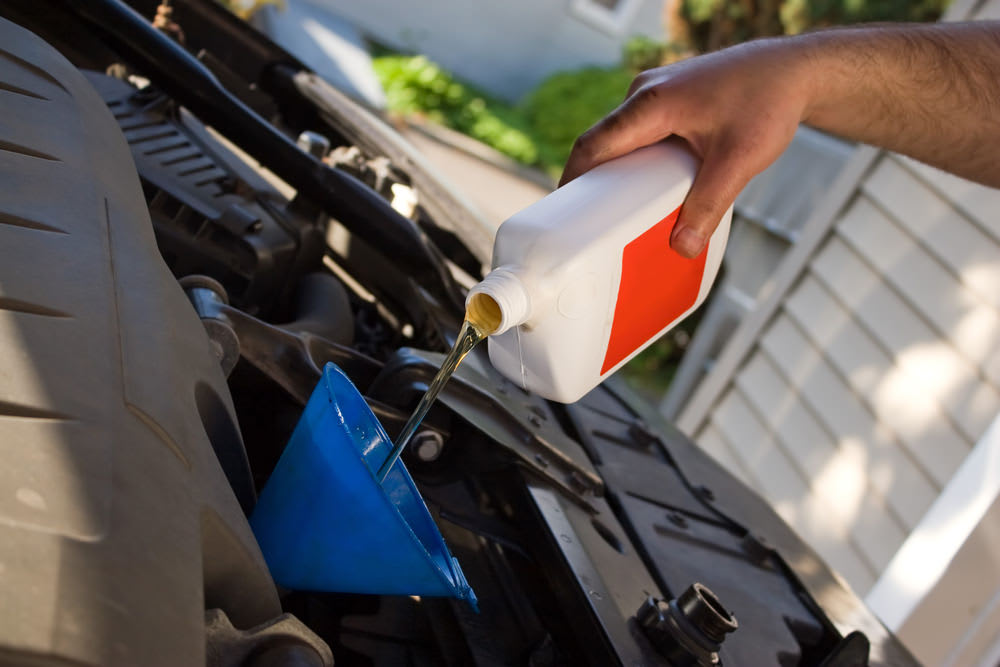
Drain all old oil before pouring new oil type. Mixing oils can reduce their effectiveness. A complete drain helps the new oil work properly.
Use The Correct Oil Viscosity
Match the oil viscosity to your engine’s requirements. Using the wrong viscosity harms engine parts. Check your manual or ask a mechanic for advice.
Consult A Mechanic For Older Or High-mileage Cars
Older engines may react differently to oil changes. A mechanic can suggest the best oil type. Get professional advice to avoid engine damage.
Credit: www.yourmechanic.com
Tips For Maintaining Engine Health
Maintaining engine health is key to your vehicle’s performance and longevity. Small actions can keep the engine running smoothly. Follow these simple tips to protect your engine and avoid costly repairs.
Switching between synthetic and regular oil is okay, but care is needed. Proper maintenance supports this change without harming the engine.
Choose The Right Oil Grade
Always select oil that matches your car’s manual. The right grade keeps the engine parts well lubricated. It prevents wear and tear during operation.
Check Oil Levels Regularly
Low oil levels can cause engine damage fast. Check the oil at least once a month. Top up if the level is below the recommended mark.
Change Oil On Time
Old oil loses its ability to protect the engine. Follow the oil change schedule recommended by the manufacturer. Regular changes keep the engine clean and running well.
Use Quality Oil Filters
Oil filters trap dirt and debris from the oil. Replace filters during every oil change. Good filters improve engine health and oil performance.
Monitor Engine Temperature
Overheating can damage engine parts quickly. Keep an eye on the temperature gauge. Address any overheating issues immediately to prevent damage.
Listen For Unusual Noises
Strange sounds may signal engine trouble. Pay attention to knocking or ticking noises. Early detection can save you from bigger repairs.
Frequently Asked Questions
Can I Switch From Synthetic To Regular Oil Safely?
Yes, you can switch between synthetic and regular oil safely. Just make sure to follow your car’s oil change schedule.
Will Mixing Synthetic And Regular Oil Harm My Engine?
Mixing synthetic and regular oil won’t harm your engine. But it’s best to use one type consistently for optimal performance.
How Often Should I Change Oil When Switching Types?
Change your oil every 3,000 to 5,000 miles or as your vehicle’s manual suggests. Switching oil types doesn’t change this interval.
Does Switching Oil Type Affect Fuel Efficiency?
Switching to synthetic oil can improve fuel efficiency slightly. Regular oil usually performs fine but may not save as much fuel.
Can Older Cars Use Synthetic Oil Instead Of Regular?
Many older cars can use synthetic oil, but check your owner’s manual first. Some older engines may prefer regular oil for best results.
Conclusion
Switching between synthetic and regular oil is usually safe for most cars. Both types clean and protect your engine well. Just check your car’s manual before changing oil types. Keep an eye on oil levels and quality regularly. This helps your engine run smoothly and last longer.
Changing oil type can save money or improve performance. Choose the right oil based on your driving and budget. Simple steps keep your car healthy and working right.