Can You Use Automatic Transmission Fluid for Power Steering Fluid? Find Out Now!
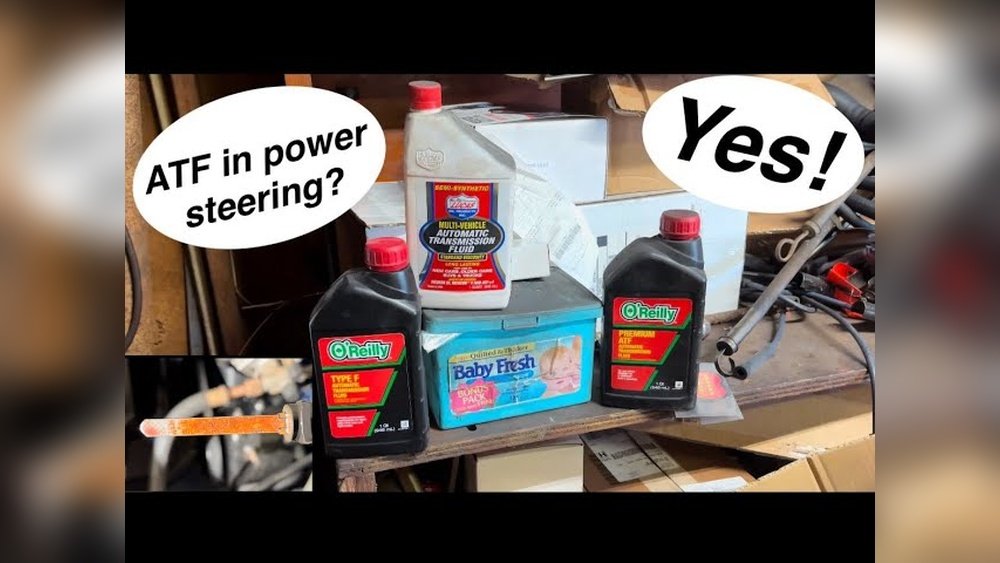
Have you ever found yourself wondering if you can use automatic transmission fluid (ATF) instead of power steering fluid for your car? It’s a question many drivers ask, especially when they’re in a pinch and need a quick fix.
Using the wrong fluid might seem harmless, but it can seriously affect your vehicle’s performance and even cause costly damage. You’ll discover the truth about using ATF for power steering, why it matters, and what you should do to keep your steering smooth and safe.
Keep reading—you’ll want to know this before you reach for that bottle!
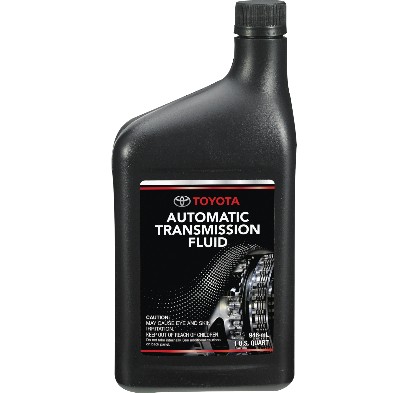
Credit: autoparts.tustintoyota.com
Differences Between Atf And Power Steering Fluid
Automatic Transmission Fluid (ATF) and power steering fluid serve different roles in a vehicle. Both are liquids, but they have different properties. Using one instead of the other can cause problems.
Understanding the differences helps you maintain your car properly. It also prevents damage to the power steering system or transmission.
Differences In Composition
ATF contains additives that help with heat resistance and friction. Power steering fluid is designed for lubrication and hydraulic pressure. These fluids have unique chemical formulas to meet their specific needs.
Viscosity And Thickness
Power steering fluid is usually thicker than ATF. It needs to maintain pressure in tight spaces. ATF is thinner to flow smoothly through transmission parts.
Temperature Tolerance
ATF is made to handle higher temperatures in transmissions. Power steering fluid works well at lower temperatures. Using the wrong fluid can cause overheating or poor performance.
Color And Identification
ATF is often red or pink, while power steering fluid is clear or amber. Color helps identify the fluid but should not be the only factor when choosing.
Effects On System Components
ATF may harm seals and hoses in the power steering system. Power steering fluid protects these parts better. Using the wrong fluid can lead to leaks or failures.
Risks Of Using Atf In Power Steering Systems
Using automatic transmission fluid (ATF) in power steering systems carries several risks. ATF and power steering fluid have different chemical properties and functions. Mixing these fluids can cause damage and reduce system performance.
Power steering systems need fluid that provides proper lubrication and pressure control. ATF may not meet these specific needs. This can lead to leaks, noises, or even failure of the power steering pump.
Increased Wear And Tear On Components
ATF may not protect seals and hoses in the power steering system. This can cause them to dry out or crack. Damaged seals lead to fluid leaks and lower system efficiency. Over time, worn parts can cause costly repairs.
Reduced Steering Performance
Power steering fluid is designed for smooth and responsive steering. ATF has a different viscosity and friction level. Using ATF can make steering stiff or noisy. This affects driving comfort and control.
Potential For System Overheating
Power steering fluid helps cool the system. ATF may not dissipate heat well in this role. Poor heat management increases the risk of overheating. Overheated fluid breaks down faster and harms system parts.
Voiding Vehicle Warranty
Many car manufacturers specify using only recommended fluids. Using ATF instead of power steering fluid can void the warranty. This means repair costs might not be covered by the manufacturer.
When Is It Acceptable To Use Atf For Power Steering
Automatic transmission fluid (ATF) can sometimes be used for power steering if the vehicle’s manual allows it. Using the wrong fluid may cause damage, so check your car’s guidelines first. Always choose the correct fluid to keep the steering system working smoothly.
Using automatic transmission fluid (ATF) in power steering systems is not always safe. Some vehicles allow it, but many do not. Knowing when ATF can replace power steering fluid prevents damage and keeps steering smooth.
ATF is designed for transmissions but shares some properties with power steering fluid. It has the right thickness and additives for certain steering systems. Still, it is important to check the vehicle’s manual before using ATF.
Vehicle Manufacturer Recommendations
Some car makers specify ATF for power steering. It depends on the system design and fluid needs. If the owner’s manual lists ATF, use it as directed. This avoids warranty issues and mechanical problems.
Older Cars And Atf Use
Many older cars use ATF in power steering pumps. These systems were built to handle it. Using the correct ATF type ensures proper lubrication and pressure. Newer cars usually need specialized power steering fluid instead.
Temporary Use In Emergencies
ATF can work as a temporary fix if power steering fluid runs out. It helps keep the system running until proper fluid is added. Avoid long-term use to prevent damage or leaks.

Credit: www.roverparts.com
How To Choose The Right Fluid For Your Vehicle
Choosing the right fluid for your vehicle is important. Using the wrong fluid can cause damage and reduce performance. Each vehicle has specific needs for fluids like power steering and transmission fluid. Knowing how to pick the correct one helps keep your vehicle safe and running smoothly.
Fluids have different properties and additives. These affect how they work in your vehicle’s system. Using the correct fluid ensures proper lubrication and protection.
Check Your Owner’s Manual
The owner’s manual is the best guide for choosing fluids. It lists the exact type and specifications required. Follow these instructions to avoid mistakes. Manuals often recommend specific brands and types of fluids.
Understand Fluid Types And Functions
Power steering fluid and automatic transmission fluid serve different purposes. Power steering fluid helps the steering system move smoothly. Transmission fluid lubricates gears and helps with shifting. These fluids have unique formulas and should not be swapped.
Look For Fluid Specifications
Fluids have specifications like viscosity and additives. These specs affect how the fluid performs under heat and pressure. Match these specs with your vehicle’s requirements. Using a fluid without the right specs can cause leaks and wear.
Consider Vehicle Age And Condition
Older vehicles may need different fluids than newer models. Some require synthetic fluids, others work well with standard types. Consider the vehicle’s condition before choosing fluid. Proper fluid helps avoid costly repairs later.
Avoid Mixing Different Fluids
Mixing automatic transmission fluid with power steering fluid is not safe. Each fluid has chemicals designed for specific parts. Mixing can cause damage and reduce fluid life. Always use fluids designed for the intended system.
Signs Of Fluid Compatibility Issues In Power Steering
Power steering systems need the right fluid to work well. Using the wrong fluid can cause problems quickly. Signs of fluid compatibility issues show that the power steering fluid is not working as it should. Recognizing these signs early can save costly repairs.
Fluids not made for power steering may not mix well with existing fluid. This causes the fluid to break down or become thick. The steering may feel stiff or noisy. These are clear signs of a problem.
Unusual Noises From The Steering System
Whining or groaning sounds when turning the wheel can mean fluid issues. Wrong fluid may not lubricate parts properly. This causes extra friction and noise in the system.
Hard Or Stiff Steering Wheel
The steering wheel becomes harder to turn. This happens because the fluid is too thick or not moving right. The pump works harder, making steering difficult.
Fluid Leaks Or Discoloration
Leaks around the power steering pump or hoses can appear. Wrong fluid can damage seals and cause leaks. The fluid may also change color, becoming darker or cloudy.
Overheating Of The Power Steering Pump
The pump may get hotter than normal. Fluid not designed for power steering can cause overheating. This reduces the pump’s life and can cause failure.
Erratic Steering Response
The steering may feel jumpy or uneven. Fluid incompatibility can cause inconsistent pressure. This leads to a poor driving experience and unsafe handling.

Credit: belmontlubricants.com
Frequently Asked Questions
Can Automatic Transmission Fluid Replace Power Steering Fluid?
Automatic transmission fluid is not designed for power steering systems. Using it can cause leaks and damage the steering pump. Always use the fluid type recommended by your vehicle manufacturer.
What Happens If I Use Atf In Power Steering?
Using ATF in power steering may lead to poor steering performance. It can cause foam and reduce lubrication. This risks damaging the power steering system over time.
Are Power Steering Fluid And Atf The Same?
Power steering fluid and ATF have different formulas and functions. ATF is thicker and made for transmissions, while power steering fluid is lighter. Mixing them can harm your car’s steering.
Can Atf Cause Damage To Power Steering Pump?
Yes, ATF can damage the power steering pump if used incorrectly. It may cause wear and tear by not providing proper lubrication. Using the correct fluid helps protect the pump.
How To Know Which Fluid To Use For Power Steering?
Check your vehicle’s owner manual for the correct fluid type. Look for labels on the power steering reservoir cap. Using the right fluid keeps your steering system healthy.
Conclusion
Using automatic transmission fluid in your power steering system is not a safe choice. These fluids have different formulas and purposes. Transmission fluid may harm seals and cause leaks in the power steering system. Always use the fluid type your vehicle’s manual recommends.
Proper fluid keeps your steering smooth and parts working well. Avoid damage and costly repairs by choosing the right fluid. Taking care of your car means following simple, clear instructions. Choose wisely for a longer-lasting, better-performing vehicle.