Do You Get Better Gas Mileage With Premium Gasoline? Truth Revealed
Are you wondering if using premium gasoline really helps your car get better gas mileage? You’ve probably seen those shiny pumps and wondered if the higher price is worth it.
What if you could save money at the pump without sacrificing your car’s performance? You’ll discover the truth about premium gas and whether it can boost your fuel efficiency. Keep reading to find out how your choice of fuel might be affecting your wallet and your ride.
How Gasoline Grades Differ
Gasoline comes in different grades. Each grade affects your car’s engine and fuel efficiency differently. Understanding these grades helps you decide which fuel suits your vehicle best.
Grades mainly differ by octane rating and the additives used. These factors influence engine performance and fuel economy.
Octane Ratings Explained
Octane rating measures gasoline’s ability to resist knocking. Knocking happens when fuel burns unevenly in the engine. High octane fuel burns more smoothly.
Regular gasoline usually has an octane rating of 87. Mid-grade is around 89, and premium is 91 or higher. Some cars need higher octane to run well.
Engines with high compression need premium gas to avoid knocking. Using lower octane in these engines can reduce power and mileage.
Additives And Formulations
Gasoline contains additives that clean the engine and reduce emissions. Different grades may have different additive blends. Premium fuels often include more detergents to keep engines cleaner.
Some additives help prevent deposits on fuel injectors and valves. Cleaner engines run more efficiently, which can improve gas mileage slightly.
Not all cars benefit from premium additives. Regular engines may not see a noticeable difference in performance or fuel economy.
Engine Requirements And Fuel Types
Engine requirements and fuel types play a big role in how your car performs. Different engines need different types of gasoline. Using the right fuel helps your engine run smoothly and can save money on gas. Not all cars benefit from premium gasoline. Understanding what your engine needs is key to better gas mileage and performance.
Manufacturer Recommendations
Car makers state the best fuel for each engine type. Look in your owner’s manual to find this information. Some engines require premium fuel with higher octane. Others work fine with regular gasoline. Using the recommended fuel keeps your engine safe. It also helps maintain your car’s warranty. Ignoring these guidelines can lead to engine damage over time.
Effects On Engine Performance
Engines designed for premium gas may run better with it. Premium fuel burns slower and resists knocking. This helps high-compression engines work efficiently. In engines made for regular gas, premium fuel does not improve performance. Your car may not get better gas mileage using premium. Using the wrong fuel can cause rough idling or stalling. Matching fuel to engine needs ensures smooth driving and saves fuel.
Fuel Efficiency And Premium Gas
Fuel efficiency is a key concern for many drivers. They want to know if premium gasoline can help them save on fuel costs. Premium gas has a higher octane rating than regular gas. This means it can resist knocking in engines better. But does this higher octane actually lead to better gas mileage?
This section explores how premium fuel affects fuel efficiency. It looks at real-world comparisons and the factors that influence gas mileage. Understanding these points helps drivers make smart fuel choices.
Real-world Mileage Comparisons
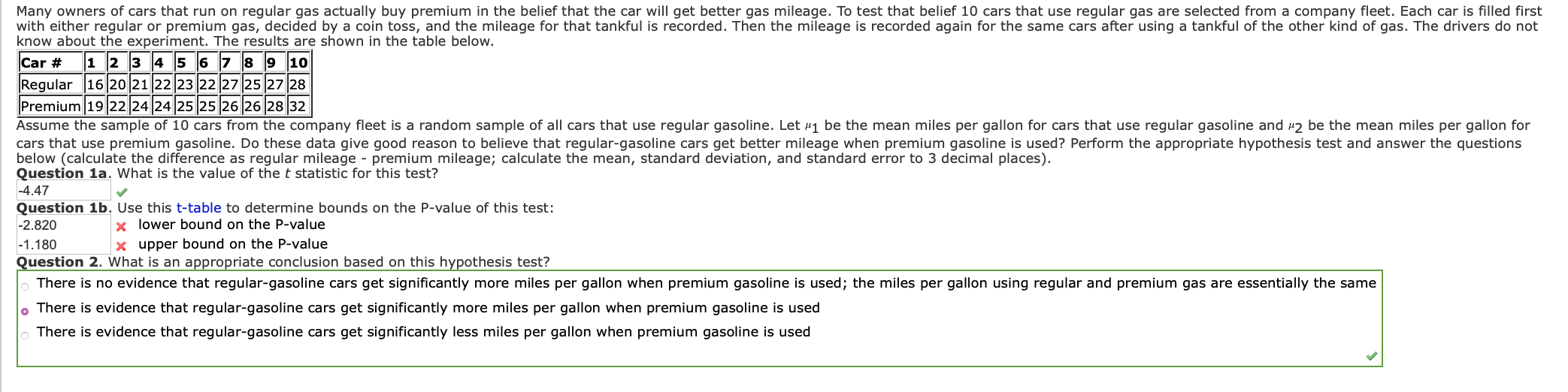
Many tests compare mileage using premium versus regular gas. Most show little to no difference in miles per gallon. Cars designed for regular fuel usually do not improve with premium. Some high-performance engines see small gains in efficiency. Those gains often do not cover the extra cost of premium gas. Drivers often report similar mileage with both fuel types.
Factors Influencing Gas Mileage
Several factors affect gas mileage beyond fuel type. Engine design plays a big role in how fuel burns. Driving habits like speed and acceleration impact fuel use. Road conditions and vehicle maintenance also matter. Premium gas may help in engines requiring high octane. For other cars, regular fuel works just fine. Proper care and smooth driving often improve mileage more than fuel choice.
Credit: www.chegg.com
When Premium Gasoline Pays Off
Premium gasoline is not always better for every car. It costs more, but sometimes it helps your car run smoother. This section explains when using premium gas is worth the extra money.
Some engines are designed to work best with premium fuel. Others might need premium gas to keep running well over time. Knowing which cars benefit helps you make smart choices at the pump.
High-performance And Turbo Engines
High-performance and turbo engines often require premium gasoline. These engines have higher compression ratios. Premium gas prevents knocking and pinging sounds. It burns cleaner and helps the engine run efficiently. Using regular gas can cause damage over time. Premium fuel keeps these engines safe and working well.
Older Vehicles And Engine Health
Older cars may benefit from premium gasoline too. Over time, engines can develop deposits and wear. Premium gas has additives that clean the engine. It helps reduce buildup and keeps parts moving smoothly. Using premium fuel can extend the life of an older engine. This keeps your car running longer and with fewer problems.
Cost Vs. Benefit Analysis
Analyzing the cost versus benefit of premium gasoline helps decide if it is worth buying. Premium gas costs more, but some drivers believe it improves gas mileage and engine performance. This section breaks down the price differences and calculates real savings and expenses.
Price Differences
Premium gasoline usually costs 30 to 60 cents more per gallon than regular gas. Prices vary by location and season. A car that needs premium fuel may not run well on regular gas. Many cars, however, can use regular gas without issues. The extra cost of premium gas adds up over time.
Calculating Savings And Expenses
Some drivers say premium gas helps their car get better mileage. Testing this means comparing miles driven per gallon on premium versus regular gas. If the mileage gain is small, it may not cover the higher price of premium gas. For example, if premium gas costs 50 cents more per gallon but improves mileage by only 2%, the extra expense might not be worth it. Always check your car’s manual for fuel recommendations. This helps avoid unnecessary spending and keeps your engine healthy.

Credit: www.exxonmobilfuels.com
Credit: www.sportmazdaorlando.com
Frequently Asked Questions
Does Premium Gasoline Improve Fuel Efficiency?
Premium gasoline does not always improve fuel efficiency. Most cars run best on regular gas unless the engine needs high octane. Using premium may not increase miles per gallon for regular engines.
Can Using Premium Gas Save Money On Fuel Costs?
Premium gas costs more per gallon, so savings are rare. Unless your car requires premium, the extra cost usually outweighs any fuel savings. Regular gas is often cheaper and just as effective for many vehicles.
Will Premium Gasoline Reduce Engine Knocking?
Premium gasoline can reduce engine knocking in high-compression engines. Knocking happens when fuel burns unevenly, causing noise and damage. For cars designed for premium, using it helps maintain smooth engine performance.
Is Premium Gas Better For All Types Of Cars?
Not all cars benefit from premium gas. Most everyday cars run well on regular gasoline. Premium is best used only if your car’s manual specifically recommends it.
Conclusion
Choosing premium gasoline does not always mean better gas mileage. Most cars run well on regular fuel. Premium helps only certain engines designed for it. Using premium gas in a regular car often does not save money or fuel. Check your car’s manual to see what fuel it needs.
Save money by using the right gas type for your vehicle. Good fuel choices help your car run smoothly and last longer. Think about your car’s needs before paying extra for premium gas. Simple and smart fuel use is best for most drivers.