How Can You Prevent Brakes from Locking Without ABS: Expert Tips
Have you ever felt your brakes suddenly lock up while driving, making it hard to control your car? It’s a scary experience, especially if your vehicle doesn’t have ABS (Anti-lock Braking System).
But don’t worry—there are simple ways you can prevent your brakes from locking and stay safe on the road. You’ll discover practical tips that anyone can use to avoid locked brakes, even without advanced technology. Keep reading, because mastering these techniques could save you from dangerous skids and give you more confidence behind the wheel.

Credit: ackodrive.com
Causes Of Brake Locking
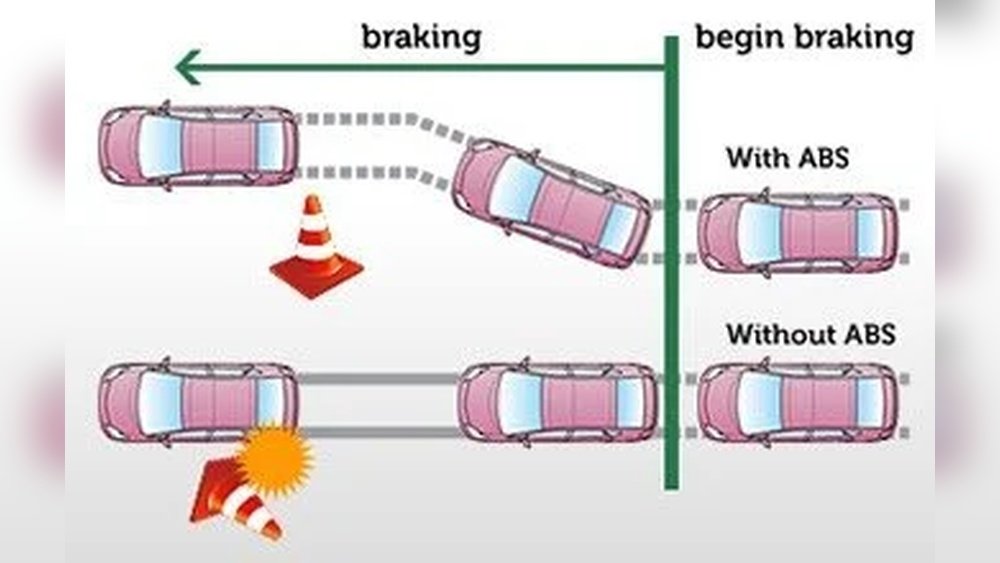
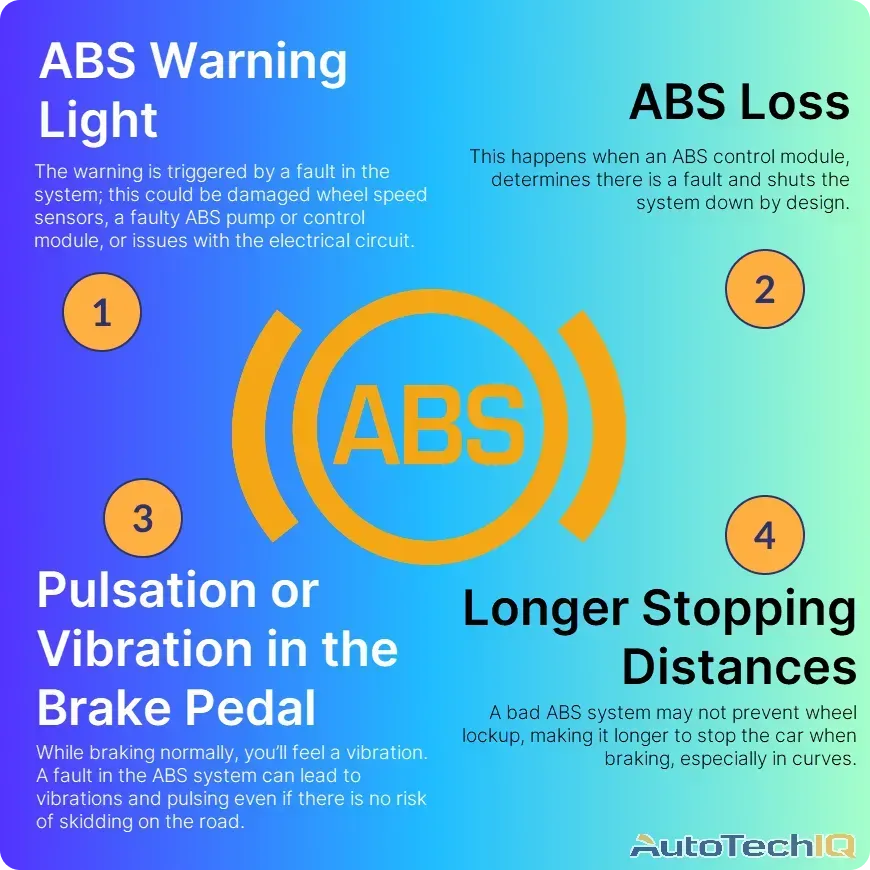
Brake locking happens when the wheels stop turning but the car keeps moving. This can cause loss of control and skidding. Understanding what causes brake locking helps drivers avoid dangerous situations. Many factors can lead to brakes locking without ABS. These include mechanical problems, road conditions, and driver mistakes.
Mechanical Issues
Worn brake pads or shoes can cause uneven braking pressure. This may lead to one wheel locking up. Faulty brake fluid or air in brake lines reduces braking control. Sticking brake calipers hold the brake pads against the wheel too long. Poorly adjusted brakes can create too much force on one wheel. These mechanical faults increase the risk of brake locking.
Road Conditions
Slippery surfaces like ice, snow, or wet roads reduce tire grip. This makes wheels more likely to lock during braking. Loose gravel or sand lowers traction and causes wheel lock. Sharp turns or steep slopes add stress to brakes. Bad road conditions often cause sudden locking without ABS help.
Driver Errors
Hard or sudden braking can cause wheels to stop spinning. Not easing off the brake pedal in a skid worsens locking. Braking while turning also raises the risk of wheel lock. Lack of proper braking technique is a major factor. Drivers must learn smooth and controlled braking to avoid locking.
Credit: www.autotechiq.com
Proper Braking Techniques
Proper braking techniques help keep control of your vehicle without ABS. These methods reduce the chance of wheel lockup. They improve safety on slippery or rough roads. Practice these skills regularly for better reaction in emergencies.
Threshold Braking
Threshold braking means applying the brakes just before the wheels lock. Press the brake pedal firmly but not too hard. Feel the point where the wheels almost stop turning. Hold the pressure steady at this point to slow down quickly. This method maximizes stopping power without losing control.
Pumping The Brakes
Pumping the brakes means pressing and releasing the brake pedal repeatedly. This action helps keep the wheels turning and prevents lockup. Use this technique if your brakes start to lock or skid. It also helps keep steering control while slowing down.
Controlled Pressure
Controlled pressure means using smooth, steady brake pressure. Avoid slamming the brakes suddenly. Gradual pressure lets the tires maintain grip on the road. This reduces the risk of skidding and loss of control. Practice controlled pressure to improve your braking skills.
Vehicle Maintenance Tips
Keeping your brakes from locking without ABS starts with regular vehicle care. Proper maintenance helps your brakes work smoothly and safely. Pay attention to key parts that affect braking performance.
Brake Fluid Checks
Brake fluid transfers force to your brakes. Old or low fluid can cause poor brake response. Check the fluid level monthly. Use the type recommended by your car’s manual. Change the fluid every two years to avoid moisture buildup. Moisture can lead to brake failure and locking.
Tire Condition
Tires grip the road and affect braking. Worn or underinflated tires reduce traction. Check tire tread depth regularly. Replace tires with shallow tread to avoid slipping. Keep tires inflated to the correct pressure. Proper tires help prevent the wheels from locking during braking.
Brake Pad Inspection
Brake pads press against rotors to stop your car. Thin or damaged pads lower braking power. Check pads every 10,000 miles or sooner if you hear squeaking. Replace pads before they wear out completely. Good pads reduce the chance of locking wheels and improve control.

Credit: www.shriramgi.com
Adapting To Different Road Surfaces
Adapting to different road surfaces is key to preventing brakes from locking without ABS. Each surface affects tire grip and braking power. Knowing how to adjust your braking technique can keep you safe and in control.
Wet And Slippery Roads
Wet roads reduce tire traction, causing wheels to lock easily. Press the brake pedal gently and steadily. Avoid sudden stops or sharp braking. Give yourself extra distance to slow down safely. Watch for puddles that can cause hydroplaning.
Gravel And Dirt
Loose gravel or dirt makes tires slide more. Brake softly to avoid locking the wheels. Use short, controlled brake presses. Keep your speed low on these surfaces. Steering gently can help maintain balance and control.
Icy Conditions
Ice is the most slippery surface and demands extreme care. Brake very slowly and lightly to prevent skidding. Increase your following distance greatly. Use engine braking by downshifting if possible. Stay calm and avoid sudden moves.
Emergency Braking Without Abs
Stopping quickly without ABS can be tricky. ABS helps prevent wheels from locking, but many cars still lack this system. Knowing how to brake safely without ABS is important. You can avoid skidding and keep control during sudden stops. Practice and awareness make a big difference in emergencies.
Recognizing Skid Signs
Skids happen when wheels lock and lose grip. Your car may slide or feel like it is sliding. The steering wheel can become hard to turn. You might hear a screeching noise from the tires. Spotting these signs early helps you react faster. If you notice any, ease off the brake slightly to regain control.
Steering During Lock-up
When brakes lock, keep calm and steer gently. Avoid sharp turns or sudden moves. Steer in the direction you want to go. This helps regain traction and control. Do not release the brake fully, but ease pressure carefully. Smooth steering combined with controlled braking reduces skid risks.
Safe Stopping Distance
Keep a larger distance from the car ahead. Without ABS, stopping takes longer, especially on wet roads. More space gives extra time to react and brake safely. Slow down early if the road is slippery or crowded. Maintaining distance lowers chances of locking brakes and accidents.
Frequently Asked Questions
How Do I Stop Brakes From Locking Without Abs?
Apply steady, gentle pressure on the brake pedal. Avoid sudden or hard braking to prevent wheel lockup.
What Driving Techniques Prevent Brake Locking On Older Cars?
Pump the brakes lightly if the wheels start to lock. This keeps the tires gripping the road better.
Can Tire Condition Affect Brake Locking Without Abs?
Yes, worn or bald tires increase locking risk. Good tire tread helps maintain better brake control.
Is Speed A Factor In Brake Lock Without Abs?
Yes, higher speeds make it easier for brakes to lock. Slow down gradually to keep control when braking.
Conclusion
Preventing brakes from locking without ABS takes care and focus. Press the brake pedal gently and avoid sudden stops. Keep your tires in good shape for better grip on the road. Practice smooth steering and maintain a safe distance from other cars.
These simple steps help you stay safe and control your vehicle well. Drive carefully, stay alert, and remember—braking smoothly protects you and others.