How Long Can You Drive With Check Engine Light On 2026
Figuring out how long can you drive with check engine light on usually means determining whether your dashboard indicator is glowing steadily or flashing urgently. A solid light generally allows for 50 to 100 miles of driving, whereas a flashing light signals a severe engine misfire requiring you to pull over immediately.
This guide explains the primary causes behind these dashboard warnings, outlines the risks of ignoring them, and helps you decide when to call a tow truck. Here is what you need to know about diagnosing and handling your vehicle’s check engine light.
7 Most Common Causes of Check Engine Light Activation
Knowing what triggers your dashboard warning helps you determine the urgency of your trip. Reviewing common dashboard warning signs allows you to catch minor sensor errors before they escalate into costly repairs.
- Loose or damaged fuel caps: Evaporative system pressure drops when the seal fails.
- Failing oxygen sensors: Exhaust gas ratios become inaccurate and lower fuel economy.
- Worn spark plugs and ignition coils: Misfires trigger immediate powertrain computer alerts.
- Catalytic converter degradation: Exhaust flow restrictions compromise overall engine power output.
- Mass airflow sensor failure: Incorrect air volume data disrupts optimal fuel injection delivery.
- Thermostat valve sticking: Engine operating temperature fluctuates outside safe manufacturer parameters.
- EGR valve clogging: Exhaust gas recirculation buildup disrupts proper combustion chamber temperatures.
Once you know what triggers the warning, you need to evaluate the physical danger of continuing your journey. Knowing what triggered the warning is helpful, but the blinking pattern demands immediate attention.
Solid vs Flashing Check Engine Light for Safe Driving
The exact color and behavior of your dashboard light dictate whether you can keep driving. A solid amber illumination means the powertrain computer detected a non-emergency fault in your emissions or sensor network. You can usually finish your local commute or drive to a service station while monitoring engine performance.
A blinking indicator demands immediate action because unburned fuel is flooding the exhaust system. According to automotive engineering standards from major manufacturers, unburned fuel reaching the catalytic converter causes extreme thermal stress and failure. Pull your vehicle over in a safe location right away and shut off the motor to prevent permanent destruction.
Knowing the safety rules leads directly to calculating how many miles you can actually travel. Once you determine the severity of the alert, measuring your remaining safe distance becomes priority.
How Many Miles Can You Drive With Check Engine Light On
Drivers frequently ask how many miles they can travel before a minor sensor fault turns into a major repair bill. If your dashboard indicator is steady and your car accelerates smoothly, you can generally travel up to 50 miles without risking secondary damage. City driving puts less thermal stress on components than high-speed highway commuting.
According to automotive service guidelines from AAA’s 2025 vehicle maintenance reports, drivers should generally limit travel to no more than 50 to 100 miles after a check engine light illuminates to prevent severe secondary damage to the catalytic converter and emissions systems dictates that pushing past 100 miles on an active code risks cascading component failures.
Your engine computer may adjust air-fuel ratios into a rich backup mode that degrades spark plugs and fouls your exhaust system over time. You should limit your driving strictly to essential trips until a mechanic diagnoses the root fault.
Before you risk those miles, you should check the easiest potential fix right in your driveway. When you finally reach a safe stopping point, reading the onboard computer diagnostic codes provides the exact answers.
How to Fix Loose Gas Cap Check Engine Light in 3 Steps
You can resolve a large percentage of dashboard warnings yourself without visiting a mechanic. Applying basic car maintenance steps often clears annoying emission alerts within a few standard driving cycles.
- Locate your vehicle fuel filler door and unscrew the gas cap completely by turning it counterclockwise.
- Inspect the heavy rubber gasket seal running around the cap perimeter for dry rot, cracks, or debris.
- Reinstall the cap by turning it clockwise until you hear a distinct clicking sound indicating proper seal tension.
If tightening the cap fails to clear the dash, your next step is reading the specific computer error codes.
How to Scan OBD2 Codes Free at Auto Parts Store
You do not need to pay a dealership for an initial diagnostic scan when major auto parts retailers offer it for free. National chains like AutoZone, Advance Auto Parts, and O’Reilly Auto Parts provide complimentary code reading services to help motorists identify powertrain faults quickly.
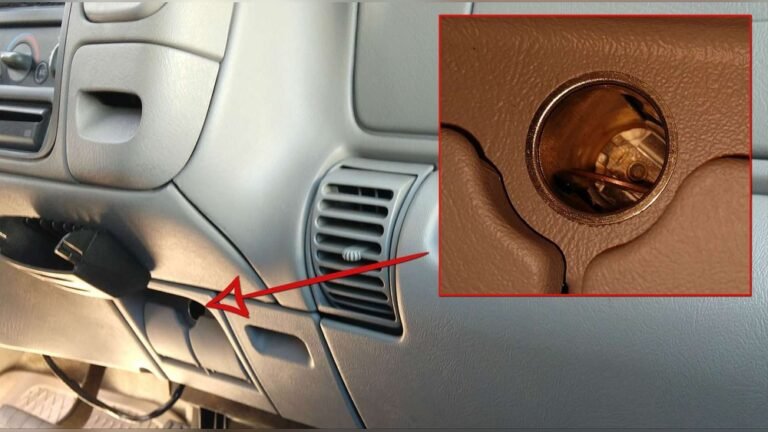
Major national auto parts store chains including AutoZone, Advance Auto Parts, and O’Reilly Auto Parts provide complimentary OBD-II diagnostic scans at most of their retail locations nationwide (AutoZone, “Free Check Engine Light Service,” autozone.com). confirms that retail employees will plug a diagnostic scanner into the data link connector underneath your steering column.
The tool retrieves alphanumeric trouble codes that pinpoint exactly which sensor or mechanical component triggered your dashboard warning.
Gathering your diagnostic data ensures you make the right repair decisions before mechanical failure strikes. Clearing those codes safely requires understanding what happens to your vehicle’s computer after a reset.
7 Most Common Questions About Dashboard Engine Lights
Can I Drive to Work With a Check Engine Light On?
Yes, you can usually drive to work if the light is solid and your car drives normally. If the engine hesitates or the light blinks, cancel your commute and arrange alternate transportation immediately to prevent severe component damage.
Will a Check Engine Light Go Off on Its Own?
A check engine light can turn off on its own if the underlying issue was temporary, such as a loose gas cap. The vehicle computer will automatically clear the code after several successful driving cycles without detecting the fault.
Can Low Oil Cause the Check Engine Light to Come On?
Low oil typically triggers the oil pressure warning light rather than the check engine light. However, extreme engine neglect or variable valve timing failures caused by low oil levels can eventually trigger the check engine light.
Is It Safe to Drive Long Distances With a Check Engine Light?
Driving long distances with a solid check engine light is risky because minor component failures can worsen rapidly at highway speeds. You should get a diagnostic scan before undertaking any extended road trip.
How Much Does It Cost to Fix a Check Engine Light?
The repair cost for a check engine light ranges from zero dollars for a loose gas cap to over one thousand dollars for a failing catalytic converter. Free code scanning helps you identify the exact problem before spending money.
When to See a Mechanic for Engine Trouble
Dealing with dashboard warnings in your vehicle requires a calm, methodical approach to ensure passenger safety and prevent expensive repair bills. Distinguish safely between solid and flashing dashboard indicators before deciding whether to continue your trip. Check your fuel cap and perform free diagnostics before panicking over complex mechanical failures.
Address minor mechanical issues early to protect your vehicle and budget throughout 2026. Head to your nearest auto parts store today to scan your OBD2 codes and protect your engine from costly damage.