How Long Does It Take to Replace an Ignition Switch: Quick Guide
Have you ever turned your key only to find nothing happens? Your ignition switch might be the problem.
But how long does it take to replace an ignition switch? You’re probably wondering if this repair will keep you off the road for hours or even days. Knowing the answer can save you time, stress, and unexpected costs. You’ll discover exactly what to expect during the replacement process and how to prepare for it.
Keep reading to get the clear, straightforward information you need to get back behind the wheel quickly.

Credit: simonsautorepairtaunton.com
Signs You Need A New Ignition Switch
The ignition switch plays a key role in starting your car. It sends power to the engine and other systems. When it starts to fail, your vehicle shows clear signs. Noticing these signs early can save time and money. It also prevents unexpected breakdowns. Here are some common symptoms that suggest a new ignition switch is needed.
Car Won’t Start
The most obvious sign is when the car does not start. You turn the key, but nothing happens. No sound, no engine crank. This can mean the ignition switch is faulty and not sending power.
Stalling Engine
The engine may start but suddenly stall while driving. This happens because the ignition switch cuts power unexpectedly. Stalling is dangerous and needs quick attention.
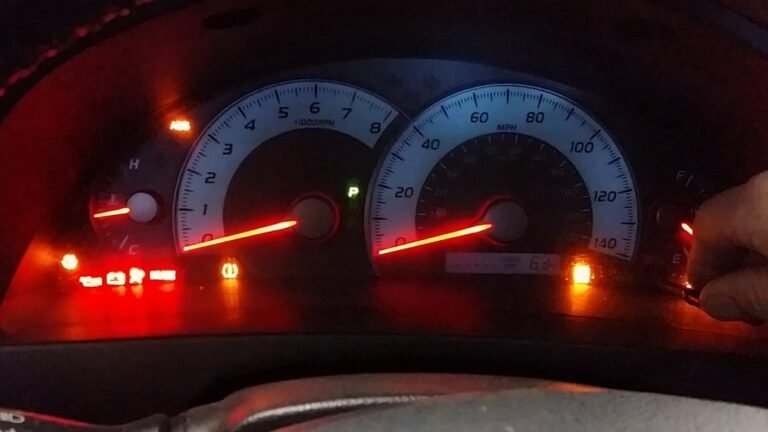
Flickering Dashboard Lights
Dashboard lights might flicker or go off when turning the key. This shows inconsistent electrical flow. A worn ignition switch often causes this problem.
Key Won’t Turn Or Gets Stuck
Difficulty turning the key in the ignition is common. The key may get stuck or feel loose. This physical issue points to a failing ignition switch or cylinder.
Accessory Power Problems
Power to accessories like the radio or air conditioner may cut off. They might work only sometimes or not at all. This suggests the ignition switch is not working properly.
Tools And Parts Required
Replacing an ignition switch needs the right tools and parts. Having these ready makes the job faster and easier. Knowing what to gather helps avoid delays during the repair.
The tools include simple hand tools found in most toolkits. Parts must match your vehicle’s make and model for proper fit and function.
Essential Tools
A screwdriver set is necessary for removing panels and screws. Both flathead and Phillips types are useful.
A socket wrench with various sizes helps loosen bolts around the ignition assembly.
Needle-nose pliers assist in pulling out small clips or connectors gently.
A trim removal tool protects plastic parts from damage while prying off panels.
Required Parts
The main part is a new ignition switch. It must be compatible with your car’s year and model.
A set of replacement screws or bolts might be needed if old ones are damaged or rusty.
Sometimes, new wiring connectors are necessary if the old ones show wear or corrosion.
Having a user manual or repair guide for your specific vehicle helps ensure correct installation.
Step-by-step Replacement Process
Replacing an ignition switch can seem hard but it is straightforward. This step-by-step guide breaks down the process. Follow these steps to replace your ignition switch safely and quickly.
Prepare Your Vehicle
Start by parking your car on a flat surface. Turn off the engine and remove the key. Disconnect the battery to avoid electric shock. Wait a few minutes before moving on.
Remove The Steering Column Cover
Locate the screws holding the steering column cover. Use a screwdriver to remove them carefully. Gently pull off the cover to expose the ignition switch. Be careful not to damage any wires.
Disconnect The Ignition Switch
Find the ignition switch connected to the wiring harness. Press the release tab and unplug the connector. Note how the switch is mounted to the steering column.
Remove The Old Ignition Switch
Unscrew the bolts or fasteners holding the switch in place. Slide the ignition switch out of its position. Keep the screws for installing the new switch.
Install The New Ignition Switch
Insert the new ignition switch into the mounting spot. Secure it with the screws you saved. Connect the wiring harness to the new switch firmly.
Reassemble The Steering Column Cover
Place the steering column cover back on carefully. Align the screw holes and tighten the screws. Make sure the cover fits snugly and no wires are pinched.
Reconnect The Battery And Test
Reconnect the battery terminals securely. Insert the key into the ignition switch and turn it. Check that the engine starts and all electrical parts work.
Time Estimates For Different Vehicles
Replacing an ignition switch takes different times for various vehicles. The process depends on the car’s make, model, and year. Some cars have simple designs that make the job quick. Others have complex systems that need more work.
Knowing the time estimate helps plan your visit to the mechanic or prepare for a DIY fix. It also sets realistic expectations about the repair duration.
Toyota And Honda Models
Toyota and Honda vehicles often have straightforward ignition systems. Replacing the switch usually takes 30 to 60 minutes. Most parts are easy to reach and remove. These cars do not require special tools, speeding up the process.
Ford And Chevrolet Vehicles
Ford and Chevrolet models may take longer to replace the ignition switch. Expect about 45 minutes to 90 minutes. Some models need dashboard removal, which adds time. Sometimes, disconnecting the battery is necessary for safety.
Luxury Brands: Bmw And Mercedes-benz
BMW and Mercedes-Benz cars have complex electrical systems. Replacing the ignition switch can take 1 to 2 hours. These vehicles often need specialized tools. The process may involve programming the new switch to match the car’s system.
Older Cars And Classic Models
Older cars usually have simpler ignition switches. Replacements can be quick, often under 45 minutes. However, some parts may be hard to find. Rust or wear can slow down the repair process.
Tips To Speed Up The Replacement
Replacing an ignition switch can be quicker with the right approach. Small steps can save time and reduce stress. Knowing what to do before starting helps a lot. Here are some useful tips to speed up the replacement process.
Prepare Tools And Parts Ahead
Gather all tools and parts before starting. Check for screwdrivers, wrenches, and the new ignition switch. Having everything ready avoids interruptions. This preparation speeds up the work significantly.
Disconnect The Battery
Always disconnect the battery before working on the ignition. This step prevents electric shocks and damage. Doing it first saves time later and keeps safety a priority.
Follow A Clear Guide
Use a clear, step-by-step guide or manual. It helps avoid mistakes and confusion. Knowing each step saves time and makes the process smoother.
Work In A Well-lit Area
Choose a bright place to work. Good lighting helps find screws and parts quickly. It reduces errors and speeds up the process.
Keep Screws And Small Parts Organized
Use a small container for screws and parts. This prevents losing pieces and saves time searching. Staying organized helps finish the job faster.

Credit: www.wikihow.com

Credit: www.locksmithmonkey.com
Frequently Asked Questions
How Long Does It Take To Replace An Ignition Switch?
Replacing an ignition switch usually takes 30 to 60 minutes. The exact time depends on the car model and mechanic’s experience.
Can I Replace The Ignition Switch Myself?
Yes, if you have basic tools and car knowledge. But it might be tricky and needs careful handling.
What Factors Affect Ignition Switch Replacement Time?
Car make, model, and switch location affect the time. Also, mechanic skill and tool availability play a role.
Will Replacing The Ignition Switch Fix Starting Issues?
Often yes, a faulty ignition switch can stop the car from starting. But other problems might need checking too.
Conclusion
Replacing an ignition switch usually takes about one to two hours. The exact time depends on your car’s make and model. A skilled mechanic can finish the job faster. Doing it yourself may take longer if you lack experience. Keep in mind, a faulty ignition switch can cause car problems.
Fixing it quickly helps you avoid bigger issues later. Always choose quality parts to ensure your car runs smoothly. Regular maintenance keeps your vehicle safe and reliable. Don’t delay if you notice ignition problems. Quick action saves time and money in the long run.