How Much for Timing Belt And Water Pump Replacement: Ultimate Cost Guide
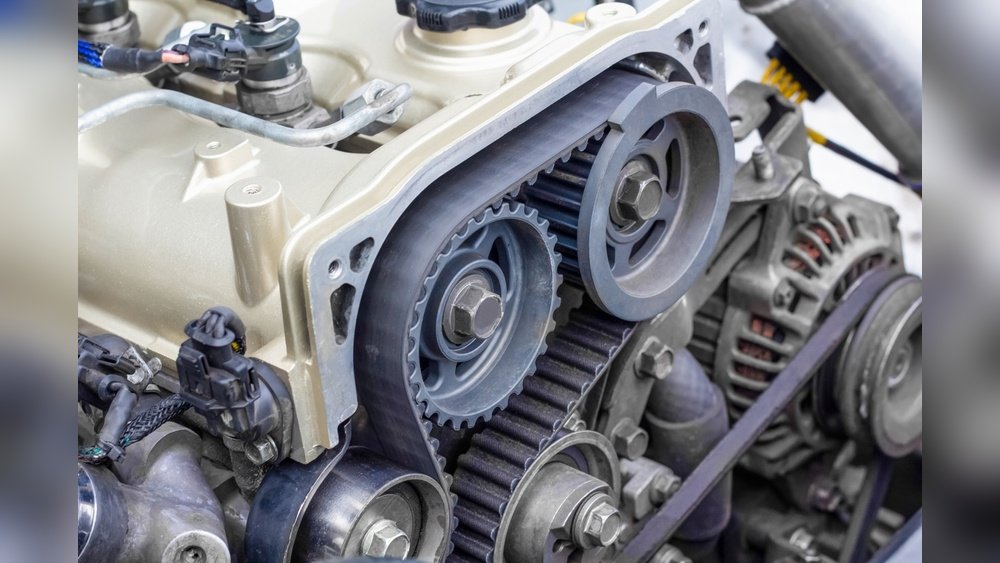
If your car’s engine could talk, it would tell you that the timing belt and water pump are two of its most important parts. When these fail, your engine could face serious damage—and costly repairs.
So, you might be wondering, how much will it cost to replace the timing belt and water pump? Knowing the price upfront can save you stress and help you plan your budget. You’ll get clear answers on the typical costs, what affects the price, and why it’s smart to replace both parts together.
Keep reading to protect your engine and your wallet.
Timing Belt Replacement Costs
Timing belt replacement costs vary based on several key factors. Knowing these costs helps you plan your car maintenance budget. The timing belt is crucial for engine function. Replacing it on time prevents major engine damage.
Average Price Range
The average cost for timing belt replacement is between $300 and $800. This price usually includes parts and labor. Some cars need more expensive belts or extra parts. Luxury or high-performance vehicles often cost more. Prices can also change by location and mechanic rates.
Factors Affecting Costs
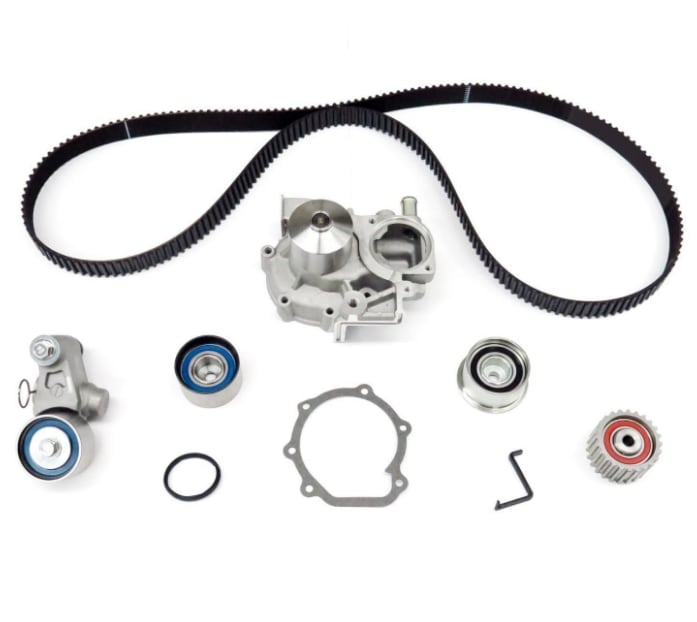
Car make and model affect the price. Some engines are harder to work on, raising labor costs. The quality of the timing belt matters too. OEM belts cost more but last longer. Additional parts like tensioners or pulleys can add cost. Labor rates vary by shop and region. Urgent or emergency service may increase the price.
Diy Vs Professional Service
DIY timing belt replacement saves money but needs skill. Incorrect installation can cause engine failure. Professionals have tools and experience for safe replacement. They also check related parts for wear. DIY may take many hours, risking errors. Professionals usually finish the job in a few hours. Choosing a pro ensures warranty and peace of mind.
Water Pump Replacement Expenses
Replacing a water pump is a key part of car maintenance. It keeps the engine cool and running well. Knowing the costs helps plan your budget better.
The price varies based on car make and model. Also, labor charges and parts quality affect the total cost.
Typical Cost Breakdown
The average water pump replacement costs between $300 and $750. Parts usually cost $50 to $200. Labor charges range from $150 to $500. Higher-end vehicles or complex engines cost more. Some cars require removing other parts, increasing labor time.
Signs You Need A New Water Pump
Look for coolant leaks near the front of the engine. Overheating engine or steam from the hood signals trouble. Strange noises like whining or grinding may come from the pump. Your car’s temperature gauge rising quickly also warns of pump failure.
Labor And Parts Pricing
Parts vary in price by brand and quality. OEM parts cost more but last longer. Aftermarket parts are cheaper but may wear out sooner. Labor costs depend on the mechanic’s rate and work complexity. Shops in cities often charge more than rural areas. Average labor time is 2 to 4 hours for this job.
Combined Replacement Benefits
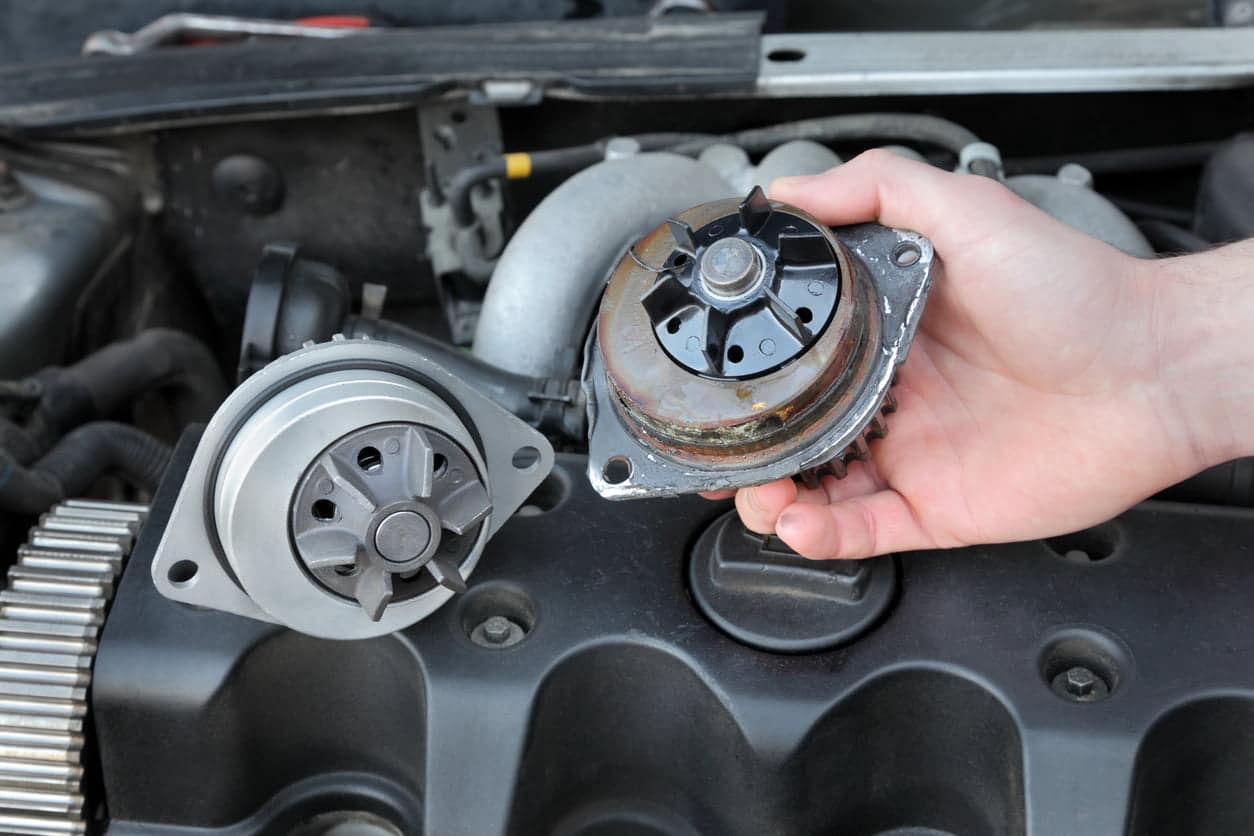
Replacing both the timing belt and water pump at the same time saves money and stress. These parts often wear out together because they are close inside the engine. Doing both jobs together means fewer visits to the mechanic and less labor cost. This helps avoid unexpected breakdowns and keeps your car running smoothly.
Cost Savings Explained
Replacing the timing belt and water pump together cuts down labor costs. The mechanic only opens the engine once. This saves hours of work and lowers your bill. Buying parts at the same time can also reduce the price. Avoid paying twice for the same job later.
Recommended Replacement Intervals
Most car makers suggest changing the timing belt every 60,000 to 100,000 miles. The water pump often lasts about the same time. Changing both parts at once fits the recommended schedule. This keeps your engine protected and avoids damage.
Potential Risks Of Delaying
Delaying water pump replacement after changing the timing belt can cause serious problems. A broken water pump can overheat the engine fast. This may lead to costly repairs or engine failure. Waiting too long risks both parts breaking at once. Better to replace them together for safety and peace of mind.

Credit: www.amazon.com
Vehicle Type And Model Impact
The cost of timing belt and water pump replacement varies widely. One major factor is the vehicle type and model. Different cars require different parts and labor. This affects the price significantly. Understanding how your vehicle impacts costs helps you plan better for this maintenance.
Luxury Vs Economy Cars
Luxury cars often have more complex engines. Parts for these cars cost more. Labor can take longer due to intricate designs. Economy cars usually have simpler engines. Their parts are easier to find and cheaper. Labor costs tend to be lower for economy models. This difference affects the total replacement cost.
Common Cost Variations By Brand
Each car brand has its own pricing for parts. Some brands use specialized materials for timing belts. Water pumps also differ in quality and price. Popular brands might have more affordable parts. Rare or imported brands often cost more. Brand reputation can influence labor rates too.
Impact Of Engine Type
Engine design changes the replacement process. Inline engines might be simpler to service. V-type engines can be harder and take more time. Timing belts in turbocharged engines often cost extra. Some engines combine timing belts and chains. This mix affects both parts and labor costs.
Tips To Lower Replacement Costs
Replacing a timing belt and water pump can be costly. Saving money is possible with smart choices. Simple tips can lower your bill without risking quality.
Finding Reliable Mechanics
Choose a mechanic with good reviews and fair prices. Experienced mechanics avoid mistakes that cause extra costs. Ask for quotes from multiple shops. This helps compare prices and services. A trustworthy mechanic can save money in the long run.
Using Quality Aftermarket Parts
Aftermarket parts often cost less than original parts. Many offer the same quality and durability. Check reviews before buying parts. Avoid the cheapest parts as they may fail early. Good aftermarket parts balance cost and reliability.
Scheduling Maintenance Wisely
Plan your replacement when other repairs are not urgent. Combining services can reduce labor costs. Regular maintenance prevents sudden failures that cost more. Follow your car’s manual for timing belt and water pump schedules. Early replacement avoids engine damage and expensive repairs.
Credit: www.autozone.com
Credit: www.holtsauto.com
Frequently Asked Questions
How Much Does Timing Belt Replacement Cost?
Timing belt replacement usually costs between $300 and $900. The price depends on your car model and labor rates in your area.
Why Replace The Water Pump With The Timing Belt?
Replacing the water pump at the same time saves money and labor. It prevents future engine damage caused by pump failure.
How Long Does Timing Belt And Water Pump Replacement Take?
The replacement typically takes 3 to 5 hours. It varies by vehicle type and the mechanic’s experience.
Can I Replace The Timing Belt And Water Pump Myself?
DIY replacement is possible but challenging. It requires special tools and mechanical knowledge to avoid engine damage.
Conclusion
Timing belt and water pump replacement costs vary by car model and location. Choosing quality parts helps avoid frequent repairs later. Regular maintenance keeps your engine running smoothly and safely. Don’t delay replacing these parts to prevent costly damage. Ask your mechanic for a clear estimate before starting work.
Staying informed saves money and stress down the road. Keep your vehicle reliable by planning timely replacements. Simple steps protect your car and your budget.