How to Change 2010 Kia Sportage Transmission Fluid: Easy Step-by-Step Guide
If you want your 2010 Kia Sportage to run smoothly and avoid costly repairs, changing the transmission fluid is a crucial step you can’t skip. But maybe you’re wondering: How do you actually change the transmission fluid yourself?
Is it complicated? What tools do you need? In this guide, you’ll find simple, step-by-step instructions that anyone can follow—even if you’re not a car expert. By taking care of your transmission fluid, you’re protecting your vehicle’s performance and extending its life.
Keep reading to learn exactly how to change the transmission fluid on your 2010 Kia Sportage and keep your ride shifting perfectly.

Credit: www.youtube.com
Tools And Materials Needed
Changing the transmission fluid in your 2010 Kia Sportage requires some basic tools and materials. Having everything ready before starting saves time and prevents mistakes. The right tools ensure the job is done safely and correctly.
Gather all items on hand for smooth work. Prepare a clean workspace and wear gloves to keep your hands clean. Follow the steps carefully to avoid damage to your vehicle.
Transmission Fluid
Use the fluid type specified in your owner’s manual. The 2010 Kia Sportage usually needs automatic transmission fluid (ATF) with the correct specification. Using the wrong fluid can harm the transmission.
Drain Pan
A drain pan catches old fluid as it drains from the transmission. Choose one with enough capacity to hold all the fluid. This helps keep your workspace clean and prevents spills.
Socket Wrench And Sockets
These tools remove the drain plug and transmission pan bolts. A socket wrench with the right size sockets is essential for loosening and tightening bolts without damage.
Funnel
A funnel makes adding new transmission fluid easier. It helps pour the fluid without spilling. Use a long, narrow funnel designed for transmission fluid fill tubes.
Rags Or Shop Towels
Keep rags or shop towels nearby to wipe up spills. They also help clean the drain plug and surrounding areas during the job. Cleanliness helps prevent dirt from entering the transmission.
Gloves And Safety Glasses
Wear gloves to protect your hands from hot fluid and chemicals. Safety glasses shield your eyes from splashes. Safety gear keeps the job safe and comfortable.
Jack And Jack Stands (optional)
If you need more access under the vehicle, use a jack and jack stands. Ensure the vehicle is stable and secure before working underneath. Never rely on the jack alone for support.
Locate Transmission Fluid Components
Locating the transmission fluid components is the first step to change the fluid in your 2010 Kia Sportage. Knowing where the parts are saves time and prevents mistakes. It also helps you handle the task safely and effectively.
Focus on two main parts: the drain plug and the dipstick tube. Both play key roles in draining old fluid and refilling new fluid. Understanding their location makes the process smoother and less confusing.
Find The Drain Plug
The drain plug is under the vehicle on the transmission pan. It looks like a small bolt. Use a flashlight to spot it clearly.
The drain plug allows old fluid to flow out. Place a container below it to catch the fluid. Be careful as the fluid might be hot.
Identify The Dipstick Tube
The dipstick tube is near the engine bay. It holds the transmission fluid dipstick. The dipstick checks fluid level and condition.
Look for a brightly colored handle, often red or yellow. Pull it out slowly to avoid spilling fluid. Clean the dipstick before re-inserting it to get an accurate reading.
Drain Old Transmission Fluid
Draining the old transmission fluid is a crucial step in maintaining your 2010 Kia Sportage. Removing the used fluid helps prevent damage and keeps the transmission running smoothly. This process requires careful handling to avoid spills and ensure all old fluid is removed.
Remove And Inspect Drain Plug
Start by locating the transmission drain plug under the vehicle. Use the correct size wrench to loosen it carefully. Remove the plug and inspect it for metal shavings or debris. These particles may indicate wear inside the transmission. Clean the drain plug thoroughly before reinstalling it later.
Drain Fluid Completely
Allow the old transmission fluid to drain fully into a suitable container. This may take several minutes as the fluid slowly empties out. Keep the drain container steady to avoid spills. Make sure the fluid flows clear and no sludge remains. Proper disposal of used transmission fluid is important for the environment.
Refill With New Transmission Fluid
Refilling your 2010 Kia Sportage with new transmission fluid is key to smooth shifting and long transmission life. After draining the old fluid, adding the right type and correct amount of fresh fluid helps protect your transmission’s internal parts. This step requires care to avoid overfilling or underfilling.
Use Correct Fluid Type
Use the transmission fluid recommended in your owner’s manual. The 2010 Kia Sportage typically requires Kia SP-IV or equivalent ATF. Using the wrong fluid can cause poor shifting and damage. Check the label on the bottle to ensure it matches the specifications.
Fill Through Dipstick Tube
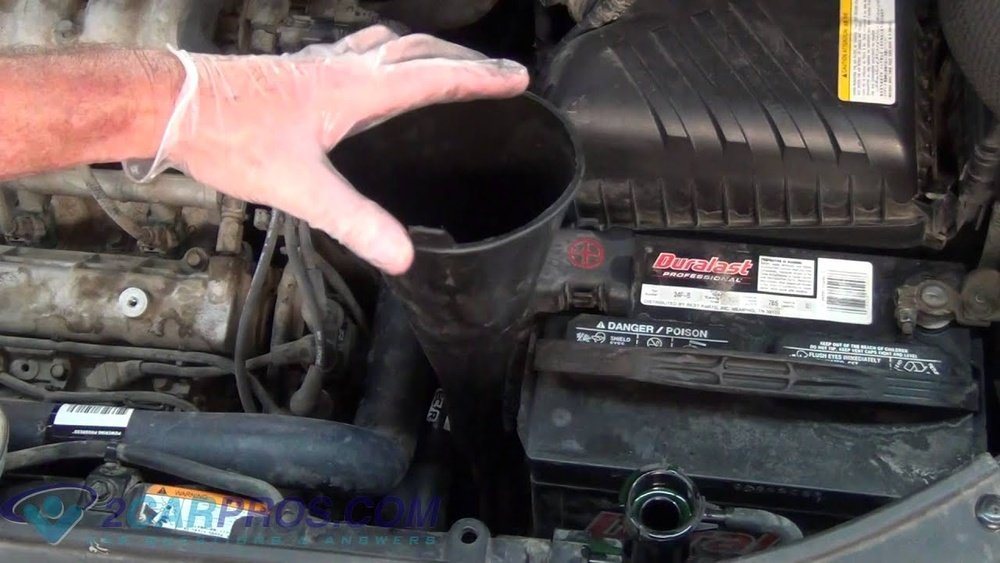
Insert a funnel into the transmission dipstick tube to pour in the new fluid. Pour slowly and watch the fluid level. Stop frequently to check the level using the dipstick. The fluid should be between the “Full” and “Add” marks on the dipstick.
Run the engine for a few minutes after filling, then recheck the level. Add more fluid only if needed. Proper fluid level ensures the transmission works without slipping or overheating.
Check Fluid Level And Finish
After refilling the transmission fluid in your 2010 Kia Sportage, checking the fluid level ensures proper transmission function. This step confirms that the fluid amount matches the manufacturer’s specifications. Proper fluid level prevents transmission damage and improves shifting performance. Follow the steps below to finalize the process safely and accurately.
Start Engine And Check Level
Start the engine and let it idle. Keep the parking brake on for safety.
Shift the gear selector through all positions briefly. Return it to Park.
Open the hood and locate the transmission dipstick. Pull it out carefully.
Wipe the dipstick clean with a lint-free cloth before reinserting it fully.
Remove the dipstick again and check the fluid level. It should be between the “Full” and “Add” marks.
Check the fluid color. It should be bright red and clear. Dark or burnt fluid needs replacement.
Tighten Drain Plug And Clean Up
Ensure the drain plug is securely tightened to avoid leaks. Use a wrench but do not overtighten.
Clean any spilled fluid around the drain plug and transmission area with a rag.
Dispose of old transmission fluid properly at a recycling center or auto shop.
Replace any covers or skid plates removed during the fluid change.
Close the hood and test drive your Kia Sportage briefly to check for smooth shifting.
Credit: www.kia-forums.com

Credit: www.amsoil.ca
Frequently Asked Questions
How Much Transmission Fluid Does A 2010 Kia Sportage Take?
The 2010 Kia Sportage requires approximately 6. 9 quarts (6. 5 liters) of automatic transmission fluid for a full service. Check your owner’s manual for exact specifications and fluid type.
How Often Should I Change The Transmission Fluid On My Kia Sportage?
Change the transmission fluid on your Kia Sportage every 30,000 to 60,000 miles. Check your owner’s manual for exact intervals. Regular fluid changes ensure smooth shifting and extend transmission life.
Can I Change The Transmission Fluid Myself?
Yes, you can change the transmission fluid yourself. Use the correct fluid type and follow your vehicle’s manual instructions carefully. Ensure the engine is warm and dispose of old fluid properly.
How Many Quarts Of Transmission Fluid Does A Kia Sportage Take?
A Kia Sportage typically requires about 7 to 9 quarts of transmission fluid. Check the owner’s manual for exact capacity.
How Often Should I Change Transmission Fluid On 2010 Kia Sportage?
Kia recommends changing transmission fluid every 30,000 to 60,000 miles. Check your owner’s manual for exact intervals. Regular changes keep the transmission running smoothly.
Conclusion
Changing the transmission fluid in your 2010 Kia Sportage keeps it running smoothly. Clean fluid helps protect your transmission parts from wear. Regular changes prevent costly repairs and extend vehicle life. Follow the steps carefully and use the right fluid type.
Taking time for this task saves money and hassle later. Drive with confidence knowing your transmission stays healthy.