How to Change 2010 Kia Sportage Transmission Fluid: Easy Step-by-Step Guide
If you want your 2010 Kia Sportage to run smoothly and avoid costly repairs, changing the transmission fluid is key. You might think this is a job for the pros, but with the right guidance, you can do it yourself and save money.
You’ll learn exactly how to change your Kia Sportage’s transmission fluid step-by-step. From gathering the right tools to checking fluid levels, we’ll walk you through the entire process in simple terms. Keep reading—your transmission will thank you!
Tools And Materials Needed
Before changing the transmission fluid in your 2010 Kia Sportage, gather all necessary tools and materials. Having everything ready saves time and makes the process smoother. Use the right equipment to avoid damage and ensure a proper fluid change.
Transmission Fluid
Use the fluid type specified in the owner’s manual. For the 2010 Kia Sportage, automatic transmission fluid (ATF) is required. Check the manual for the exact brand and specifications.
Drain Pan
A drain pan is essential to catch the old transmission fluid. Choose one that holds at least 5 quarts to avoid spills. Place it under the transmission drain plug for easy collection.
Socket Wrench Set
Use a socket wrench set to remove the drain plug and fill plug. A 17mm or 19mm socket usually fits, but verify the size on your vehicle. A ratchet handle helps loosen and tighten bolts efficiently.
Transmission Funnel
A transmission funnel has a long, narrow spout that fits into the dipstick tube. It helps pour new fluid without spilling. Use a clean funnel to prevent contamination.
Clean Rags Or Paper Towels
Keep clean rags or paper towels handy. Use them to wipe any spills and clean the dipstick before checking fluid levels. Cleanliness is key to avoid dirt entering the transmission.
Gloves And Safety Glasses
Wear gloves to protect your hands from hot fluid and chemicals. Safety glasses protect your eyes from splashes. Safety gear ensures a safer working environment.
Car Jack And Jack Stands
Use a car jack and jack stands to lift and secure your Kia Sportage. This gives you safe access to the transmission drain plug underneath the vehicle. Never work under a car supported only by a jack.
Credit: www.kia-forums.com
Locating Transmission Components
Locating the transmission components on your 2010 Kia Sportage is the first step. Knowing their exact positions makes the fluid change easier and safer. The transmission is under the vehicle, near the engine and driveshaft. Certain parts are visible from the engine bay, but some need you to look underneath. Prepare your tools and get ready to spot the key parts.
Identifying The Transmission Dipstick
The transmission dipstick helps check fluid levels. It usually has a brightly colored handle. On the 2010 Kia Sportage, find it near the back of the engine bay. Pull the dipstick out carefully to inspect the fluid. This part also serves as the refill point after draining the old fluid.
Finding The Transmission Drain Plug
The drain plug is under the vehicle on the transmission pan. It allows the old fluid to drain out. Use a jack and stands to lift the car safely. The plug is a small bolt, often on the lowest point of the transmission pan. Make sure to have a container ready to catch the fluid.
Locating The Transmission Fill Plug
The fill plug is sometimes separate from the dipstick tube. It can be on the side of the transmission case. This plug helps add new fluid after draining. It may be harder to reach, so prepare tools like a wrench or socket set. Ensure the vehicle is level before adding fluid.
Draining Old Transmission Fluid
Draining old transmission fluid is the first essential step in changing the fluid for a 2010 Kia Sportage. This process removes the used fluid that carries dirt and metal particles. Removing the old fluid helps protect the transmission and ensures the new fluid works properly.
Start by preparing your vehicle and workspace. Gather necessary tools and safety gear. The transmission fluid drains best when the engine is warm but not hot. Warm fluid flows out faster and carries more contaminants.
Locate The Transmission Drain Plug
Slide under the vehicle with a flashlight. Find the transmission pan beneath the engine. Look for a small bolt or plug at the bottom of the pan. This is the drain plug. Not all models have a drain plug, so check your owner’s manual.
Place A Drain Pan Underneath
Position a large drain pan directly below the drain plug. The pan should be wide enough to catch all the fluid. Transmission fluid can spill quickly, so use a pan with high sides to avoid mess.
Remove The Drain Plug Carefully
Use the correct size wrench or socket to turn the drain plug counterclockwise. Loosen the plug slowly. Fluid will start to drip out immediately. Remove the plug completely after most fluid has drained. Be ready to catch the fluid.
Allow Fluid To Drain Fully
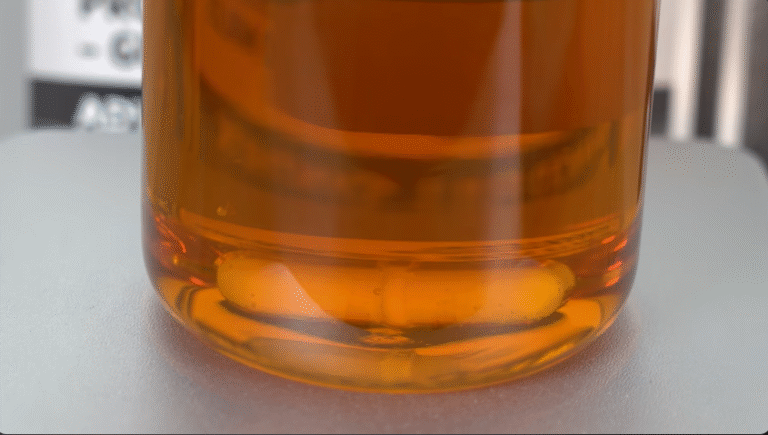
Let the transmission fluid drain for several minutes. Patience is key for a full drain. Check the fluid color and smell. Dark, burnt-smelling fluid means it’s time to change. After draining, clean the drain plug and replace its washer if needed.
Reinstall The Drain Plug Securely
Put the drain plug back into the transmission pan. Tighten it firmly but avoid over-tightening. Over-tightening can strip the threads or cause leaks. Use a torque wrench if available to apply the correct tightness.

Credit: www.amsoil.ca
Refilling With New Transmission Fluid
Refilling the transmission with new fluid is a key step in maintaining your 2010 Kia Sportage. Fresh fluid keeps the transmission running smoothly and prevents damage. Use the correct type of fluid specified in your owner’s manual to ensure proper function.
Using a clean funnel makes the process easier and avoids spills. Pour the fluid slowly to allow it to flow into the transmission without air pockets. Overfilling can cause problems, so add the fluid carefully.
Locate The Transmission Dipstick Tube
Open the hood and find the transmission dipstick tube. It is usually near the engine, marked with a bright handle. This tube is where you will pour the new fluid.
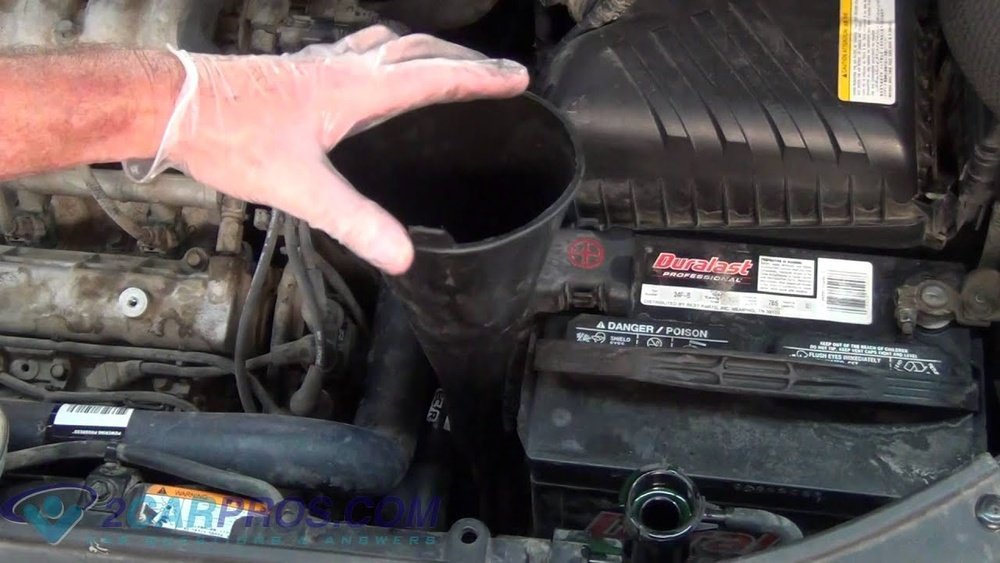
Use A Transmission Fluid Funnel
Insert a narrow funnel into the dipstick tube. This helps guide the fluid and prevents messes. Make sure the funnel fits snugly to avoid spills.
Pour The New Transmission Fluid
Slowly pour the fluid into the funnel. Add small amounts at a time. Check the fluid level often to avoid overfilling. Stop pouring once the level reaches the full mark on the dipstick.
Check The Fluid Level
After adding fluid, wait a few minutes. Then, pull the dipstick out, wipe it clean, and reinsert it fully. Pull it out again to check the level. The fluid should be between the “full” and “add” marks.
Replace The Dipstick
Once the level is correct, firmly replace the dipstick. Ensure it is seated properly to prevent leaks or contamination. Close the hood and start the engine to warm the fluid for a final check.
Checking Fluid Level And Final Steps
Checking the transmission fluid level is vital after adding new fluid. It ensures the right amount protects your transmission. Too much or too little fluid can cause shifting problems or damage.
Follow these final steps carefully to complete the transmission fluid change. Proper checking and sealing will keep your 2010 Kia Sportage running smoothly.
Checking Transmission Fluid Level
Start the engine and let it idle. Keep the parking brake on.
Shift through all gears slowly, ending in Park or Neutral as per the owner’s manual. This helps circulate the fluid.
Open the hood and locate the transmission dipstick. It usually has a bright handle.
Pull out the dipstick and wipe it clean with a lint-free cloth.
Reinsert the dipstick fully, then pull it out again to check the level.
The fluid should be between the “Full” and “Add” marks on the dipstick.
If the level is low, add the recommended transmission fluid slowly. Use a funnel to avoid spills.
Final Steps After Checking Fluid
Once the fluid level is correct, reinsert the dipstick securely.
Inspect the drain and fill plugs for tightness to prevent leaks.
Wipe away any spilled fluid around the transmission area.
Close the hood and take the car for a short drive to warm up the transmission.
Park on a level surface and recheck the fluid level once more.
Adjust as needed, then secure the dipstick and close the hood firmly.
Your transmission fluid change is complete. Proper fluid level means better performance and longer transmission life.

Credit: www.youtube.com
Frequently Asked Questions
How Much Transmission Fluid Does A 2010 Kia Sportage Take?
A 2010 Kia Sportage requires about 6 to 7 quarts of automatic transmission fluid for a full change.
How Often Should I Change The Transmission Fluid On My Kia Sportage?
Change the transmission fluid on your Kia Sportage every 30,000 to 60,000 miles. Check your owner’s manual for exact intervals. Regular fluid changes help maintain smooth shifting and extend transmission life. Always use the recommended fluid type for best performance.
Can I Change The Transmission Fluid Myself?
Yes, you can change transmission fluid yourself if you have the right tools and follow your vehicle’s manual instructions carefully.
How Many Quarts Of Transmission Fluid Does A Kia Sportage Take?
A Kia Sportage typically requires about 6 to 8 quarts of transmission fluid. Check your owner’s manual for exact capacity.
How Often Should I Change My 2010 Kia Sportage Transmission Fluid?
Kia recommends changing the transmission fluid every 30,000 to 60,000 miles. Regular changes help keep the transmission running smoothly. Check your owner’s manual for exact intervals.
Conclusion
Changing the transmission fluid in your 2010 Kia Sportage keeps the vehicle running smoothly. Regular fluid changes prevent costly repairs and improve shifting performance. Follow the steps carefully to avoid mistakes. Use the correct type and amount of fluid as your manual states.
Checking fluid levels after filling ensures proper operation. This simple maintenance task helps extend your Sportage’s transmission life. Stay consistent with fluid changes for the best results. Your car will thank you with better reliability and performance on the road.