How to Check Your Brake Pads Without Removing Wheel: Easy Steps
Your brakes are one of the most important parts of your car. But did you know you can check your brake pads without taking off your wheels?
It’s easier than you think and can save you time and money. Knowing how to spot worn brake pads early helps you stay safe on the road and avoid costly repairs. Keep reading to learn simple steps you can follow right now to check your brake pads quickly and confidently.
Tools Needed For Inspection
Checking your brake pads without removing the wheel is simple with the right tools. These tools help you see the brake pads clearly and measure their thickness. Using basic tools, you can inspect your brakes safely and quickly.
Flashlight
A bright flashlight is key to seeing inside the wheel area. It helps you spot the brake pads through the gaps. Choose a flashlight that fits easily into tight spaces.
Brake Pad Gauge Or Ruler
A brake pad gauge measures the thickness of the pads accurately. A small ruler can also work to check if the pads are worn out. Knowing the thickness helps decide if replacement is needed.
Mirror
A small mirror allows you to see hard-to-reach spots behind the wheel. It helps you check areas that are not directly visible. A mirror with a handle makes this task easier.
Gloves
Wearing gloves keeps your hands clean and protected. Brake dust can be dirty and irritating. Gloves give a good grip and improve safety during inspection.
Car Jack And Stands (optional)
You might need a car jack to lift the vehicle slightly for better access. Jack stands keep the car stable and safe while inspecting. Use these only if you cannot see the brake pads clearly without lifting.

Credit: www.youtube.com
Locate The Brake Caliper
Locating the brake caliper is the first step in checking your brake pads without removing the wheel. The caliper holds the brake pads and squeezes them against the rotor to stop your car. Knowing where it sits helps you inspect the pads easily.
Finding the caliper is simple. It sits around the edge of the brake disc, which is the shiny, round metal part behind the wheel. The caliper looks like a clamp or a small metal box.
Identify The Brake Rotor
The brake rotor is the large, flat disc behind the wheel. It spins when your car moves. You can see part of it through the gaps in the wheel spokes. The caliper wraps around a section of this rotor.
Spot The Caliper Body
The caliper is a metal piece mounted over the rotor. It usually has two halves that pinch the rotor. Look for a part that covers the rotor’s edge and holds the brake pads inside.
Find The Brake Pads Inside The Caliper
Brake pads sit inside the caliper and press against the rotor. You can see the outer edge of the pads by looking through the caliper. They are thinner than the rotor and have a different color or texture.
Identify Brake Pad Thickness
Checking your brake pad thickness helps you know when to replace them. Thin brake pads reduce stopping power and can damage your brakes. You can measure the pads without removing the wheel.
Locate The Brake Caliper Window
Find the small opening on the brake caliper. This window lets you see the brake pads. It is usually near the rotor edge. Use a flashlight to get a better view inside.
Measure The Visible Pad Material
Look through the caliper window to see the pad lining. Measure the thickness from the backing plate to the friction material. Use a ruler or brake pad gauge for accuracy. New pads usually have 8 to 12 millimeters.
Compare Thickness To Safety Limits
Check the pad thickness against recommended limits. Most pads should be replaced at 3 millimeters or less. Thin pads can cause brake noise and poor braking. Replace pads soon to keep safe driving.

Credit: www.wagnerbrake.com
Spot Signs Of Wear And Damage
Spotting signs of wear and damage on brake pads helps keep your car safe. You do not need to remove the wheel to check them. Just a careful look can reveal problems early. This saves money and prevents accidents.
Visual Signs Of Brake Pad Wear
Look through the spaces between the wheel spokes. The brake pads sit inside near the disc. Check if the pad material looks very thin. Pads thinner than 1/4 inch need attention. Uneven wear on pads also signals trouble.
Check For Cracks And Damage
Cracks or chunks missing from the pad surface weaken brakes. Examine the visible area for any breaks or deep grooves. Damaged pads reduce stopping power and can cause noise. Replace pads showing these signs immediately.
Listen For Warning Noises
Squealing or screeching sounds when braking mean worn pads. These noises come from a small metal indicator on the pad. The sound warns you before the pad wears out completely. Pay attention and inspect your pads if you hear noise.
When To Replace Brake Pads
Brake pads should be checked regularly for wear to keep your car safe. You can see their condition by looking through the spaces in the wheel without removing it. Thin or worn pads mean it’s time to replace them.
Signs Your Brake Pads Need Replacement
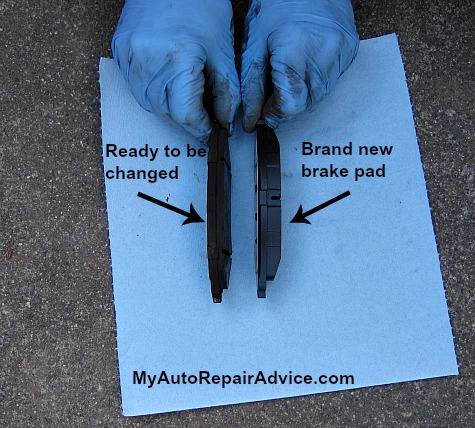
Brake pads wear out over time and need timely replacement. Listen for squealing or grinding noises when braking. These sounds mean your brake pads are very thin. Feel for vibrations or a pulsing brake pedal. These can signal uneven wear or damage. Notice longer stopping distances. This shows reduced brake pad effectiveness.
Brake Pad Thickness Check
Brake pads usually start at about 10-12 millimeters thick. Replace them when thickness reaches 3 millimeters or less. Thin pads can cause brake failure. Use a flashlight to see the pad through the wheel spokes. Look for the metal backing plate touching the rotor. This means the brake pad is worn out.
Dashboard Brake Warning Light
Modern cars have brake warning lights. This light can indicate worn brake pads. It can also signal low brake fluid or other issues. Do not ignore this warning. Check your brake pads promptly to avoid accidents.
Credit: www.myautorepairadvice.com
Frequently Asked Questions
How Can I See Brake Pad Thickness Without Removing The Wheel?
Look through the spaces in the wheel to find the brake pads. The pads are near the brake rotor and should be at least 1/4 inch thick.
What Tools Help Check Brake Pads Without Wheel Removal?
A flashlight helps you see the brake pads clearly through the wheel gaps. A ruler or brake pad gauge can measure pad thickness accurately.
How Often Should I Inspect Brake Pads Without Removing Wheels?
Check brake pads every 6,000 miles or when you hear squeaking brakes. Regular checks help catch wear before it becomes dangerous.
Can Worn Brake Pads Be Seen Without Removing The Wheel?
Yes, worn brake pads look very thin or almost gone through the wheel gaps. If pads are less than 1/8 inch, they need replacement soon.
Conclusion
Checking your brake pads without removing the wheel saves time and effort. Regular inspections help keep your brakes safe and working well. Use a flashlight and look through the gaps in the wheel. Notice the thickness of the brake pads.
Thin pads need replacement soon. Doing this simple check often prevents costly repairs. Stay safe by watching your brake condition closely. Keep your car ready for the road with easy brake pad checks.