
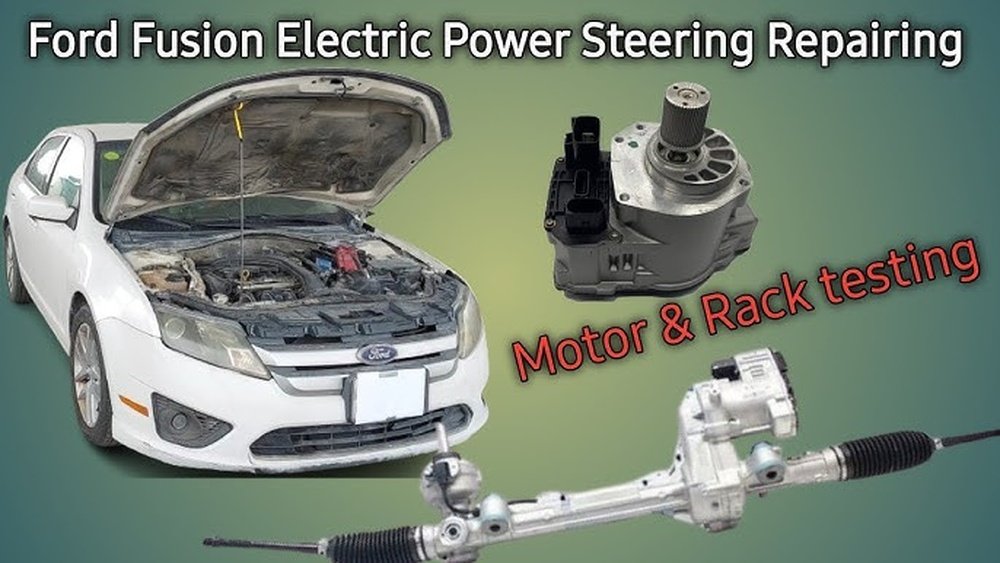
How to Fix 2010 Ford Fusion Electric Power Steering: Quick Solutions
Is your 2010 Ford Fusion’s electric power steering acting up? You’re not alone.
When your steering feels heavy or unresponsive, it can turn simple drives into stressful experiences. But don’t worry—fixing this issue might be easier than you think. In this guide, you’ll learn clear, step-by-step solutions to get your power steering back on track.
Keep reading, and you’ll soon have the confidence to tackle the problem yourself and enjoy smooth, safe driving again.

Credit: www.amazon.com
Common Causes Of Eps Failure
Electric Power Steering (EPS) failure is a common issue in the 2010 Ford Fusion. Understanding the main causes helps in quick diagnosis and repair. EPS problems can affect steering control and safety. Knowing what causes these failures makes fixing easier and faster.
Faulty Eps Motor
The EPS motor helps turn the steering wheel with less effort. Over time, this motor can wear out or stop working. Heat, moisture, or age can damage the motor. A faulty motor means the steering feels heavy or unresponsive.
Damaged Steering Angle Sensor
The steering angle sensor tells the EPS system how much the wheel turns. If this sensor breaks, the EPS cannot work correctly. Faulty readings cause the EPS light to come on. This sensor failure can make steering unstable or jerky.
Worn Out Eps Control Module
The control module controls the power steering system. It processes data from sensors and controls the motor. If this module malfunctions, the EPS may stop working. Electrical problems or software errors can cause module failure.
Battery Or Electrical Issues
EPS needs a steady power supply from the battery. Low battery voltage or bad wiring can disrupt the system. Loose connections or blown fuses may cause EPS failure. Electrical issues often trigger warning lights on the dashboard.
Steering Column Problems
The steering column links the wheel to the EPS system. Damage or wear in this part can affect power steering. Loose or broken parts in the column reduce steering assist. This can lead to a heavy or stiff steering feel.
Diagnosing Power Steering Issues
Diagnosing power steering issues in a 2010 Ford Fusion is the first step to fixing them. Understanding the problem helps you avoid unnecessary repairs. It saves time and money. This guide will help you find common symptoms and check key components.
Checking For Warning Lights
The power steering system often shows a warning light on the dashboard. Look for the electric power steering (EPS) warning light. If it is on, the system has detected a problem. This warning helps you know the issue early.
Listening For Unusual Noises
Strange sounds can reveal power steering troubles. Listen for whining or grinding noises when turning the wheel. These sounds may indicate a failing motor or worn parts. Quiet operation means the system is likely fine.
Feeling The Steering Response
Pay attention to how the steering feels. Hard steering or slow response can mean low fluid or a faulty motor. Smooth and easy steering shows the system works well. Changes in steering effort need immediate attention.
Inspecting The Power Steering Motor
The electric power steering motor is a key part. Check it for signs of damage or wear. Look for loose wires or corrosion on connectors. A damaged motor can cause power steering failure.
Scanning For Diagnostic Trouble Codes
Use an OBD-II scanner to read error codes. Codes related to EPS help pinpoint the problem. This tool gives exact information about sensor or motor faults. Clear codes after repair to reset the system.
Resetting The Eps System
Resetting the Electric Power Steering (EPS) system is a key step in fixing steering issues in a 2010 Ford Fusion. The EPS system controls the steering assist using electric motors. Sometimes, errors or glitches disrupt its normal function. Resetting can clear these errors and restore smooth steering.
This process does not require special tools. It involves simple steps you can do yourself. Resetting helps the EPS system recalibrate and detect any faults. This often solves minor problems without replacing parts.
Locate The Eps Fuse
Start by finding the EPS fuse in the fuse box. The fuse box is usually under the dashboard or in the engine compartment. Check the owner’s manual for the exact location. Removing the fuse cuts power to the EPS system.
Disconnect The Battery
Next, disconnect the negative battery cable. This step ensures no power flows through the EPS system. Leave it disconnected for about 10 minutes. This allows the system to reset fully.
Reinstall The Fuse And Reconnect Battery
After waiting, put the EPS fuse back in place. Reconnect the negative battery cable tightly. This restores power to the steering system. The EPS should now be reset and ready to recalibrate.
Turn The Steering Wheel
Turn the steering wheel fully from left to right a few times. Do this while the car is off. This helps the EPS system learn the steering range again. It improves the system’s accuracy and response.
Replacing The Power Steering Components
Replacing the power steering components in a 2010 Ford Fusion is a key step to restore smooth steering. Over time, parts wear out or fail, causing stiffness or noise. Changing these parts can bring back proper steering performance and safety.
This process requires some tools and patience. Focus on each component carefully and follow the steps to avoid mistakes. Understanding the main parts helps with the repair.
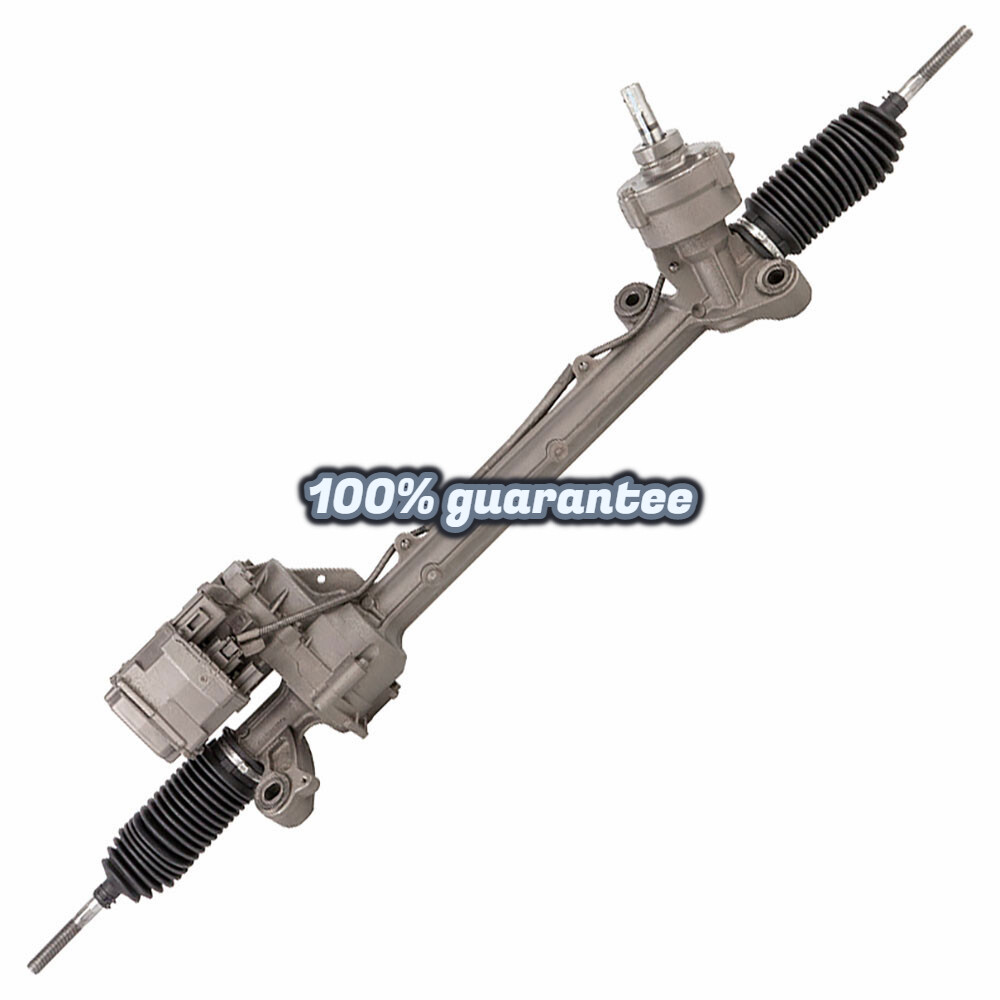
Removing The Old Power Steering Rack
Start by lifting the front of the car safely. Remove the front wheels for better access. Locate the power steering rack under the car. Disconnect the tie rod ends from the steering knuckles.
Next, detach the hydraulic lines from the rack. Be ready for some fluid to leak out. Unbolt the rack from the frame carefully and pull it out. Keep track of all bolts and parts for reassembly.
Installing The New Power Steering Rack
Place the new power steering rack in position. Bolt it tightly to the frame. Reconnect the hydraulic lines securely to prevent leaks. Attach the tie rod ends back to the steering knuckles.
Double-check all connections and bolts. Ensure the rack moves smoothly without resistance. This step is crucial for proper steering function.
Replacing The Power Steering Pump
Locate the power steering pump under the hood. Remove the belt by loosening the tensioner pulley. Disconnect the hydraulic lines from the pump carefully.
Unbolt the old pump and remove it. Install the new pump in place. Bolt it securely and reconnect the hydraulic lines. Reinstall the belt and adjust the tension.
Refilling And Bleeding The Power Steering System
Use the recommended power steering fluid for the 2010 Ford Fusion. Fill the reservoir with the correct amount of fluid. Start the engine and turn the steering wheel from lock to lock slowly.
This process removes air from the system. Check the fluid level again and add more if needed. Ensure no leaks appear during this step.
Preventive Maintenance Tips
Preventive maintenance helps keep the electric power steering system in top shape. It reduces the risk of sudden failures. Regular care extends the life of your 2010 Ford Fusion’s steering system. Small checks and fixes can save money and trouble later.
Check Power Steering Fluid Regularly
Even though the 2010 Fusion uses electric power steering, some models may still have fluid. Check the fluid level every month. Low fluid can cause steering problems. Top it up with the right type if needed. Clean fluid helps the system work smoothly.
Inspect Steering Components
Look at the steering rack and tie rods often. Check for any wear or damage. Loose parts can cause poor steering response. Tighten or replace worn parts quickly. This keeps steering control strong and safe.
Keep Battery And Electrical System Healthy
The electric power steering depends on the car’s battery and wiring. Check the battery charge and terminals for corrosion. Clean terminals to ensure good connection. Faulty wiring can cause steering failure. Fix any electrical problems right away.
Listen For Unusual Noises
Steering noises can signal trouble. Clicking, whining, or grinding sounds need attention. These noises often mean worn parts or low fluid. Early detection lets you fix issues before they get worse.
Schedule Regular Professional Inspections
Have a mechanic inspect the power steering system yearly. They spot issues that are hard to see. Professionals can test electronic parts and sensors. Early repairs keep the steering system reliable and safe.
Credit: www.ebay.com

Credit: www.youtube.com
Frequently Asked Questions
What Causes Electric Power Steering Failure In A 2010 Ford Fusion?
Electric power steering failure often comes from a bad motor, faulty sensors, or wiring issues. Low battery voltage can also cause steering problems. Checking these parts helps identify the root cause.
How Can I Reset The Electric Power Steering System?
Resetting usually involves disconnecting the battery for about 15 minutes. This can clear error codes and reset the system. Always follow safety steps before disconnecting the battery.
Can I Fix The Power Steering Motor Myself?
Yes, if you have basic tools and know-how, you can replace the motor. Make sure to disconnect the battery and remove the steering column covers first. If unsure, seek professional help.
How Much Does It Cost To Repair Electric Power Steering?
Repair costs vary from $200 to $800 depending on parts and labor. Replacing the motor is usually more expensive than fixing wiring. Getting a quote from a trusted mechanic is best.
Conclusion
Fixing the 2010 Ford Fusion’s electric power steering can save time and money. Start by checking the fuse and wiring for damage. Test the steering angle sensor and electric motor for faults. Clean connections help avoid common issues. Regular maintenance keeps the system working well.
Taking these steps brings smoother, safer drives. Stay patient and follow each step carefully. Your car’s steering will feel better soon.