
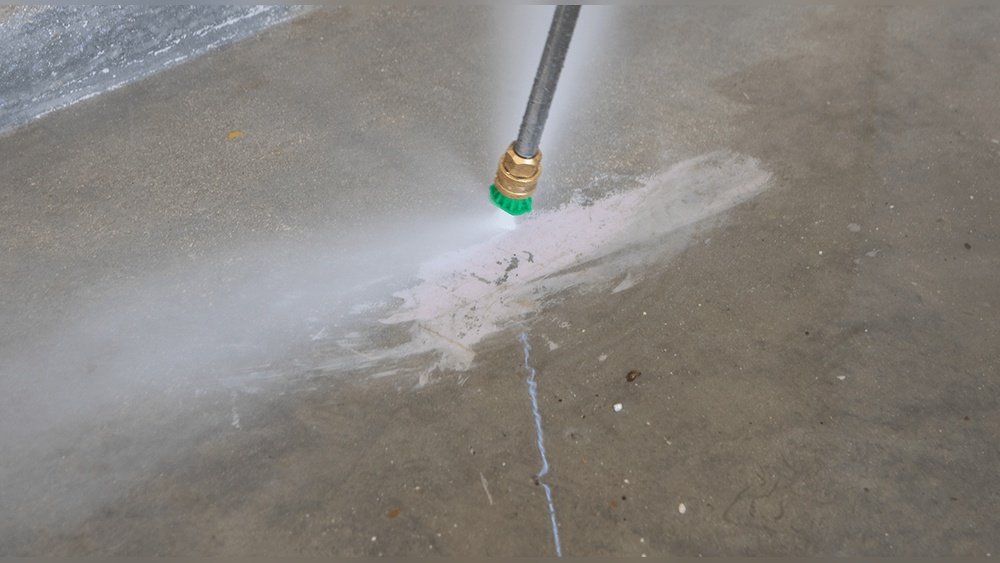
How to Remove Oil Stains from Concrete Garage Floor: Easy & Effective Methods
Are oil stains ruining the look of your concrete garage floor? You’re not alone, and the good news is you don’t have to live with those stubborn spots.
Whether it’s from a car leak or a dropped oil can, these stains can be frustrating—and tricky—to remove. But don’t worry, this guide will show you simple, effective ways to get your floor looking clean again. Keep reading, and you’ll learn how to tackle those stains step-by-step, using easy methods that actually work.
Your garage floor will thank you!
Identify The Stain Type
Identifying the type of oil stain on your concrete garage floor is key to removing it effectively. Different stains need different treatments. Knowing the stain type helps you choose the right cleaning method and products.
Concrete can absorb many kinds of oils. Car oil, grease, or cooking oil all leave distinct marks. Some stains are fresh, while others are old and set deep. The age and type of oil affect how you clean the spot.
Visual Inspection Of The Stain
Look closely at the stain’s color and shape. Fresh oil stains are often dark and shiny. Older stains may turn dull and have a rough texture. Grease stains tend to be thicker and sticky. Cooking oil stains might have a yellowish tint.
Check The Stain’s Location
Think about where the stain is on the floor. Stains near vehicles usually come from motor oil or transmission fluid. Stains near workbenches may be grease or paint. Kitchen spills or stored oils can cause different stains.
Test The Stain’s Texture
Touch the stain carefully. Fresh oil feels slick or wet. Older stains might feel dry or gritty. Grease often feels sticky and thick. This helps you decide if the stain is fresh or set in.
Consider The Stain’s Size And Spread
Notice how large the stain is. Oil leaks often form small, round spots. Spills can create wider, irregular stains. Large stains might need stronger cleaning methods or multiple treatments.
Credit: www.reddit.com
Gather Essential Cleaning Supplies
Gathering the right cleaning supplies is the first step to remove oil stains from your concrete garage floor. Having everything ready saves time and makes the job easier. Use safe, effective products designed for concrete surfaces.
Prepare a clean workspace before starting. This helps avoid spreading the stain or dirt.
Cleaning Agents
Choose a strong degreaser or detergent made for oil stains. Cat litter or baking soda can absorb fresh spills. For tough stains, use a concrete cleaner or trisodium phosphate (TSP).
Scrubbing Tools
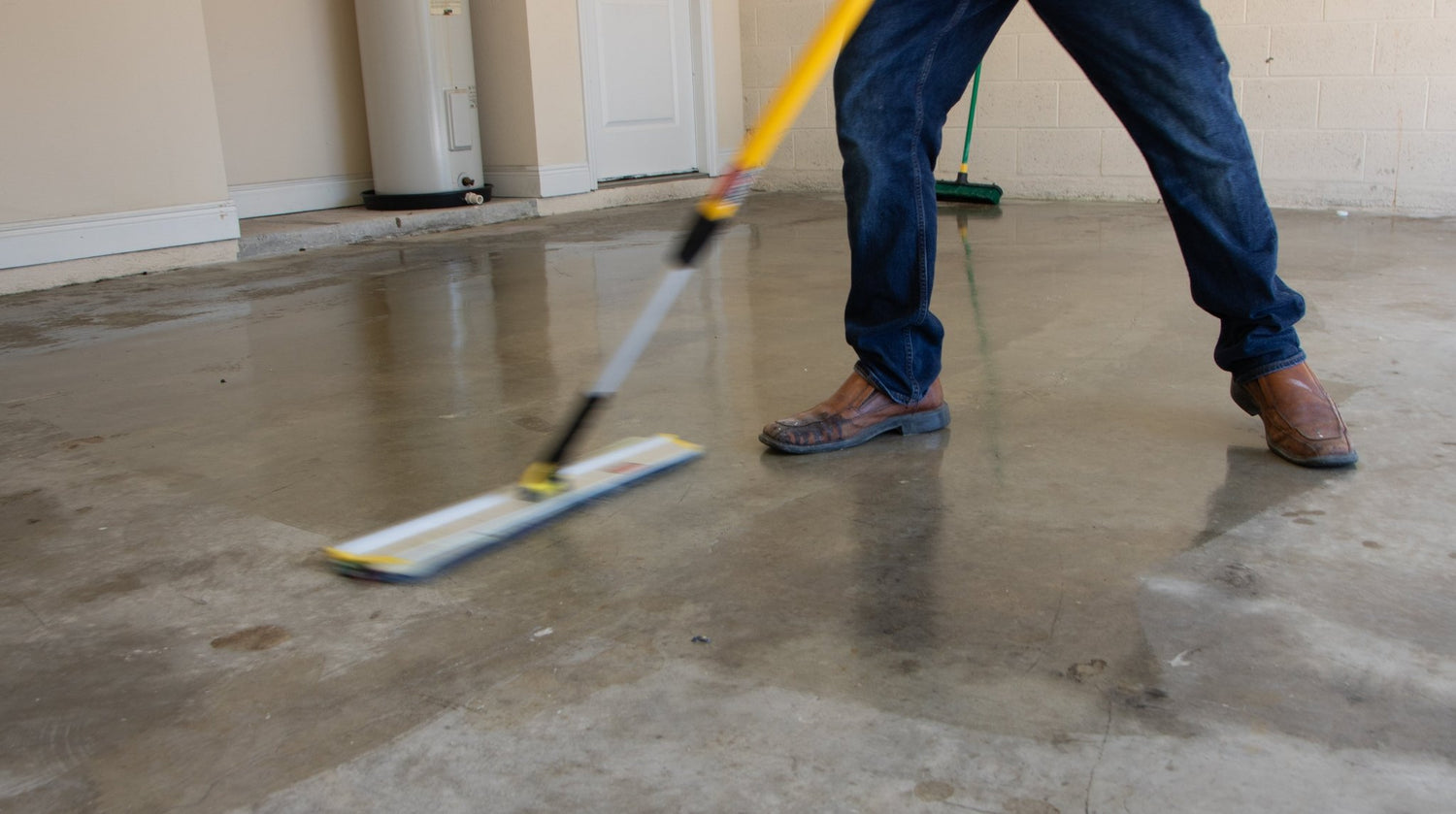
Get a stiff-bristle brush for scrubbing the stain. Avoid soft brushes; they won’t remove deep oil. A push broom can help spread cleaning agents evenly.
Protective Gear
Wear gloves to protect your skin from harsh chemicals. Use safety glasses if splashing is possible. A mask helps if you work with powders or strong cleaners.
Water Supply And Equipment
Have a hose or buckets of water ready for rinsing. A wet/dry vacuum can remove excess water and cleaner. Clean water prevents residue buildup on concrete.
Use Absorbents For Fresh Stains
Oil stains on a concrete garage floor can be tricky to clean. Acting fast helps a lot. Using absorbents is the best first step for fresh oil stains. Absorbents soak up the oil before it sinks deep into the concrete. This stops the stain from getting worse.
Many common household items work well as absorbents. They are easy to find and quick to use. Applying absorbents correctly makes the cleanup easier and more effective.
Choose The Right Absorbent
Look for materials that soak up oil quickly. Cat litter, baking soda, and sawdust work very well. These items trap the oil on the surface. Avoid using cloth or paper towels because they just spread the oil around.
Apply Absorbent Generously
Cover the entire oil stain with a thick layer of absorbent. Make sure no part of the stain is left open. Let it sit on the stain for 15 to 30 minutes. The longer it sits, the more oil it soaks up.
Remove And Dispose Of Absorbent Safely
Use a broom or dustpan to sweep up the absorbent carefully. Avoid pushing the stain around. Place the used absorbent in a sealed bag. Dispose of it according to local waste rules to keep the environment safe.
Credit: xtremepolishingsystems.com
Apply Homemade Cleaning Solutions
Homemade cleaning solutions offer a cheap and easy way to remove oil stains from concrete floors. These solutions use simple ingredients found in most homes. They work well on fresh and older stains. You can apply them without harsh chemicals.
Using homemade cleaners helps protect your garage floor. They also reduce risks to your health and the environment. The next sections explain how to prepare and use these solutions.
Using Baking Soda And Dish Soap
Mix a cup of baking soda with a few drops of dish soap. Add water to make a thick paste. Spread the paste over the oil stain. Let it sit for 15 to 30 minutes. Scrub the area with a stiff brush. Rinse with warm water. Repeat if the stain stays.
Applying Vinegar And Baking Soda
Sprinkle baking soda directly on the stain. Pour white vinegar over the baking soda. It will fizz and bubble. Let it sit for 10 to 15 minutes. Scrub the stain using a brush. Rinse the area with clean water. This method breaks down oil and lifts it away.
Using Cornstarch Or Baby Powder
Cover the oil stain with cornstarch or baby powder. Leave it overnight to absorb the oil. Sweep or vacuum the powder the next day. For tough stains, repeat this process. This method works best on fresh spills.
Try Commercial Degreasers For Tough Stains
Oil stains on concrete garage floors can be stubborn. Simple cleaning methods may not work well for tough stains. Commercial degreasers offer strong cleaning power to break down and lift oil from concrete surfaces. They are specially designed to tackle heavy grease and oil spots.
Using commercial degreasers saves time and effort. These products penetrate deep into the concrete pores. This helps remove oil that has soaked in over time. Many degreasers also prevent the stain from coming back quickly.
Choose The Right Degreaser
Select a degreaser made for concrete surfaces. Check the product label for use instructions. Some degreasers work better on fresh stains, others on older spots. Pick a product safe for your garage floor material.
Prepare The Area Properly
Clear the garage floor of dirt and debris first. Sweep or vacuum the area well. Wet the stained spot with water to help the degreaser spread evenly. This improves cleaning results.
Apply And Scrub The Degreaser
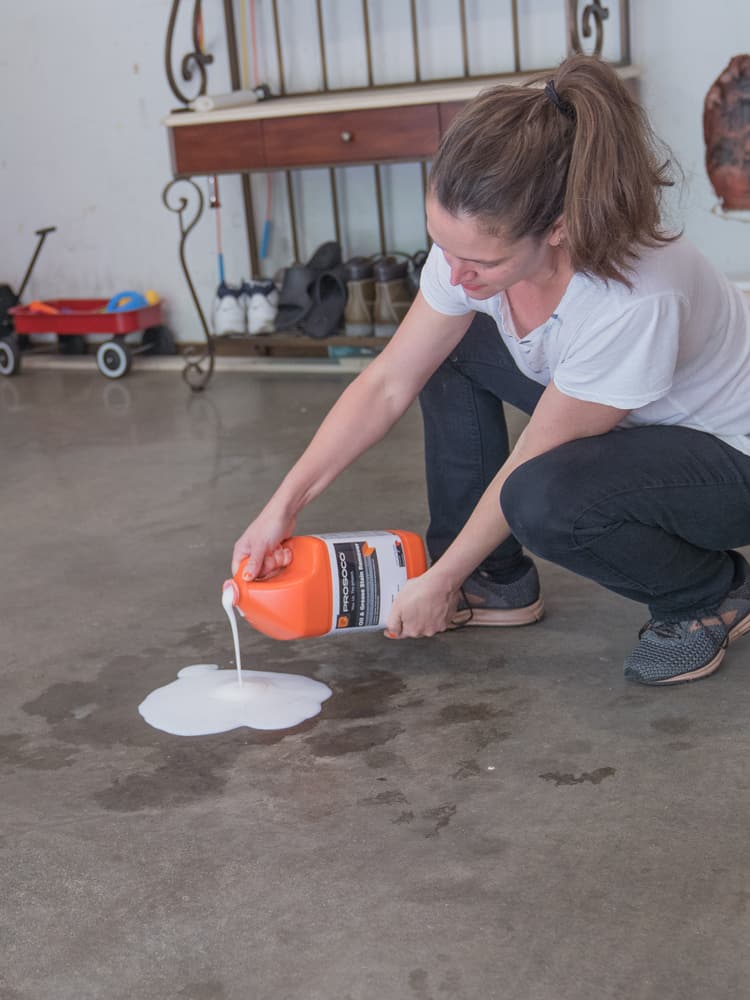
Pour or spray the degreaser on the stain. Let it sit for the recommended time, usually 10 to 15 minutes. Use a stiff brush to scrub the stain in circular motions. This helps lift the oil out of the concrete.
Rinse Thoroughly With Water
After scrubbing, rinse the area with clean water. Remove all degreaser residue to avoid slipperiness. Use a hose or buckets of water to flush the spot well. Repeat the process if the stain remains visible.
Credit: prosoco.com
Frequently Asked Questions
How Do I Clean Fresh Oil Stains On Concrete?
Blot fresh oil with paper towels to soak up excess. Sprinkle baking soda or kitty litter to absorb the rest. Scrub gently with soap and water afterward.
What Household Items Remove Old Oil Stains From Concrete?
Use baking soda, dish soap, and warm water for old stains. Apply baking soda, scrub with soap, then rinse well. Repeat if necessary to lighten the stain.
Can Pressure Washing Remove Oil Stains On Garage Floors?
Pressure washing helps but may not fully remove deep oil stains. Use a degreaser before washing for better results. Rinse thoroughly to avoid slippery surfaces.
Is It Safe To Use Commercial Cleaners On Concrete Floors?
Yes, but choose cleaners made for concrete surfaces. Follow instructions carefully to avoid damage or discoloration. Test a small area first to check safety.
Conclusion
Removing oil stains from your concrete garage floor takes time and care. Use the right cleaning products and scrub gently. Act quickly to avoid deep stains. Repeat the process if needed for better results. Keep your garage clean to prevent future spills.
A clean floor looks nice and lasts longer. Small efforts today save big troubles tomorrow. Stay patient, and your garage floor will shine again.