
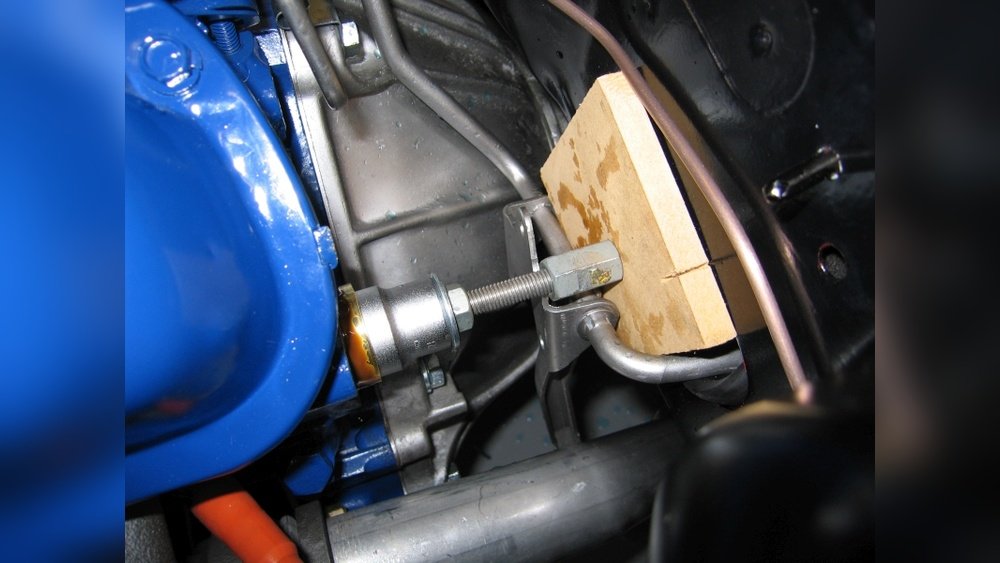
How to Replace Freeze Plugs Without Removing Engine: Easy DIY Guide
If you’ve noticed coolant leaking or your engine overheating, a faulty freeze plug could be the culprit. But the thought of removing your entire engine to fix it?
That sounds overwhelming and time-consuming. What if you could replace those freeze plugs without taking the engine out? In this guide, you’ll discover simple, step-by-step methods to tackle the job right where your engine sits. Keep reading, and you’ll learn how to save time, avoid costly repairs, and get your vehicle running smoothly again—without the hassle of a full engine removal.

Credit: www.youtube.com
Signs Of A Faulty Freeze Plug
Coolant leaks and engine overheating often signal a bad freeze plug. Rust or wet spots near the plug area also indicate problems. Catching these signs early helps prevent bigger engine damage.
Freeze plugs protect the engine block from damage caused by freezing coolant. Over time, these plugs can corrode or leak. Catching the signs early helps avoid costly repairs.
Watch out for unusual coolant leaks. A small puddle under your car can mean a freeze plug is failing. The location of the leak near the engine block is a key clue.
Coolant Leaks Near The Engine Block
Coolant dripping near the engine block is a common sign. Freeze plugs seal holes in the engine block, so leaks here are suspicious. Check for wet spots or stains on the engine’s side.
Overheating Engine
A leaking freeze plug lowers coolant levels. Low coolant causes the engine to overheat. Notice if the temperature gauge rises quickly after starting your car.
Rust Or Corrosion On The Freeze Plug
Rust weakens freeze plugs, leading to leaks. Inspect the freeze plugs for any rust or corrosion signs. Rusty plugs need prompt replacement to prevent damage.
Unusual Noises From The Engine
Loose or damaged freeze plugs can cause tapping sounds. These noises often come from the engine block area. Listen for any new or strange engine noises during operation.
Tools And Materials Needed
Replacing freeze plugs without removing the engine requires specific tools and materials. Having the right items ensures the job goes smoothly. It also helps avoid damage to the engine or surrounding parts.
This list covers all essentials. Each tool and material plays a key role in the process. Prepare them before starting the repair.
Basic Hand Tools
Wrenches and sockets are needed to remove engine covers and bolts. A ratchet set saves time and effort. Screwdrivers help pry or loosen parts carefully. A hammer is useful for tapping out old plugs.
Freeze Plug Removal Tools
A freeze plug removal tool or slide hammer makes pulling out old plugs easier. Sometimes, a punch or chisel helps loosen stuck plugs. These tools reduce the risk of damaging the engine block.
Replacement Freeze Plugs
Get new freeze plugs that match the engine’s specifications. Use high-quality plugs to prevent leaks and rust. Make sure they fit snugly to avoid future problems.
Sealant And Lubricants
Sealant helps create a tight seal around the new plugs. Choose a sealant that resists heat and coolant. Lubricants ease the installation of plugs and prevent damage during insertion.
Cleaning Supplies
Clean the freeze plug holes before installing new plugs. Use wire brushes and rags to remove rust and debris. A cleaner surface ensures better sealing and longer-lasting repairs.
Preparing Your Vehicle For Replacement
Start by gathering all needed tools and safety gear before working on your vehicle. Make sure the engine is cool to avoid burns. Clean the area around the freeze plugs for easier access and a better seal.
Gather Essential Tools And Materials
Start by collecting all tools before you begin. You will need a socket set, pliers, a hammer, and replacement freeze plugs. Also, prepare a sealant or anti-corrosion spray. Having everything ready saves time and prevents interruptions.
Ensure The Engine Is Cool
Never work on a hot engine. Wait several hours after driving for the engine to cool completely. Touching hot parts can cause burns. A cool engine also prevents coolant spills from boiling.
Disconnect The Battery
Safety is important. Disconnect the negative terminal of the battery. This avoids accidental electrical shorts or shocks. Use a wrench to loosen the terminal clamp. Set the cable aside carefully.
Drain The Coolant
Drain the cooling system to avoid leaks. Place a container under the radiator drain plug. Open the plug and let the coolant flow out. Dispose of old coolant properly as it is toxic.
Clean The Work Area
Clear dirt and debris around the freeze plugs. Use a brush or rag to wipe the surface. A clean area helps you see the plugs clearly. It also prevents dirt from entering the engine.
Step-by-step Freeze Plug Removal
Removing freeze plugs without taking out the engine saves time and effort. This step-by-step guide helps you do it safely and correctly. Follow each step carefully to avoid damage and leaks.
Gather Necessary Tools And Safety Gear
Start by collecting tools like a hammer, punch, and pliers. Wear safety glasses and gloves for protection. Prepare a drain pan to catch coolant.
Drain The Engine Coolant
Place the drain pan under the radiator. Open the drain valve or remove the lower radiator hose. Let all the coolant flow out before proceeding.
Locate The Freeze Plug
Find the freeze plug on the engine block. Use a flashlight to see clearly. Clean the area around the plug with a wire brush.
Remove The Freeze Plug
Position the punch in the center of the plug. Tap gently with the hammer to loosen it. Pull the plug out with pliers once it moves.
Clean The Freeze Plug Hole
Use a wire brush or sandpaper to clean the hole. Remove rust and debris for a smooth fit. Wipe the area with a clean cloth.
Install The New Freeze Plug
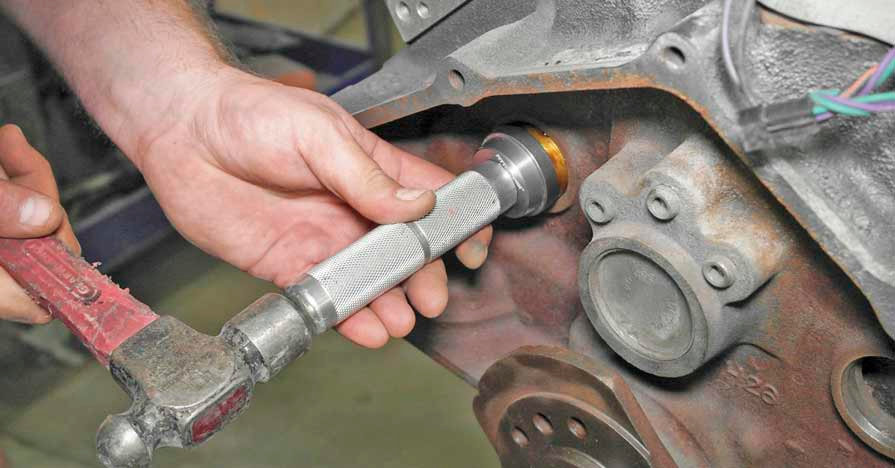
Choose the correct size new freeze plug. Align it with the hole carefully. Tap it gently with a hammer until it sits flush.
Refill The Coolant And Check For Leaks
Close the radiator drain valve or reattach the hose. Refill the radiator with coolant. Start the engine and check for leaks around the plug.
Installing The New Freeze Plug
Installing the new freeze plug is a key step in fixing your engine without removing it. The right fit ensures no leaks and protects the engine from damage. Take your time and follow these steps carefully for the best results.
Preparing The Area For The New Plug
Clean the hole where the old plug was removed. Remove any rust, dirt, or old sealant. Use a wire brush or sandpaper for a smooth surface. This helps the new plug fit tightly and prevents leaks.
Applying Sealant To The New Freeze Plug
Use a thin layer of high-temperature sealant around the edge of the new freeze plug. This creates a strong seal between the plug and the engine block. Avoid using too much sealant to prevent it from squeezing inside the engine.
Inserting The Freeze Plug Correctly
Place the freeze plug into the hole carefully. Make sure it sits evenly and flush with the engine block surface. Use a rubber mallet or a block of wood to tap it gently into place. Do not hit too hard to avoid damage.
Checking The Installation
Check that the freeze plug is secure and does not move. Look for any gaps or uneven spots. The plug should be tight to stop coolant leaks. Let the sealant dry if needed before adding coolant back.
Credit: www.napatexas.com

Credit: www.youtube.com
Frequently Asked Questions
What Tools Are Needed To Replace Freeze Plugs Without Engine Removal?
You need a hammer, punch, new freeze plugs, and a sealant. Basic hand tools are enough for this job. No special tools required.
How Can I Access Freeze Plugs Without Removing The Engine?
Use the vehicle’s side openings or remove parts blocking access. Some freeze plugs are reachable from under the car. A flashlight helps to see better.
What Are Common Signs That Freeze Plugs Need Replacement?
Look for coolant leaks or rust around the plugs. Engine overheating can also indicate freeze plug failure. Early repair prevents bigger engine damage.
How Long Does It Take To Replace Freeze Plugs Without Engine Removal?
The job usually takes 1 to 3 hours depending on access. More blocked areas may increase time. Patience and care ensure a good seal.
Conclusion
Replacing freeze plugs without removing the engine saves time and effort. Follow the steps carefully to avoid damage. Use the right tools for a smooth job. Take safety measures before starting any repair. Regular checks help catch leaks early and protect your engine.
This task is doable with patience and care. Keep your engine running strong and leak-free. You can handle this repair yourself with confidence. Simple fixes like this keep your car in good shape.