How to Tell Difference Rear Wheel Bearing And Pinion Bearing: Expert Guide
Have you ever noticed strange noises or vibrations coming from your vehicle’s rear end and wondered what’s causing them? It could be your wheel bearing or the pinion bearing acting up, but how do you tell the difference?
Knowing which bearing is the problem is key to fixing it quickly and saving money. You’ll learn simple ways to identify whether the issue lies with your rear wheel bearing or your pinion bearing. By the end, you’ll feel confident diagnosing the problem and deciding on the right fix.
Keep reading to protect your ride and avoid costly repairs!
Credit: www.quadratec.com
Symptoms Of Rear Wheel Bearing Issues
Rear wheel bearing issues can cause serious problems for your vehicle. It is important to recognize the symptoms early. This helps prevent further damage and keeps your car safe to drive.
Symptoms often show up as strange noises or unusual vibrations. You may also notice visible signs of wear or damage on the wheel or surrounding parts. Knowing these symptoms helps you tell the difference between rear wheel bearing and pinion bearing problems.
Common Noises And Vibrations
A worn rear wheel bearing often makes a humming or growling noise. This sound gets louder when you speed up or turn the car. Sometimes, you may hear clicking or grinding noises.
Vibrations through the steering wheel or the car body can also indicate bearing problems. These shakes usually increase with speed and may worsen on rough roads. These noises and vibrations are clear signs that a bearing needs attention.
Signs Of Wear And Damage
Look for uneven tire wear on the rear wheels. This can happen when a bearing is failing. The wheel may also feel loose or wobble when you shake it by hand.
Damage to the wheel hub or the area around the bearing can also show bearing issues. Rust, grease leaks, or visible cracks are warning signs. Checking these signs helps you catch problems early before they get worse.

Credit: www.hotrod.com
Identifying Pinion Bearing Problems
Identifying pinion bearing problems early helps avoid costly repairs. Pinion bearings support the pinion gear in the differential. Damage or wear causes noise and affects vehicle performance. Recognizing symptoms saves time and keeps your ride smooth.
Typical Sounds And Performance Issues
Pinion bearing problems often create a humming or growling noise. The sound changes with vehicle speed. It grows louder when accelerating or decelerating. You might notice vibrations in the driveline. The noise may get worse during turns. These symptoms often indicate worn or damaged bearings.
Visual And Physical Inspection Tips
Check the pinion bearing area for leaks or metal shavings. Look for signs of oil contamination around the seal. Inspect the pinion gear for play by moving it by hand. Excessive movement suggests bearing wear. Listen closely for roughness or grinding while rotating the pinion. These checks help confirm bearing condition quickly.
Key Differences Between Rear Wheel And Pinion Bearings
Understanding the key differences between rear wheel bearings and pinion bearings helps in accurate vehicle maintenance. Both parts support rotating components but serve distinct roles. Their wear and noise symptoms also differ, which affects diagnosis and repair. Knowing these differences saves time and prevents unnecessary replacements.
Location And Function
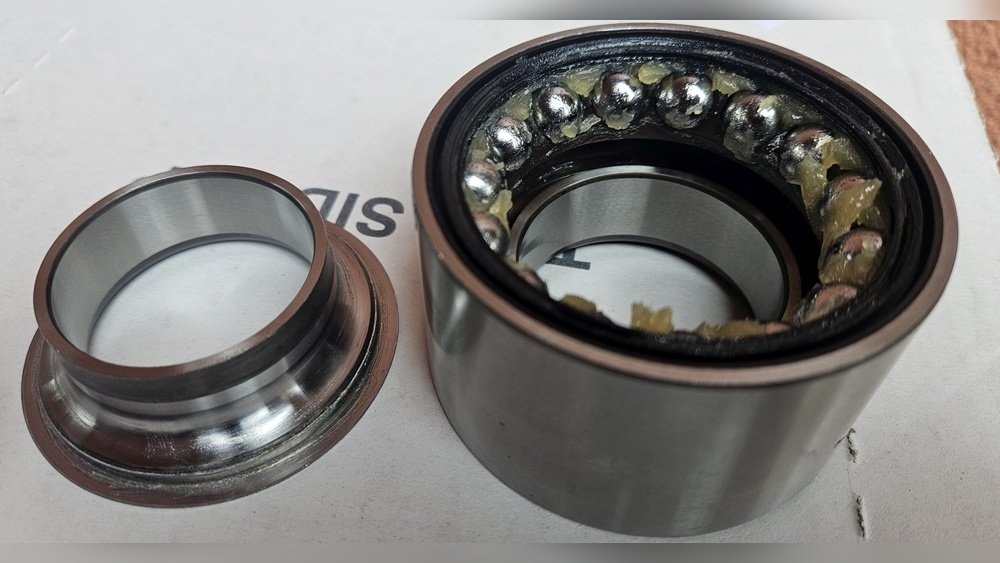
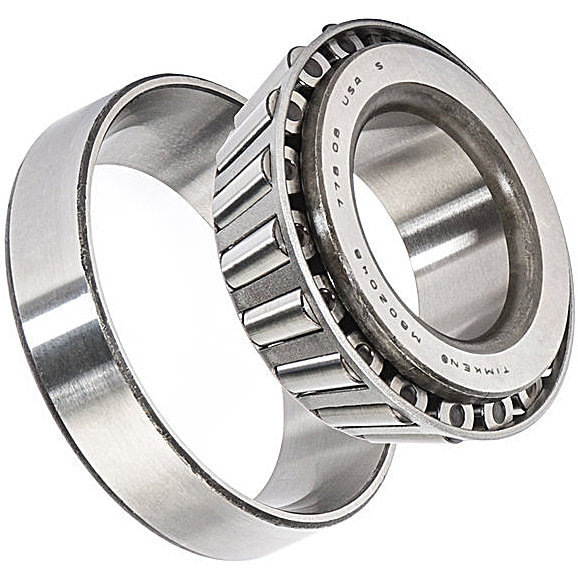
Rear wheel bearings sit inside the wheel hub. They allow the wheel to spin smoothly on the axle. These bearings support the vehicle’s weight and handle road shocks.
Pinion bearings are found in the differential assembly. They hold the pinion gear in place and let it rotate freely. Their job is to maintain gear alignment and transfer power from the driveshaft to the wheels.
Noise Characteristics And Diagnosis
Rear wheel bearing noise usually sounds like a humming or growling. The noise gets louder with speed and may change when turning. It often comes from the wheel area.
Pinion bearing noise is more of a whining or howling sound. It changes with engine load and vehicle speed. The noise comes from the differential area, near the rear axle.
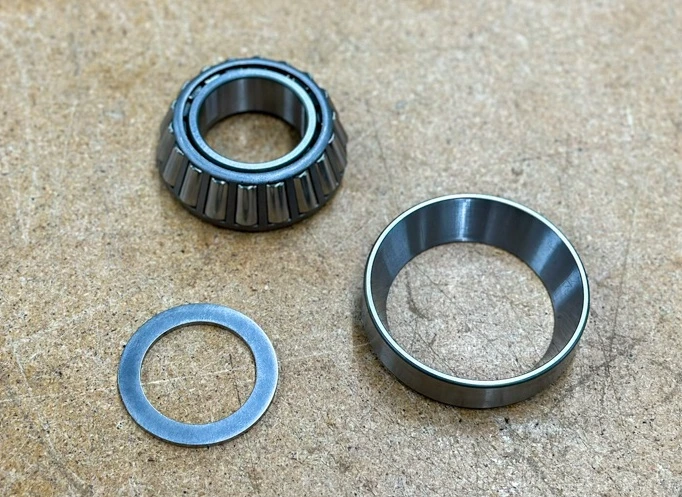
Credit: trailforged.com
Testing And Repair Techniques
Testing and repairing rear wheel bearings and pinion bearings require careful attention. These parts are crucial for smooth vehicle operation and safety. Proper techniques help find the exact problem and fix it correctly. This section explains key tools and methods for diagnosing issues and tips for replacement and maintenance.
Diagnostic Tools And Methods
Use a mechanic’s stethoscope to listen for unusual noises near the bearings. A humming or grinding sound often signals bearing wear. Jack up the vehicle to spin the wheel by hand. Feel for roughness or resistance in the rotation. Check for play by trying to move the wheel back and forth. Excessive movement indicates a worn bearing. Inspect the pinion bearing by checking the differential for leaks or noises. A vibration or clunking may mean the pinion bearing needs attention.
Replacement And Maintenance Tips
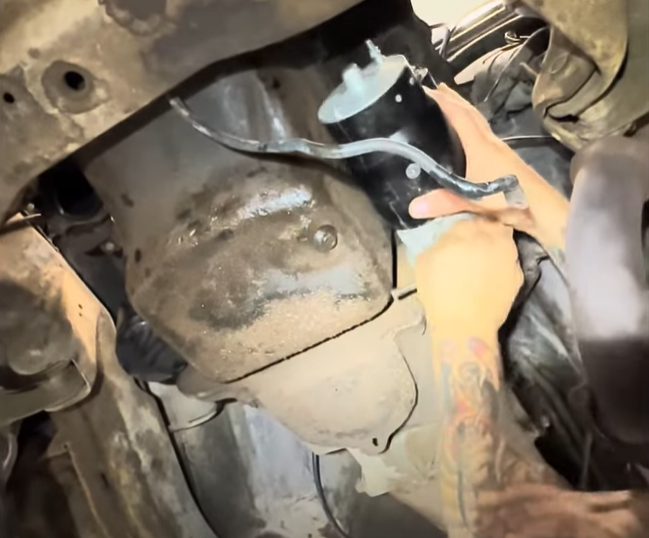
Always clean the area around the bearing before removal. Use the correct tools to avoid damage during replacement. Replace bearings in pairs to ensure balanced performance. Apply fresh grease to new bearings before installation. Tighten bolts to the manufacturer’s specifications. Regularly check and repack wheel bearings with grease. Keep the differential oil at the right level and change it as recommended. Proper care extends bearing life and prevents costly repairs.
Frequently Asked Questions
What Are The Main Signs Of A Bad Rear Wheel Bearing?
A bad rear wheel bearing often causes a grinding or humming noise. You might also feel vibration or looseness in the wheel. These signs suggest the bearing needs inspection or replacement.
How Can I Tell If The Pinion Bearing Is Failing?
A failing pinion bearing usually makes a whining or howling noise. The sound changes with vehicle speed and load. Checking for play in the pinion gear can also help identify the issue.
Can Noise Help Differentiate Rear Wheel And Pinion Bearing Problems?
Yes, noise type and location are key clues. Rear wheel bearing noise is often louder when turning. Pinion bearing noise is more constant and tied to engine speed.
Is It Safe To Drive With A Worn Rear Wheel Or Pinion Bearing?
Driving with bad bearings is risky. It can cause wheel wobble or gear damage. Get the bearings checked and fixed promptly for safety.
What Tools Help Check Rear Wheel And Pinion Bearings?
A mechanic uses a dial indicator to measure bearing play. Listening devices and a jack to lift the vehicle also help. These tools make it easier to spot bearing issues.
Conclusion
Knowing the difference between rear wheel bearings and pinion bearings helps with car care. Rear wheel bearings support the wheels and allow smooth spinning. Pinion bearings hold the pinion gear in place inside the differential. Both make noise if they wear out but sound and feel different.
Checking these signs early can save you from costly repairs. Keep your vehicle safe and running well by spotting which bearing needs attention. Simple steps like these keep your drives smooth and worry-free.