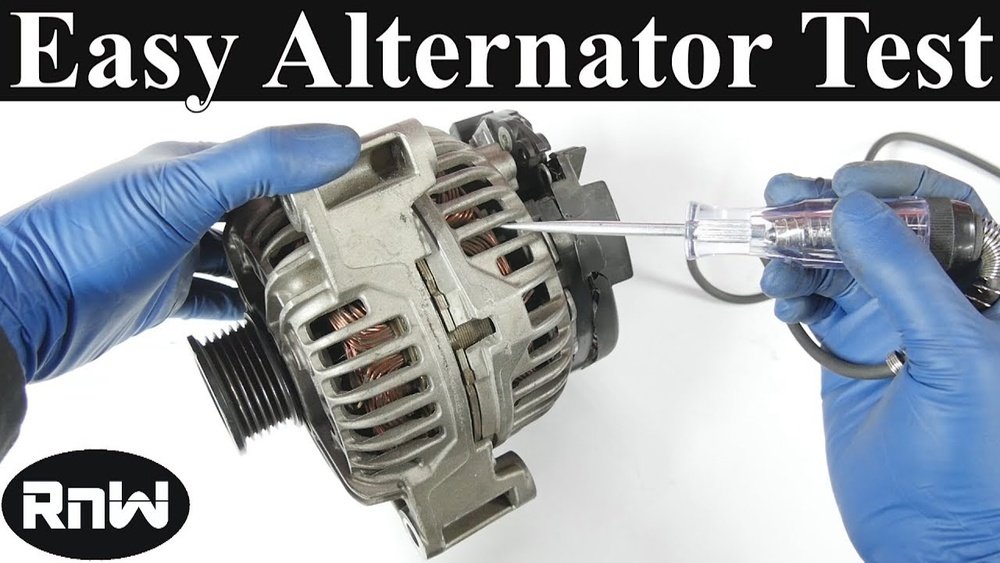
How to Test Alternator by Disconnecting Battery Positive Or Negative: Easy Steps
Wondering how to check if your alternator is working properly by disconnecting the battery? You’re not alone.
Many drivers want a quick way to test their alternator without expensive tools or trips to the mechanic. But before you reach for your wrench, it’s important to understand why simply disconnecting the battery positive or negative terminal while the engine runs isn’t the best idea—and what safer, smarter methods you can use instead.
You’ll discover step-by-step how to test your alternator safely, avoid common mistakes, and keep your car’s electrical system running smoothly. Keep reading to save time, avoid costly damage, and gain confidence in diagnosing your vehicle’s charging system.
Credit: www.carparts.com
Why Disconnecting Battery May Harm
Disconnecting the battery to test the alternator may seem simple. It is a common method but carries risks. Many people do not know the possible harm it can cause. This section explains why disconnecting the battery can be harmful to your vehicle’s electrical system.
Voltage Spikes Can Damage Electronics
Disconnecting the battery can cause sudden voltage spikes. These spikes may harm sensitive electronic parts. Modern vehicles have many electronic control units (ECUs). These ECUs are vulnerable to voltage changes. A spike may damage the ECU or other components.
Risk Of Losing Engine Computer Settings
The engine control computer stores important settings. These settings control fuel injection, ignition timing, and more. Disconnecting the battery resets these settings. This can cause poor engine performance. You may need to reset or reprogram the computer afterward.
Potential Damage To Alternator And Battery
Disconnecting the battery while the engine runs can harm the alternator. The alternator relies on the battery to regulate voltage. Removing the battery suddenly increases the alternator’s load. This can cause the alternator to fail prematurely. The battery may also get damaged by sudden disconnection.
Safety Hazards During Battery Disconnection
Disconnecting the battery may cause sparks or short circuits. Sparks can ignite flammable gases near the battery. This creates a fire or explosion hazard. Proper safety gear and precautions are necessary. Avoid disconnecting the battery in enclosed or poorly ventilated areas.

Credit: jerry.ai
Signs Of Alternator Issues
Alternators keep the car’s battery charged and power electrical parts. Signs of alternator issues often show up before a complete failure. Catching these signs early can save you from getting stranded.
Watch for changes in how your car runs. These changes point to a weak alternator or one that needs attention.
Dim Or Flickering Headlights
Headlights that dim or flicker while driving signal alternator problems. The alternator may not supply enough power to the lights. This issue often worsens at low engine speeds.
Battery Warning Light
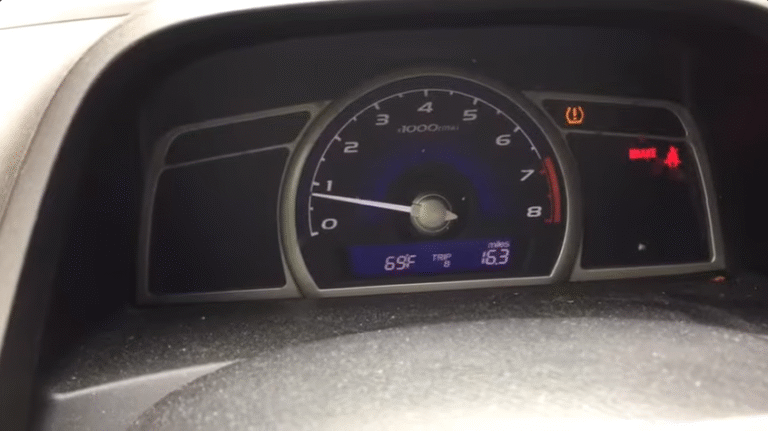
The battery warning light on the dashboard can indicate alternator trouble. This light turns on if the alternator stops charging the battery properly. Never ignore this warning when it appears.
Electrical Failures
Malfunctioning power windows, radio, or dashboard lights often hint at alternator faults. These parts rely on steady power from the alternator. Erratic behavior means the alternator might be failing.
Car Stalling Or Difficulty Starting
A failing alternator can cause the engine to stall unexpectedly. It may also make the car hard to start. This happens because the battery drains without proper charging.
Unusual Noises
Grinding or whining noises from the engine area may come from a bad alternator. These sounds often result from worn bearings or internal damage. Pay attention to any new noises from under the hood.
Burning Smell
A burning rubber or electrical smell can indicate alternator issues. Overheating alternators or slipping belts cause this odor. Stop driving and check the alternator if you notice this smell.
Safe Alternator Testing Methods
Testing an alternator safely prevents damage to your vehicle and injury. Using proper methods helps you get accurate results. Always disconnect the battery before starting any test to avoid short circuits. Focus on simple, clear steps to check alternator health without risks.
Using A Digital Multimeter
Start by setting the multimeter to DC voltage mode. Connect the red probe to the battery positive terminal. Connect the black probe to the battery negative terminal. With the engine off, note the battery voltage. It should read around 12.6 volts.
Next, start the engine and watch the voltage reading. A healthy alternator should raise the voltage to 13.5-14.5 volts. If the voltage stays the same or drops, the alternator might be failing. Avoid disconnecting battery terminals while the engine runs to prevent sparks or damage.
Load Testing With Electrical Accessories
Turn on multiple electrical accessories like headlights, radio, and air conditioner. This puts a load on the alternator and tests its ability to supply power. Watch the multimeter voltage during this test. Voltage should remain above 13 volts.
If voltage drops significantly under load, the alternator may not be charging properly. This test helps identify weak alternators that fail under stress. Perform this test with the battery connected for safety and accurate results.
Step-by-step Battery Disconnect Test
The Step-by-Step Battery Disconnect Test is a simple way to check your alternator’s health. This test helps identify if the alternator is charging the battery properly. It involves disconnecting the battery terminals while the engine runs. Observing what happens next gives clues about the alternator’s condition.
Follow the steps carefully to avoid any damage. Always take safety precautions, such as wearing gloves and eye protection.
Disconnecting Positive Terminal
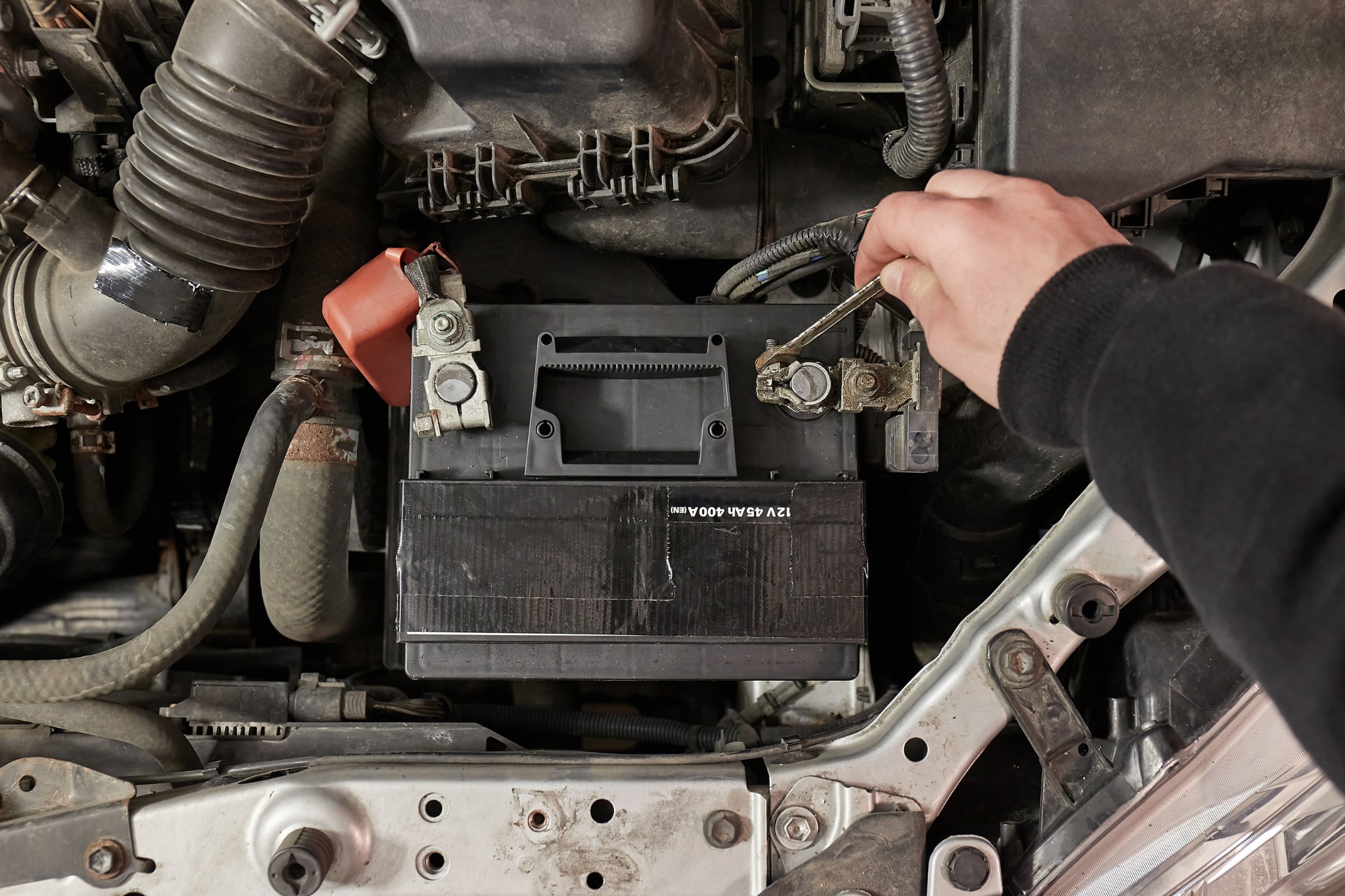
First, locate the battery’s positive terminal. It is usually marked with a plus sign (+) and may have a red cover. Use a wrench to loosen the bolt securing the cable clamp. Carefully lift the cable off the terminal. Avoid touching the cable to any metal parts of the car. Watch the engine closely after disconnecting.
Disconnecting Negative Terminal
Next, find the battery’s negative terminal. It is marked with a minus sign (–) and often has a black cover. Loosen the bolt on the cable clamp with a wrench. Remove the cable from the terminal slowly. Keep the cable away from metal surfaces. Observe the engine’s response after this disconnection.
Observing Engine Behavior
Once a terminal is disconnected, check if the engine keeps running. If the engine stalls or stops, the alternator may be faulty. If the engine runs smoothly, the alternator is likely working. This test shows if the alternator can power the car without the battery. Repeat the process for both terminals to confirm the result.
Alternator Vs Battery Troubleshooting
Alternator and battery problems often cause similar car issues. Both can lead to a no-start condition or electrical failures. Identifying the real cause saves time and money. Testing by disconnecting the battery’s positive or negative terminal helps find the faulty part quickly.
This method checks if the engine keeps running without the battery connected. If the engine stops, the alternator might be bad. If it runs, the battery could be the problem. This test is simple and does not need special tools.
How To Test Alternator By Disconnecting Battery Positive Terminal
Start the engine and let it run at idle speed. Then, carefully disconnect the battery’s positive terminal. Watch the engine behavior closely. If the engine stalls or stops, the alternator is not charging properly. A healthy alternator keeps the engine running even without the battery connected.
Be cautious to avoid sparks or short circuits. Use insulated tools to loosen the terminal bolt. Reconnect the terminal after the test is complete to avoid damage to the electrical system.
How To Test Alternator By Disconnecting Battery Negative Terminal
Another way is to disconnect the battery’s negative terminal. Follow the same steps as with the positive terminal test. Run the engine, then disconnect the negative cable. If the engine stops running, the alternator may be faulty. If it keeps running, the battery is likely the issue.
Always disconnect the negative terminal first when working on a battery. This reduces the risk of electrical shorts and sparks.
Signs To Identify Battery Or Alternator Problems
A weak or dead battery causes dim lights and slow engine crank. The battery may not hold charge after being tested. Alternator issues show as flickering lights or a battery warning light on the dashboard. Electrical accessories may stop working properly while driving.
Check voltage with a multimeter if available. A good alternator usually outputs 13.5 to 14.5 volts while running. Battery voltage below 12.4 volts when the engine is off indicates a weak battery.

Credit: www.fridayparts.com
Frequently Asked Questions
What Is The Easiest Way To Check An Alternator?
Start the engine and turn on headlights and radio. Use a multimeter to check voltage across the battery terminals. Voltage should read between 13. 8 to 14. 5 volts. A steady voltage in this range indicates a healthy alternator.
How To Self Excite An Alternator?
To self-excite an alternator, momentarily connect the field terminal to the battery positive terminal. This energizes the rotor winding, generating initial magnetic flux. Then start the engine and disconnect the jumper wire once the alternator produces voltage independently.
Is There A Way To Test The Alternator Without Taking It Out?
Yes, test the alternator without removal by turning on electrical loads. Use a multimeter to check voltage stability above 13. 5 volts. Voltage drop indicates alternator issues.
What Can Be Mistaken For A Bad Alternator?
A weak battery, loose wiring, or a faulty voltage regulator can mimic bad alternator symptoms. Check these before replacing the alternator.
Can I Test An Alternator By Disconnecting The Battery Positive Terminal?
Yes, disconnecting the battery positive terminal while the engine runs can test the alternator. If the engine dies, the alternator may be faulty. If it keeps running, the alternator is likely good.
Conclusion
Testing your alternator by disconnecting the battery positive or negative terminal is quick and simple. This method helps identify if the alternator or battery causes electrical issues. Remember to follow safety steps carefully to avoid damage or injury. A running engine after disconnecting means the alternator works.
If the engine stops, the alternator likely needs attention. Use this test as a first check before visiting a mechanic. Knowing how to do this saves time and money. Stay safe and keep your car’s electrical system in good shape.