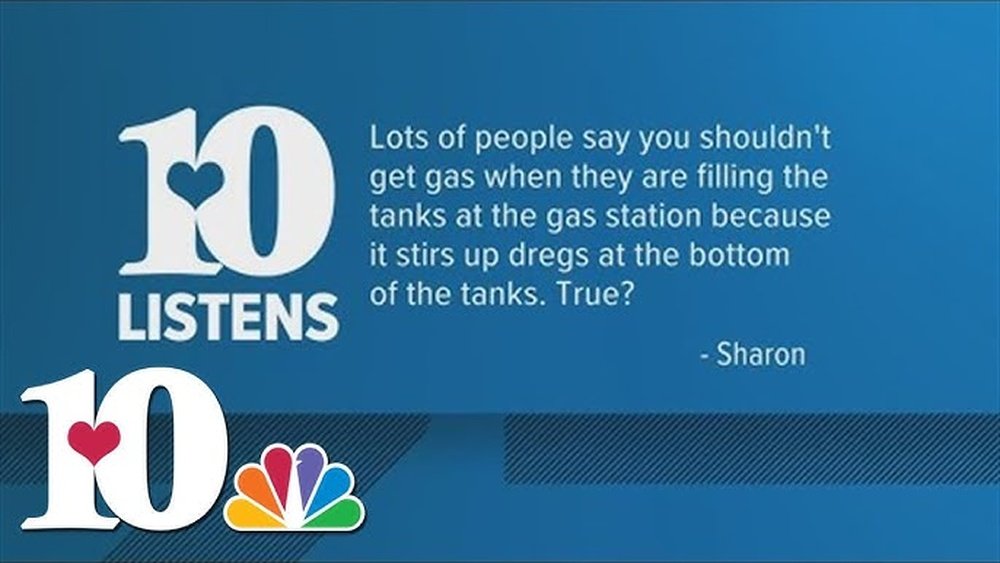
Should You Get Gas When They are Filling the Tanks? Safety Tips Revealed
Have you ever pulled up to a gas station only to see a fuel tanker truck filling the underground tanks? You might wonder, “Is it safe to fill my tank right now?” You’re not alone—this question pops up more often than you’d think.
While it might seem convenient to get gas whenever you stop by, there are some important reasons to pause and consider your timing. Could filling up during a tanker delivery affect your car’s fuel quality or safety? You’ll discover what really happens when tanks are being refilled, why experts suggest waiting, and how you can protect your vehicle from potential problems.
Keep reading to make sure your next fill-up is both safe and smart.
Risks Of Getting Gas During Tanker Delivery
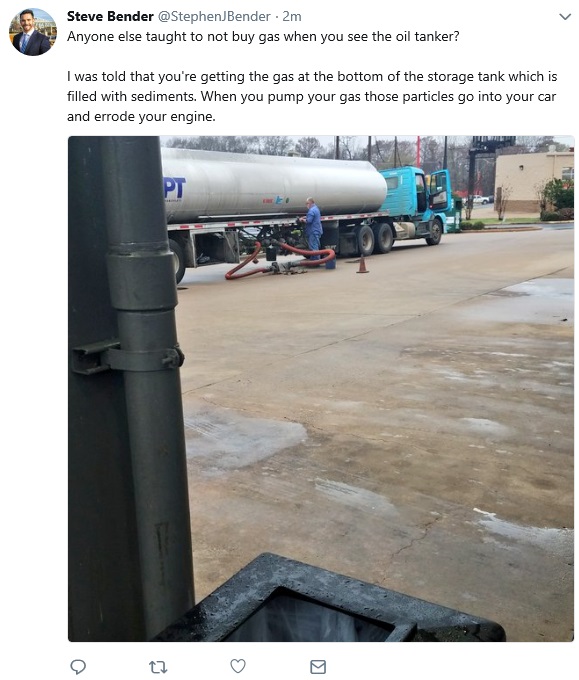
Pumping gas during a tanker delivery poses several risks. Tanker trucks refill underground storage tanks at gas stations. This process stirs up sediment and water settled at the tank’s bottom. These contaminants can reach your vehicle’s fuel system. Even though pumps have filters, they may not catch all debris. Filters also need regular maintenance to work effectively.
Safety is another concern. Delivery increases fuel vapor around the pumps. Vapors can ignite if there is a spark or static electricity. Spills are also more likely during delivery operations. For this reason, many stations close pumps near the delivery spot temporarily. These precautions help protect customers and workers.
Risk Of Sediment And Water Contamination
Fuel deliveries stir up dirt and water from tank bottoms. Contaminants can clog your fuel filter or damage the engine. Pumps have filters but they may not block all particles. Older or poorly maintained filters increase this risk. Filling your tank during delivery can expose your car to these impurities.
Increased Fire And Explosion Hazards
Fuel vapors are highly flammable and can ignite easily. Tanker deliveries release more vapors into the air. Static electricity or sparks near pumps can cause fires. Delivery areas may have more fuel spills, raising fire risks. Avoiding these pumps during delivery keeps you safer.
Temporary Pump Closures And Access Issues
Gas stations often block pumps near the delivery area. This limits which pumps customers can use. Trying to fill gas during delivery may waste time or cause delays. Waiting until delivery ends ensures all pumps are open and safe. It also prevents interrupting station staff during deliveries.

Credit: ww2.motorists.org
How Sediment And Water Affect Fuel Quality
Fuel tanks often have sediment and water settled at the bottom. Filling up while tanks are being refilled can stir these impurities, risking fuel contamination. Though pumps have filters, they may not catch all debris, which can harm your vehicle’s fuel system.
Fuel quality can change when underground tanks are being filled. Sediment and water often settle at the bottom of these tanks. When new fuel arrives, it can stir up these impurities. This makes the fuel less clean and can harm your vehicle.
Even though gas stations use filters, they may not catch all sediment or water. These contaminants can clog fuel filters and damage the engine. Water in fuel can cause poor combustion and engine misfires. Sediment can block fuel lines and reduce fuel efficiency.
What Is Sediment In Fuel?
Sediment is dirt, rust, or other tiny particles. These particles settle at the bottom of fuel tanks over time. When the tank is filled, fuel movement can lift sediment up. This can enter the fuel pump and your car’s fuel system.
Sediment can cause engine problems like stalling or rough running. It also shortens the life of fuel filters. Clean fuel is important to keep your engine healthy and running smoothly.
How Water Gets Into Fuel Tanks
Water can enter fuel tanks through condensation or leaks. Underground tanks often collect water at the bottom. Water does not mix with fuel and can cause damage.
Water in fuel can cause corrosion inside the tank. It also harms engine parts and reduces fuel efficiency. Small amounts of water can cause big problems over time.
Why Avoid Pumping Gas During Tank Refills
Tank refills cause fuel to swirl and stir up sediment and water. This increases the chance of contaminants entering your car’s fuel system. Filters on pumps may not catch all impurities during this time.
Waiting until after the refill process reduces risk. It helps you get cleaner fuel and protects your engine from damage.
Fuel Pump Filters And Their Limitations
Fuel pump filters help catch dirt and water stirred up when tanks are filled. Still, these filters can miss some particles. Avoid fueling during tank refills to reduce the chance of dirty gas entering your car.
How Fuel Pump Filters Work
Fuel pump filters catch dirt and debris in the gas. They protect your engine from damage. Filters sit inside the pump or nozzle. They trap small particles before fuel reaches your car. This helps keep your fuel system clean.
Why Filters Have Limits
Filters cannot catch everything. Very tiny particles or water can pass through. If sediment stirs up during tank filling, filters may become overloaded. Old or clogged filters lose effectiveness fast. This can let contaminants reach your car’s engine.
Risks During Tank Refilling
When underground tanks refill, sediment moves around. This stirs up dirt and water at the bottom. Filters try to catch these impurities. Sometimes, they fail because of the heavy flow. This raises the chance of dirty fuel entering your tank.
Filter Maintenance And Replacement
Gas stations must change filters often. Worn-out filters do not protect well. New filters work better at trapping dirt. Regular maintenance keeps the fuel cleaner. Stations that skip filter care risk selling contaminated fuel.
Credit: www.wfmynews2.com
Safety Hazards Near Active Fuel Deliveries
Fuel deliveries can stir up dirt and water inside underground tanks. Filling your car during this time may let these contaminants enter your tank. Also, fuel vapors and spills around delivery areas increase safety risks.
Fuel delivery at gas stations involves risks that many do not see. When a tanker truck fills underground tanks, fuel moves fast. This movement can stir up dirt and water settled at the tank’s bottom.
Contaminants like sediment can reach fuel pumps. Filters help catch these particles but may not stop all. This can harm your car’s fuel system.
Active fuel deliveries also increase safety dangers. Fuel vapors rise during this time. These vapors can catch fire if sparked.
Static electricity is another threat near fuel deliveries. A small spark can cause a fire or explosion. Gas stations often close nearby pumps to protect customers.
Sediment And Water Stir-up
When fuel enters underground tanks, it moves quickly. This speed lifts sediment and water at the bottom. Sediment can clog filters and engines. Water in fuel can cause poor engine performance.
Pumps have filters to catch debris. But filters can fail or become weak. Pumping gas during delivery risks drawing these impurities.
Fuel Vapor And Fire Risks
Fuel vapors are invisible but dangerous. They are heavier than air and settle near the ground. Vapors can ignite from a small spark or static shock.
Fuel delivery increases vapor levels at the station. That’s why stations block pumps near the tanker. It keeps customers away from fire risks.
Static Electricity Dangers
Static builds up from movement and friction. Touching metal parts or gas pumps can cause sparks. Sparks near fuel vapors are a serious hazard.
During deliveries, static risk is higher. Extra care is needed to avoid sparks. Customers should wait until deliveries finish for safety.
Best Practices For Safe Refueling Timing
Avoid filling your gas tank while the station’s underground tanks are being refilled. Sediment and water can mix into the fuel, risking engine problems. Waiting a short time helps ensure cleaner, safer fuel for your vehicle.
Wait Until Tanker Delivery Is Complete
Do not pump gas while the tanker fills underground tanks. The fuel delivery stirs up sediment and water at the tank bottom. These impurities can clog your car’s fuel system. Waiting lets the tank settle and filters work properly.
Observe Station Safety Measures
Gas stations often close pumps near the delivery area. This prevents exposure to fuel vapors and spills. Follow all posted signs and instructions. Safety is crucial during refueling near fuel trucks.
Choose Pumps Away From Delivery Zones
Select pumps far from the tanker and delivery points. These areas have less risk of contamination or safety hazards. Using distant pumps helps ensure cleaner fuel and safer refueling.
Refuel During Off-peak Hours
Try to fill your tank during times when deliveries are less likely. Early mornings or late evenings are often safer. This timing reduces the chance of fuel contamination or delivery-related risks.

Credit: www.youtube.com
Frequently Asked Questions
Is It Better To Fill My Tank All The Way Or Get Gas In Increments When Needed?
Filling your tank partially saves weight and improves fuel economy. Frequent, smaller refills keep fuel fresh and reduce sediment buildup risks.
Should You Let Your Gas Tank Get Low Before Filling?
Avoid letting your gas tank get very low. Running low risks sediment clogging your fuel system and can damage the fuel pump. Filling up regularly helps maintain your car’s performance and prevents running out of gas unexpectedly.
Do You Use Less Gas When The Tank Is Full?
You do not use less gas when the tank is full. A full tank adds weight, which can slightly reduce fuel efficiency. Driving habits and vehicle maintenance impact gas usage more than tank level.
When Should I Fill My Tank With Gas?
Fill your tank when fuel levels drop to a quarter to avoid running out and prevent sediment contamination during tanker refills. Avoid pumping gas while a tanker refills underground tanks to reduce sediment and safety risks. Regular refills maintain fuel quality and vehicle performance.
Is It Safe To Get Gas While Tanks Are Being Filled?
Pumping gas during tank refills can stir up sediment and water. This may clog your fuel system, so it’s safer to wait.
Conclusion
Filling your gas tank while a tanker is delivering fuel might not be the best idea. Sediment and water can mix into the fuel during delivery. Although pumps have filters, they might not catch everything. This can harm your vehicle’s fuel system over time.
Also, safety risks increase with fuel vapors and spills nearby. Waiting a little after delivery keeps your car safer and your fuel cleaner. Choosing the right time to fill can save you trouble and keep your engine running smoothly.