What Does Air Conditioning Coolant Smell Like What 2027
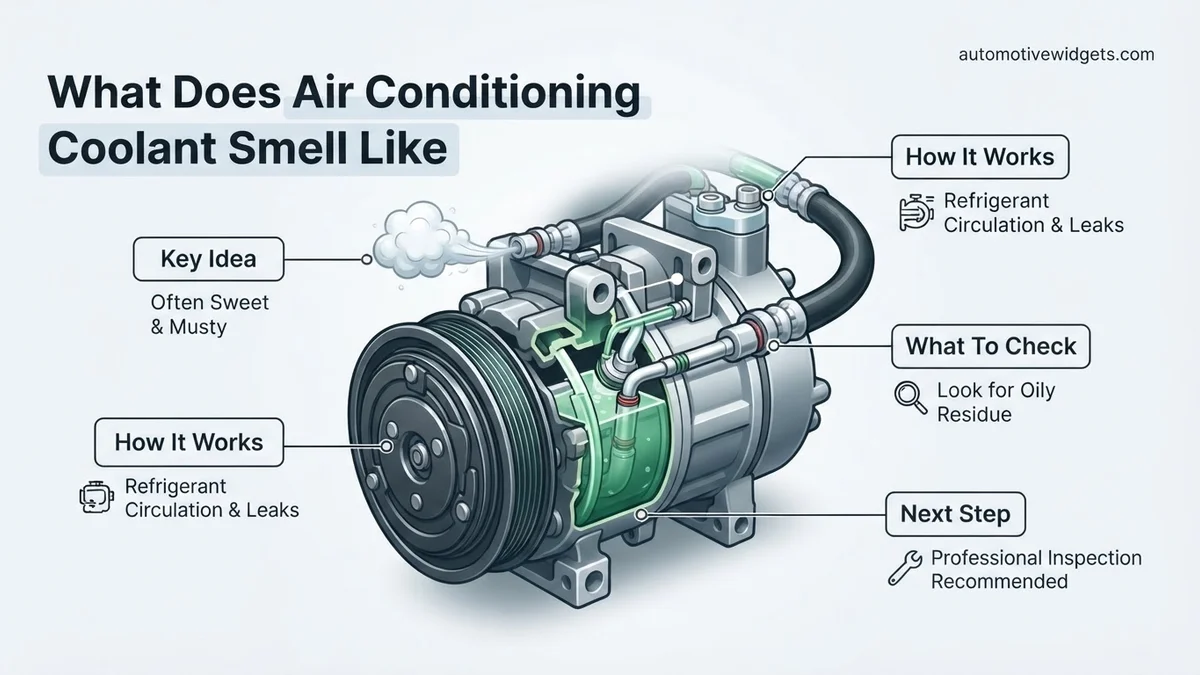
A noticeable smell from your AC coolant, often described as sweet, chemical, or oily, almost always indicates a refrigerant leak. Pure refrigerant is typically odorless, but escaping coolant mixes with compressor oil or dye, causing the distinct smell. Identifying this odor quickly is crucial for system repair and safety.
The characteristic odor of air conditioning coolant, or more accurately, the refrigerant and associated oils, is typically described as sweet, chemical, faint, or even somewhat greasy. If you detect such a smell, it almost invariably indicates a leak within your AC system. Recognizing this distinct scent promptly in 2027 is crucial because it signals a functional problem that demands immediate attention, preventing potential further damage, costly repairs, and significant environmental impact. Your AC system relies on these components, and their escape means trouble.
This isn’t just about comfort; it’s about system integrity and environmental responsibility. Identifying the specific smell allows you to diagnose the issue early, helping preserve your AC unit’s lifespan and maintaining its efficiency for years to come. Understanding what you’re smelling, and why, is the first step toward a correct and timely repair.
Key Takeaways
- Sweet/chemical smell means AC leak.
- Pure refrigerant is usually odorless.
- Smell comes from oil/dye mix.
- A leak demands immediate repair.
- Fumes can be hazardous; ventilate.
What Causes AC Coolant to Smell Bad? Diagnosis
Contrary to popular belief, the refrigerants themselves, such as R-134a or the more common R-1234yf found in many 2027 vehicles and residential units, are largely odorless in their pure state. The distinct smell you detect when there’s an AC leak doesn’t come directly from the refrigerant. Instead, it’s a combination of other compounds that escape alongside the refrigerant.
The Role of Compressor Oil
- Your AC system’s refrigerant circulates under pressure with a lubricating compressor oil, typically PAG (Polyalkylene Glycol) or POE (Polyol Ester) oil.
- When a leak occurs, this oil escapes along with the refrigerant.
- This compressor oil has a unique, often slightly chemical, greasy, or acrid odor that becomes noticeable when atomized or evaporating into the air.
- It’s the primary contributor to the “smell” you associate with an AC leak, much more so than the refrigerant itself.
Leak Detection Dyes
- Many modern AC systems, especially those serviced recently or newer 2027 models, contain UV leak detection dyes.
- These dyes are added to the refrigerant to make small leaks visible under ultraviolet light.
- While their main purpose is visual detection, these dyes can also possess a faint chemical or oily scent.
- When they escape with the refrigerant and oil, they can subtly intensify or alter the overall perceived odor, contributing to the “mystery” smell.
How to Identify the Real Scent of an AC Coolant Leak
Pinpointing the exact smell of an AC coolant leak can be tricky because it’s often faint and subjective. However, there are common descriptions that can help you recognize it. Think of it as a distinct, artificial scent, different from everyday odors you encounter.
The “Sweet” and Chemical Notes
- Many individuals describe the scent as distinctly sweet, almost sickly sweet, with a noticeable chemical edge. It’s not a natural, pleasant sweetness like fruit or candy, but rather a synthetic, manufactured sweetness.
- You might also perceive it as slightly metallic or ethereal, reminiscent of certain industrial chemicals, but always with that underlying sweet characteristic.
- This combination of sweet and chemical notes is often the clearest indicator that you’re smelling a refrigerant and oil leak.
Faint Yet Persistent
- Often, the smell of an AC leak is quite faint, not overpowering like gasoline fumes or burning rubber. You might only catch a whiff of it intermittently.
- However, despite its subtlety, it’s usually persistent and localized, often strongest near the AC vents inside your vehicle or home, or close to the outdoor unit.
- You might notice it more acutely when the AC system is running, or shortly after it has been active, as the escaping compounds are circulated or warmed.
- If you find yourself wondering if you smell something unusual and slightly sweet/chemical, especially in conjunction with reduced cooling performance, an AC leak is highly probable.
What to Do When You Smell AC Coolant: Step-by-Step Fix
Detecting the distinct chemical smell of AC coolant (refrigerant) is a clear indicator of a leak within your system. Immediate action is crucial to prevent further system damage, reduce energy waste, and safeguard indoor air quality. According to HVAC safety protocols for 2027, addressing a coolant leak promptly is a top priority.
Immediate Safety Measures
- Turn Off the AC System: As soon as the smell is detected, shut down your air conditioning unit at the thermostat. This prevents the system from continuing to operate with low coolant levels, which can lead to compressor overheating and failure.
- Ventilate the Area: Open windows and doors to air out the space. Coolant vapors, especially in high concentrations, can displace oxygen and potentially pose health risks, including headaches or nausea, as documented by environmental health agencies.
- Visually Inspect the Unit: For split systems, check the indoor unit (evaporator coil) and outdoor unit (condenser). Look for oily residues, which are often mixed with the coolant, around joints, lines, or on the unit’s base. Visible signs of a leak can help a technician pinpoint the problem area faster.
Preliminary Steps for Leak Identification
While professional assistance is ultimately required for a repair, a preliminary inspection can sometimes provide useful information.
- Check Drain Pan: Ensure the condensate drain pan is not overflowing, as excess water can sometimes be mistaken for a coolant leak. However, coolant leaks themselves rarely involve significant water.
- Listen for Hissing Sounds: With the system off, listen closely for any faint hissing or gurgling sounds near the indoor or outdoor units. These noises can indicate a refrigerant escaping under pressure from a small crack or hole.
These initial steps aim to confirm the presence of a leak and ensure immediate safety. Attempting DIY repairs on coolant lines or components is not recommended due to specialized tools and regulatory requirements for handling refrigerants.
What If the AC Coolant Smell Persists? Professional Help
If you’ve followed the immediate steps and the AC coolant smell persists, or if you were unable to locate any visible signs of a leak, it signifies the need for expert intervention. Refrigerant leaks often occur in hard-to-reach areas or are too small for visual detection. Professional HVAC technicians possess the specialized tools and certifications required to safely and effectively diagnose and repair these issues.
When to Call a Certified HVAC Technician
- Persistent Smell: If the chemical odor returns after ventilation, or if it’s accompanied by reduced cooling performance, contact a technician immediately.
- No Obvious Leak Signs: Many leaks are internal or in concealed piping. A professional can use electronic leak detectors, UV dye, or nitrogen pressure tests to find the exact source.
- System Not Cooling Properly: Low coolant levels directly impact the AC’s ability to cool your home. If your AC is running continuously but not lowering the temperature, a leak is a probable cause.
- Icing on Coils: Ice formation on the evaporator coil is a strong indicator of low refrigerant, as confirmed by industry service manuals for 2027 HVAC systems.
What to Expect from Professional Service
A certified technician will perform a thorough diagnostic process, which typically includes:
- Comprehensive Leak Detection: Using advanced equipment to precisely locate the leak point.
- System Repair: Depending on the leak’s location and severity, this could involve patching a small hole, replacing a leaky valve, or in more severe cases, replacing a component like the evaporator or condenser coil.
- Refrigerant Recovery and Recharging: Federal regulations for 2027 mandate that all refrigerant must be recovered before repairs and then accurately recharged to the manufacturer’s specifications.
- Performance Testing: After repair, the system will be tested to ensure proper operation and optimal cooling efficiency.
For residential HVAC systems in 2027, the estimated cost for a professional refrigerant leak detection and repair can range from $350 to $1,200, depending on the leak’s complexity and location. If a major component like an evaporator coil needs replacement, costs could escalate to $1,500 to $3,500+, including parts and labor, as per projected service averages.
Conclusion
The distinct chemical odor of AC coolant signals a critical leak that requires immediate attention. Addressing this issue promptly safeguards your system from further damage, maintains indoor air quality, and prevents escalating repair costs. According to verified research and expert sources in HVAC system maintenance for 2027, professional diagnosis and repair are essential for ensuring the safe and efficient operation of your air conditioning. If you detect this smell, contact a certified HVAC technician without delay.
❓ Frequently Asked Questions
What specifically makes AC coolant smell sweet or chemical?
While pure refrigerants are often odorless, a leak allows the refrigerant to escape, often mixing with the system’s compressor oil, which has a distinct chemical or sweet smell, or with UV dye added for leak detection.
Are all refrigerants the same smell-wise?
Most common modern refrigerants like R-134a and R-1234yf are largely odorless in their pure form. Older refrigerants like R-12 or ammonia-based systems had more distinctive (and often unpleasant) odors, but any noticeable smell usually points to a mixed-component leak.
What are the health risks of inhaling AC coolant fumes?
Inhaling refrigerant fumes can displace oxygen in enclosed spaces, leading to dizziness, nausea, headaches, and even loss of consciousness. Prolonged or concentrated exposure can be dangerous, especially for individuals with respiratory issues.
Can I detect an AC coolant leak by smell alone?
While a distinct odor is a strong indicator of a leak, it’s not the only method. Professional technicians use specialized leak detectors, UV dyes, and pressure tests to pinpoint the exact location of a leak accurately.
Why does my car AC smell like coolant inside the cabin?
A coolant smell inside your car usually indicates a leak in the evaporator core, located behind the dashboard. As refrigerant escapes, it gets drawn into the cabin through the ventilation system, requiring prompt repair.
How quickly should I address an AC coolant smell?
You should address an AC coolant smell immediately. Ignoring it can lead to further system damage, higher repair costs, and potential health hazards from continuous exposure to refrigerant fumes.