What Happens If I Drive With My Emergency Brake on: Risks Exposed
Have you ever wondered what really happens if you drive with your emergency brake on? Maybe you accidentally forgot to release it before hitting the road, or perhaps you’re curious about the consequences of this common mistake.
Driving with the emergency brake engaged isn’t just uncomfortable—it can cause serious damage to your vehicle and even put your safety at risk. You’ll discover exactly what your car goes through, the signs that something’s wrong, and what you should do if you find yourself in this situation.
Keep reading to protect your ride and avoid costly repairs.
Signs Of Driving With Brake On
Driving with the emergency brake engaged creates resistance in your car. This resistance causes several noticeable signs. Spotting these signs early helps prevent serious damage. Here are common signs that indicate you might be driving with your brake on.
Sluggish Acceleration
Your car feels slower than usual. It struggles to pick up speed. The engine works harder to move the vehicle. This happens because the brake pads press against the wheels. This pressure reduces the car’s ability to accelerate smoothly.
Unusual Noises
You may hear grinding or squealing sounds. These noises come from the brake parts rubbing against the wheels. The constant friction creates these sounds. The noise often gets louder as you drive further. It signals that the brake system is under stress.
Burning Smell
A strong, burning odor may fill the air. This smell comes from overheated brake components. The heat builds up due to constant friction. It can damage brake pads and rotors permanently. This sign is a warning to stop driving immediately.
Brake System Damage
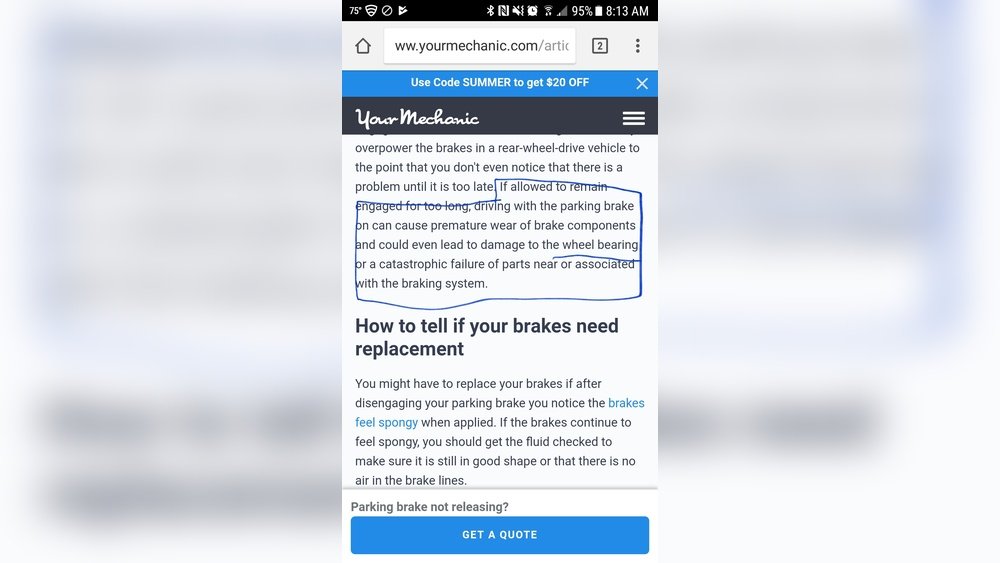
Driving with the emergency brake engaged causes serious brake system damage. The brake parts work harder to stop the vehicle, creating excessive heat. This heat harms different brake components quickly. The damage lowers braking performance and leads to costly repairs. Understanding the types of damage helps prevent long-term problems.
Glazed Brake Pads
Brake pads get very hot from friction. Excess heat causes pads to glaze over. Glazing means the pads become smooth and shiny. This reduces their ability to grip the rotors properly. Glazed pads make stopping slower and less safe. You may notice a burning smell or reduced braking power.
Warped Rotors And Drums
Rotors and drums absorb heat from braking. Too much heat causes them to warp or bend. Warped rotors create vibrations when braking. The brake pedal may feel shaky or pulsing. Warped drums cause uneven brake wear and noise. This damage requires rotor or drum replacement to restore smooth braking.
Melted Components
Extreme heat can melt plastic or rubber parts near the brakes. Brake fluid lines or sensors may soften or melt. Melted components lead to brake fluid leaks or sensor failure. This causes brake system errors or loss of braking power. Repairs for melted parts are often expensive and urgent.
Impact On Vehicle Performance
Driving with the emergency brake engaged affects how your vehicle performs. It puts extra strain on key systems. This strain can lead to noticeable changes in how your car drives and handles. Understanding these effects helps you avoid damage and costly repairs.
Reduced Stopping Power
The emergency brake creates constant friction on the rear brakes. This friction wears down brake pads faster than usual. Worn pads reduce your car’s ability to stop quickly. Your overall braking performance suffers, increasing the risk of accidents.
Increased Fuel Consumption
With the emergency brake on, the engine works harder to overcome resistance. This extra effort uses more fuel than normal. Driving this way lowers your car’s fuel efficiency. You will notice more stops at the gas station over time.
Dashboard Warning Lights
Some cars detect if the emergency brake is active while driving. This triggers warning lights on the dashboard. These alerts warn you about the brake issue immediately. Ignoring these lights can lead to serious mechanical problems.

Credit: www.youtube.com
Immediate Actions To Take
Driving with the emergency brake on can cause serious damage to your vehicle. Acting quickly helps prevent further issues. Follow these steps to handle the situation safely and protect your car.
Safely Pull Over
Find a safe spot to stop your vehicle immediately. Use your turn signals to alert other drivers. Slow down gradually to avoid sudden stops. Pull over to the side of the road or a parking lot. Ensure you are out of traffic to avoid accidents.
Release The Emergency Brake
Once stopped, fully release the emergency brake lever or pedal. Double-check that it is completely disengaged. This action stops the brake from continuing to rub against the wheels. Driving with the brake off reduces heat and wear on parts.
Inspect For Damage
Look for signs of damage around the wheels and brakes. Check for a burning smell or smoke near the tires. Notice if the car feels sluggish or harder to drive. If you see damage or feel unusual resistance, get professional help. Driving further could worsen the problem and increase repair costs.
Preventing Future Issues
Preventing future problems with your brakes helps keep you safe and saves money. Driving with the emergency brake on causes damage over time. Taking simple steps can avoid costly repairs and maintain your car’s performance.
Regular Brake Checks
Check your brakes often to catch issues early. Look for signs like squeaking sounds or a soft brake pedal. Have a mechanic inspect brake pads and rotors regularly. Replacing worn parts on time stops further damage. Regular checks keep your brakes working well and extend their life.
Proper Brake Usage Habits
Always release the emergency brake before driving. Avoid using it while the car is moving. Use the emergency brake only when parking on slopes. Apply brakes gently to prevent wear and overheating. Good habits help your brakes last longer and keep your car safe on the road.

Credit: www.carparts.com
Credit: www.donleestire.com
Frequently Asked Questions
What Happens If You Drive With The Handbrake On For 20 Minutes?
Driving with the handbrake on for 20 minutes causes brake overheating, reduced stopping power, and potential damage to pads, rotors, and brake fluid. Expect a burning smell, sluggish acceleration, and possible dashboard warnings. Prolonged use risks warped rotors and costly repairs.
Always release the handbrake before driving.
Can You Drive While The Emergency Brake Is On?
Driving with the emergency brake on causes friction and heat, damaging brake pads, rotors, and reducing stopping power. It also wastes fuel and can cause a burning smell. Avoid driving with it engaged to prevent costly repairs and ensure safety.
What Happens If You Pull The Emergency Brake At 100 Mph?
Pulling the emergency brake at 100 mph can cause the rear wheels to lock, leading to loss of control and a possible crash. The sudden stop may damage brakes and tires, and could cause serious injury or death. Always use brakes gradually to stop safely.
What Happens If You Drive With The Handbrake On For One Hour?
Driving with the handbrake on for one hour causes excessive heat, leading to worn brake pads, warped rotors, and potential brake system damage. The car may drag, emit burning smells, and lose braking efficiency. Prolonged use risks costly repairs and safety hazards.
Can I Damage My Car Driving With The Emergency Brake On?
Driving with the emergency brake on causes friction and heat. This wears down brake pads and can warp rotors. Prolonged use risks serious damage to brake components.
Conclusion
Driving with the emergency brake on causes your car to work harder. You may feel the car slow down and smell burning. This heat can damage brake parts and reduce safety. Avoid driving with the brake engaged to save money and prevent accidents.
Always check the brake before starting your trip. Taking care of your brakes helps your car last longer and run better. Remember, a quick check can stop big problems later. Stay safe and keep your brakes in good shape.