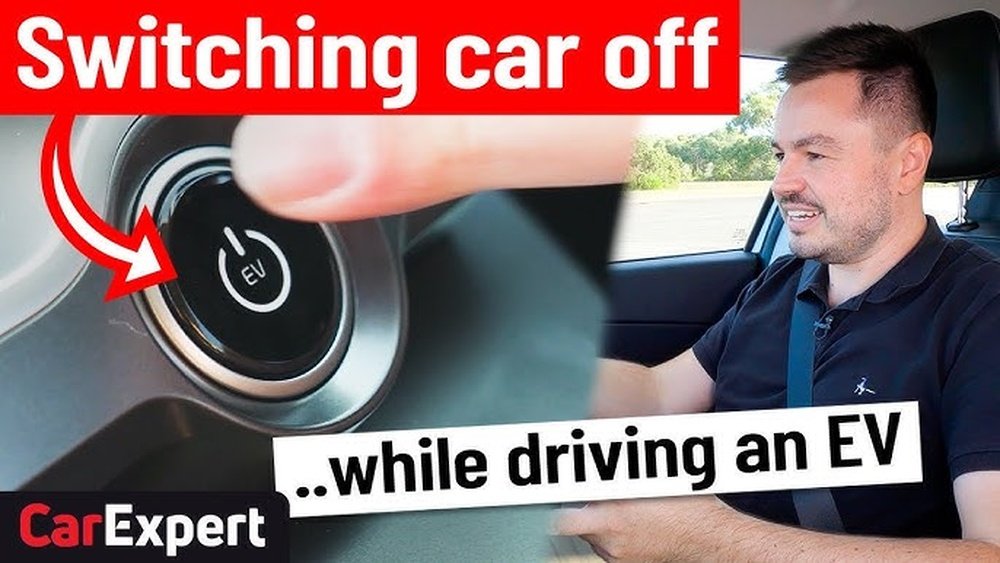
What Happens If You Turn Your Car off While Driving: Shocking Risks Revealed
Have you ever wondered what would happen if you turned your car off while driving? It might sound strange, but accidents or emergencies can sometimes lead to this question.
Understanding the effects of shutting off your engine on the road isn’t just interesting—it could be crucial for your safety. You’ll learn exactly what happens when you turn your car off mid-drive and why it’s important to keep your engine running.
Keep reading to discover how this simple action can impact your control, brakes, and even your ability to steer. Don’t take any chances—know what you need to do to stay safe behind the wheel.
Credit: acadianambulance.com
Engine Shutdown Effects
Turning off your car’s engine while driving causes several immediate effects. The engine shutdown affects many parts of your vehicle. Understanding these effects helps you stay safe and avoid damage.
Most cars use the engine to power the steering system. When the engine stops, steering becomes hard. You must use more effort to turn the wheel. This makes handling the car difficult, especially at low speeds.
Brake Assistance Failure
The engine powers the brake booster in many cars. Without the engine running, braking takes more force. Your brakes will still work but feel stiff. Stopping the car safely requires extra pressure on the pedal.
Loss Of Electrical Systems
Turning off the engine cuts power to many electrical parts. Systems like the radio, dashboard lights, and air conditioning stop working. Some safety features may also turn off, reducing your control.
Engine Damage Risk
Shutting off the engine while moving can harm it. The sudden stop can cause oil pressure to drop. Without proper lubrication, engine parts may wear faster or get damaged.
Transmission Problems
Automatic transmissions rely on the engine’s power. Engine shutdown can cause the transmission to lock or slip. This may lead to costly repairs and unsafe driving conditions.
Loss Of Power Steering
Turning off your car while driving causes loss of power steering. Steering becomes hard and requires more effort. This makes controlling the vehicle difficult and unsafe.
What Is Power Steering?
Power steering helps you turn the steering wheel easily. It uses a pump driven by the engine to assist your steering. This system makes driving smooth and less tiring.
How Power Steering Fails When The Car Is Off
Turning the car off stops the engine and the power steering pump. Without the pump running, the power steering stops working. The steering wheel becomes very hard to turn.
Why Losing Power Steering Is Dangerous
Without power steering, you need more strength to steer. This can cause slow or awkward turns. It can be risky in emergencies or tight spaces.
How To Handle Loss Of Power Steering
Keep calm and use more effort to steer. Slow down to maintain control. Avoid sudden turns to prevent losing control of the car.
Brake System Impact
Turning off a car while driving cuts power to the brake system. This makes brakes harder to press and less effective. Stopping safely becomes much more difficult in this situation.
Brake Assist Loss
Turning off your car while driving cuts power to the brake assist system. Brake assist uses engine power to help push the brake pedal. Without it, you must press harder to stop the car. The brakes still work, but they need more effort from you.
Reduced Brake Pressure
The brake system relies partly on engine vacuum for pressure. When the engine stops, this vacuum disappears quickly. Brake pressure drops, making it harder to slow down or stop. You may feel the brake pedal go stiff or sink down more than usual.
Increased Stopping Distance
With less power to help the brakes, stopping takes longer. The car needs more distance to come to a full stop. This delay can be dangerous, especially in traffic or emergencies. It is harder to control the car safely without engine power.
Credit: www.consumerreports.org
Electrical System Failures
Turning off your car while driving causes serious electrical system failures. The engine stops running, and the battery tries to keep electrical parts working. This puts a heavy load on the battery and electrical system.
Many important systems rely on electricity. These include power steering, brake assist, and electronic stability control. When you turn the car off, these systems stop working properly. This makes the car harder to control and less safe.
The dashboard lights and warning signals may turn off or flicker. This can confuse the driver and hide important alerts. Your headlights and taillights might also dim or switch off. This reduces your visibility to other drivers.
Impact On Power Steering And Brakes
Power steering uses electricity to help you turn the wheel. Without it, the steering becomes very heavy and hard to manage. Brakes may lose their power assist, making it harder to stop quickly.
Battery Drain And Electrical Damage
The battery struggles to power the car’s systems alone. This can drain the battery quickly and cause it to fail. Electrical components may also get damaged from sudden power loss.
Safety Systems Malfunction
Electronic safety features need constant power. Turning off the car stops airbags, ABS, and traction control from working. This increases the risk of accidents during an emergency.
Safety Hazards On The Road
Turning off your car while driving creates serious safety risks. Your vehicle loses power, which affects many systems. Driving becomes harder and more dangerous.
Understanding these hazards helps you avoid risky situations. It also shows why keeping the engine on is crucial for safety on the road.
Power steering uses the engine to help you turn the wheel. Without it, the steering becomes very heavy. This makes it difficult to control the car, especially at low speeds.
Brakes Lose Assistance
Most cars use the engine to boost brake power. When the engine is off, brakes feel hard and less effective. This increases stopping distance and the chance of accidents.
Disabled Safety Features
Many safety features need the engine running to work. Airbags, anti-lock brakes, and stability control may stop working. This reduces your protection in a crash.
Loss Of Electrical Systems
Turning off the engine cuts power to lights and signals. Headlights, brake lights, and turn signals may stop working. Other drivers may not see your moves clearly.
Engine Restart Difficulties
Restarting the engine while moving is tricky and dangerous. It can cause sudden loss of control or engine damage. This adds to the risk of accidents on the road.
Credit: www.youtube.com
Frequently Asked Questions
What Happens To Power Steering If Car Turns Off While Driving?
Power steering stops working because the engine no longer powers it. This makes steering very hard and unsafe. Drivers must use more force to turn the wheel.
Can You Control Brakes If Car Engine Shuts Off Driving?
Yes, brakes still work but need more effort. Brake boosters lose power without the engine, so pressing the pedal feels harder. Stopping distance may increase slightly.
Does Turning Off Car While Driving Damage The Engine?
Turning off the engine while driving can harm the fuel and ignition systems. It can cause serious mechanical issues and costly repairs. Avoid doing it unless in an emergency.
Is It Safe To Restart A Car While Moving?
Restarting a car while moving is risky and can damage the starter motor. It may cause loss of control and accidents. Always stop safely before restarting the engine.
Conclusion
Turning off your car while driving can cause serious problems. You lose power steering, making the wheel hard to turn. The brakes may feel different and less effective. The engine and other systems stop working properly. This can lead to dangerous situations on the road.
Always keep the engine running while driving. Staying safe is the most important thing. Avoid actions that risk your control and safety. Remember, your car needs power to work right. Stay alert and drive carefully every time.