What is Good Oil Pressure
Good oil pressure indicates that the engine’s lubrication system is working properly. The oil pump circulates oil throughout the engine, providing lubrication to moving parts. Proper oil pressure is necessary for the engine to function properly and avoid damage.
Good oil pressure is important for keeping your car’s engine healthy. The oil pump in your car pumps oil through the engine to lubricate the moving parts. If the pump isn’t working properly, or if there’s not enough oil in the system, the engine can overheat and cause serious damage.
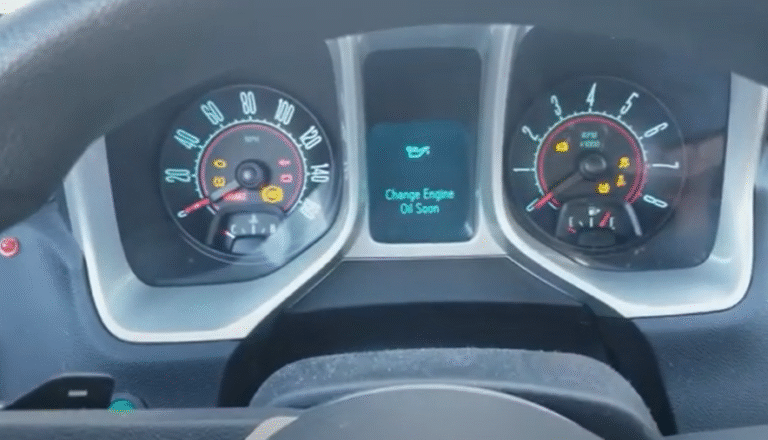
You can check your car’s oil pressure with a gauge on the dash that reads “Oil.” If it’s low, add more oil until it reaches the proper level. You should also check your owner’s manual to see what the ideal range is for your specific vehicle.
What is a Good Oil Pressure at Idle?
If your car is idling and the oil pressure gauge is reading between 20 and 40 psi, then that is considered to be within the normal range. Anything above or below that range could indicate a problem with your car’s engine. If the oil pressure is reading 0 psi, that means there is no oil pressure and this could be very dangerous for your engine.
What Oil Pressure is Too Low?
Assuming you are referring to car engines, most cars will have an oil pressure gauge somewhere on the dash that will give you a reading in psi. Oil pressure can change based on engine speed and load. At idle, oil pressure should be around 20-40 psi.
When driving, it should be around 40-60 psi. If your oil pressure is reading below 10 psi, that is generally considered too low and you should pull over and shut off the engine as soon as possible. Low oil pressure can cause major engine damage if left unchecked.
How important is engine oil pressure and how much oil pressure do you need? Engine oil pressure
Normal Oil Pressure Diesel Engine
Most people are aware that their car has an oil pressure gauge, but many don’t know what the numbers on the gauge mean. Normal oil pressure for a diesel engine should be between 40-60 psi when the engine is idle. If the oil pressure is lower than this range, it could be an indication of a problem with your engine.
If you notice your oil pressure dropping, make sure to check your engine’s oil level and add more if needed. If the problem persists, it’s best to take your car to a mechanic to have it checked out.
What is High Oil Pressure
High oil pressure is a condition in which the oil pressure in an engine is higher than normal. This can be caused by several things, including a faulty oil pump, clogged oil filter, or low oil level. High oil pressure can also be caused by high engine speeds or excessive heat.
If left unchecked, high oil pressure can damage your engine.
What Should Oil Pressure Be at Idle
If you’re wondering what your oil pressure should be at idle, the answer is that it depends on the make and model of your vehicle. However, there are some general guidelines you can follow. For example, most passenger cars will have an oil pressure of around 20-35 psi at idle.
This means that when you’re stopped at a red light or sitting in traffic, your oil pressure should be within this range. If it’s lower than 20 psi, it’s time to add more oil. If it’s higher than 35 psi, there may be a problem with your engine and you should take it to a mechanic for diagnosis.
What is Normal Oil Pressure in a Truck
Assuming you would like a blog post discussing normal oil pressure in a truck: “What is Normal Oil Pressure in a Truck?” Most people know that it’s important to regularly check their vehicle’s engine oil level and top it off if needed.
But did you know that it’s just as important to pay attention to your engine’s oil pressure? This crucial stat helps keep your motor running smoothly and efficiently and can be easily checked with a glance at the gauge on your dash. So what is considered normal oil pressure in a truck?
Let’s take a look. When it comes to oil pressure, every truck is different. However, most mechanics agree that anything within the range of 20-60 psi is generally considered safe.
If your truck’s oil pressure falls below 20 psi, it’s time for an immediate pit stop – low oil pressure can cause serious damage to your engine if left unchecked. On the other hand, if the needle on your gauge creeps above 60 psi, there could be an issue with your truck’s internal workings that should be inspected by a professional as soon as possible. It’s worth noting that these numbers are only meant as general guidelines – for more accurate information specific to your truck, consult your owner’s manual or ask a qualified mechanic.
And of course, always trust your gut – if something doesn’t feel right while you’re driving, pull over and investigate further rather than risk doing long-term damage to your beloved ride.
Conclusion
Good oil pressure is the key to a healthy engine. Without it, your engine will eventually succumb to wear and tear. Oil pressure keeps your engine’s moving parts lubricated, prevents metal-on-metal contact, and helps dissipate heat.
If your oil pressure is low, it’s time to take action.