Why Cabover Trucks Popularity Declined US Regulations History: Uncovered
Have you ever wondered why cabover trucks, once a common sight on American roads, have almost disappeared? If you’re curious about the shift in truck design and what role US regulations played, you’re in the right place.
Understanding this change isn’t just about trucks—it’s about how rules, safety, and efficiency shape the vehicles that move our world. Keep reading to discover the surprising reasons behind the decline of cabover trucks and what it means for the future of trucking.
Rise Of Cabover Trucks
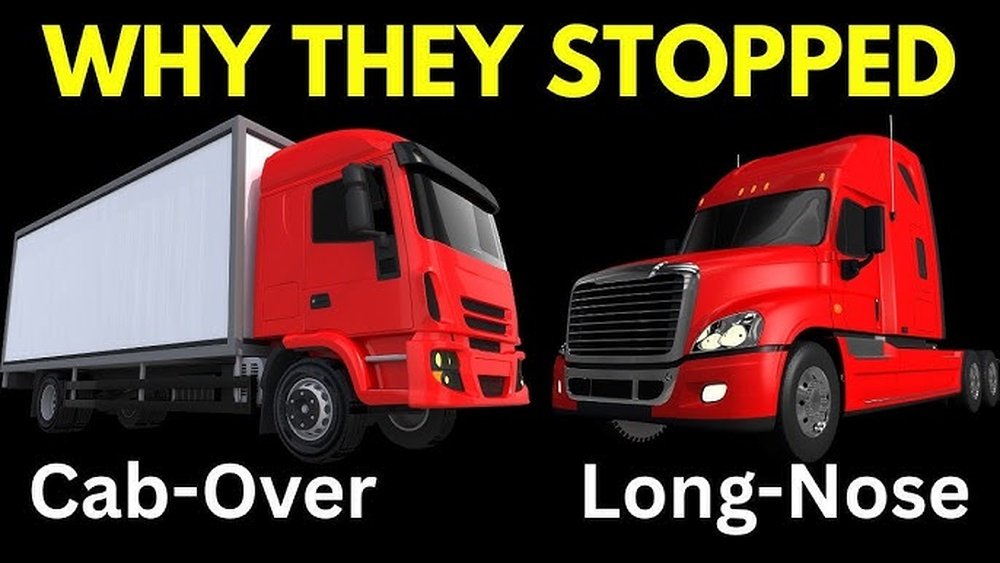
Cabover trucks were once popular for their compact design and easy maneuvering. Changes in U. S. regulations and safety standards made them less common. Longer regulations favored conventional trucks, leading to a decline in cabover use.
Early Popularity Of Cabover Trucks
Cabover trucks first gained popularity in the mid-20th century. Their design placed the cab above the engine, making the trucks shorter. This allowed drivers to haul larger loads in tight spaces. Cities and warehouses welcomed this compact design. It made parking and maneuvering easier. Truckers appreciated the clear front view for better road visibility.
Fuel Efficiency And Space
Cabover trucks used less fuel than many conventional trucks. Their smaller body reduced wind resistance. This helped companies save money on fuel. The design also maximized cargo space. Businesses could carry more goods per trip. This efficiency made cabovers a smart choice for many fleets.
Regulatory Support For Cabovers
US regulations in the 1950s and 1960s favored shorter trucks. Length limits pushed manufacturers to build compact vehicles. Cabovers fit these rules perfectly. Rules allowed longer trailers if the truck was shorter. This boosted cabover sales. They matched the laws better than conventional trucks.
Growth In Urban Deliveries
Urban areas grew rapidly after World War II. Narrow streets and busy traffic made large trucks difficult to use. Cabover trucks thrived in cities. Their size helped drivers navigate crowded roads. Businesses used them for deliveries in tight spaces. This demand kept cabovers popular for decades.

Credit: louisvillebeautyacademy.net
Key Us Trucking Regulations
US trucking rules limited truck length, affecting cabover design and comfort. Changes in safety and size laws made conventional trucks more common. These regulations shaped the shift away from cabover trucks over time.
Weight And Size Limits
US trucking rules set strict weight and size limits for trucks. These limits affect truck design and load capacity. Cabover trucks, with shorter frames, once fit well within these limits. Over time, new rules allowed longer trucks, favoring conventional designs with longer hoods. These designs improved driver comfort and safety but reduced cabover trucks’ appeal.
Driver Hours Of Service
Regulations limit how many hours truck drivers can work without rest. These rules aim to reduce accidents caused by fatigue. Longer driving hours require more comfortable cabins. Conventional trucks offer more space for rest areas than cabover trucks. This shift made conventional trucks more popular among drivers and companies.
Safety And Emissions Standards
US rules demand high safety and emissions standards for trucks. Meeting these standards often requires design changes. Conventional trucks adapt better to new technology like advanced engines and safety features. Cabover trucks faced challenges fitting these upgrades due to their compact design. This made them less common on US roads.
Impact Of Safety Standards
Safety rules in the US made cabover trucks less popular over time. These trucks had higher risks in crashes. Newer rules favored trucks with better driver protection.
Safety rules changed the truck industry in the US. These rules made truck designs focus more on protecting drivers and others on the road. Cabover trucks, with their flat fronts, faced new challenges under these rules.
As safety standards grew stricter, cabover trucks struggled to meet them. The design placed the driver right above the front axle. This left less space to add safety features like crash zones or airbags.
Crash Protection Challenges
Cabover trucks had less room to absorb impact in crashes. US rules demanded better protection against front collisions. The short nose of cabovers made it hard to add safety structures. This put them at a disadvantage compared to conventional trucks.
Driver Safety And Comfort
New laws aimed to improve driver safety and comfort. Conventional trucks offered more space for airbags and seat designs. Cabovers felt cramped and less safe under these rules. Drivers began to prefer trucks that felt safer and more comfortable.
Visibility And Maneuverability Regulations
Rules also focused on better visibility and easier driving. Cabover trucks had good visibility but struggled with new maneuvering standards. These regulations favored designs that balanced safety with easy handling. Conventional trucks adapted more easily to these changes.
Shift In Driver Preferences
Driver preferences played a big role in the decline of cabover trucks. Over time, drivers started to favor trucks that offered better comfort and visibility. These needs shaped the truck designs that became popular in the US.
Comfort is key for long hours on the road. Cabover trucks have a flat front and a tight cabin space. This design limits the room inside. Drivers found conventional trucks more comfortable because they have more space to move and rest.
Visibility also matters. Drivers want a clear view of the road. Conventional trucks have a longer nose, which allows for larger windows and better sight lines. Cabover trucks’ design limits forward visibility, making driving harder, especially in bad weather or traffic.
Cabover Trucks And Driver Comfort
Cabover trucks lack space inside the cabin. Drivers often feel cramped during long trips. The flat front means seats sit right above the engine, causing more heat and noise. Conventional trucks place the engine in front, reducing cabin noise and heat. This difference made many drivers choose conventional models.
Visibility Challenges Of Cabover Trucks
Visibility is lower in cabover trucks. The flat design creates blind spots. Drivers can’t see as far ahead. Conventional trucks offer a better view because of their longer hoods. This helps drivers spot hazards sooner and drives safer.
Changing Driver Expectations
Drivers began to expect more from their trucks. Comfort and safety became top priorities. Cabover trucks did not evolve quickly to meet these new demands. The market shifted to trucks that offered more comfort and better visibility. This shift led to cabover trucks losing popularity in the US.
Modern Truck Design Trends
Modern truck designs focus on efficiency, safety, and driver comfort. Over the years, truck makers changed their approach to meet new rules and customer needs. These trends affected the popularity of cabover trucks.
New trucks have longer noses. This design improves crash safety and engine access. It also makes the ride quieter and more comfortable for drivers. These factors appeal to many truck owners.
Fuel efficiency is another key trend. Streamlined shapes and better engines help trucks use less fuel. This lowers costs and reduces pollution. Cabover trucks struggled to compete with these advances.
Driver comfort plays a big role too. Modern trucks offer more space inside the cabin. Better seats, sleeping areas, and technology improve long trips. Cabover models often have less room, which limits comfort.
Improved Safety Features
New trucks include advanced safety technology. Airbags, collision warnings, and stability control are common. These features protect drivers and others on the road. The cabover design made adding these features harder.
Engine Access And Maintenance
Trucks with long hoods allow easier engine access. Mechanics can fix problems faster and safer. Cabover trucks require tilting the entire cab, which takes more time and effort.
Driver Comfort And Space
Modern trucks have larger cabins with better layouts. Drivers enjoy more legroom and sleeping space. Modern designs reduce noise and vibration inside the cab.

Credit: en.wikipedia.org

Credit: www.ahajournals.org
Frequently Asked Questions
Why Did Cabover Trucks Lose Popularity In The Us?
Cabover trucks declined due to stricter US safety and size rules. Longer nose trucks offered better crash protection and comfort. These changes made cabovers less practical over time.
How Did Us Regulations Affect Cabover Truck Design?
US regulations required bigger front crash zones and longer trucks. Cabover designs couldn’t easily meet these new safety rules. This led manufacturers to prefer conventional trucks instead.
Were Cabover Trucks Popular Before Us Rule Changes?
Yes, cabovers were popular for their short length and easy parking. They fit well in tight city spaces and narrow roads. But new rules changed the trucking landscape significantly.
What Safety Issues Did Cabover Trucks Face In The Us?
Cabovers had less front impact protection due to their flat nose. This design posed risks in crashes compared to conventional trucks. Safety regulations pushed for safer truck designs.
Can Cabover Trucks Still Be Used In The Us Today?
Cabover trucks are rare but still used in some industries. They remain common in Europe and Asia where rules differ. In the US, conventional trucks dominate for long hauls.
Conclusion
Cabover trucks lost popularity mainly due to changing US rules. New safety and size laws favored conventional trucks. Drivers found conventional cabs more comfortable and easier to maintain. Fuel efficiency and engine improvements also played a role. Today, cabover trucks are rare on American highways.
Their design suits tight spaces but not long hauls. Understanding this history helps explain US truck trends. The shift reflects how laws and needs shape vehicle choices. Cabover trucks remain a part of trucking’s past, shaping the future.