Do You Connect Positive Or Negative First on a Battery: Expert Guide
When it comes to connecting a battery, one simple step can make all the difference between a smooth installation and a risky accident. You might wonder: should you connect the positive or negative terminal first?
This isn’t just a detail—getting it wrong can lead to sparks, short circuits, or even damage to your vehicle’s electrical system. If you want to avoid these headaches and handle your battery safely and confidently, understanding the right order is crucial.
Keep reading to discover the exact step-by-step process that will protect both you and your car every time you connect a battery.

Credit: www.youtube.com
Which Terminal To Connect First
Knowing which terminal to connect first on a battery is important for safety. The order can prevent sparks and damage. This simple step helps protect you and your vehicle’s electrical system.
Positive Terminal First
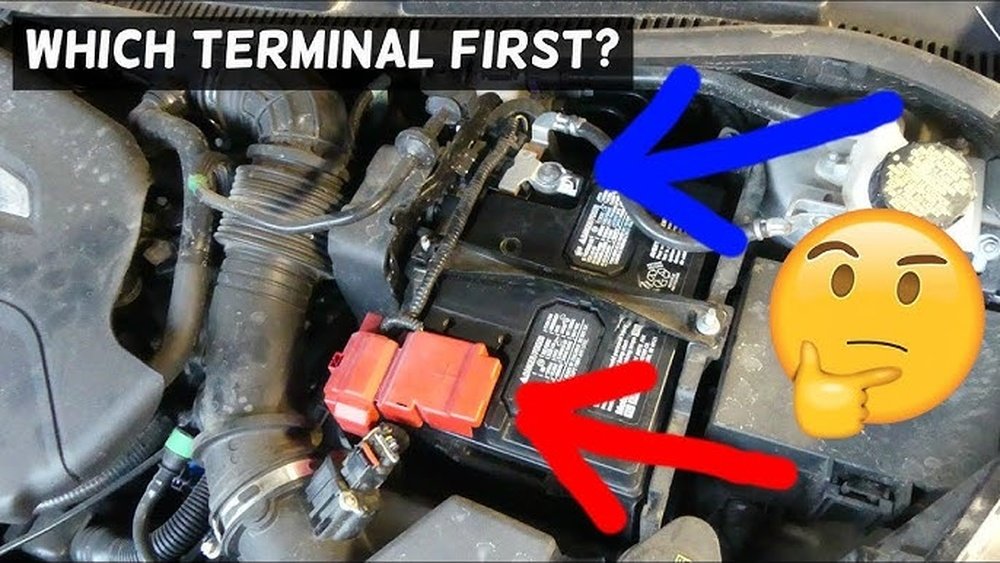
Always connect the positive terminal before the negative. The positive terminal usually has a red cover or a plus (+) sign. Connecting it first creates a safer path for electricity.
This step reduces the chance of a short circuit. If you connect the negative terminal first, the tool or cable can touch metal and cause sparks. Sparks can lead to injury or damage to the battery and car.
Why Positive First Matters
Connecting the positive terminal first keeps the electrical system grounded safely. It lowers the risk of accidentally completing a circuit through your body or tools. This reduces electric shocks and sparks.
Once the positive terminal is secure, connect the negative terminal last. The negative terminal is connected to the car’s frame, which helps prevent accidental shorts. This order is the safest and most effective way to connect a battery.
Safety Risks Of Connecting Negative First
Connecting the battery terminals in the wrong order can cause serious safety risks. Connecting the negative terminal first increases the chance of accidents. Understanding these dangers helps prevent damage and injury. Here are the key safety risks involved in connecting the negative terminal first.
Sparking And Short Circuits
Connecting the negative terminal first can cause sparks. Sparks happen if the positive clamp touches metal by accident. This creates a short circuit, which can damage the battery or vehicle. Sparks may also ignite flammable gases near the battery. This risk makes connecting negative first unsafe.
Grounding And Electrical Hazards
The negative terminal is usually connected to the car’s ground. Connecting it first completes the circuit early. If the positive clamp then touches any metal part, it can cause a strong electric shock. This can harm the person handling the battery or damage the vehicle’s electrical system. Connecting positive first reduces this risk.
Correct Order For Disconnecting Battery
Knowing the correct order for disconnecting a battery is important for safety. Disconnecting in the right sequence helps avoid sparks and electrical shorts. It also protects the battery and the vehicle’s electrical system from damage.
Negative Terminal First
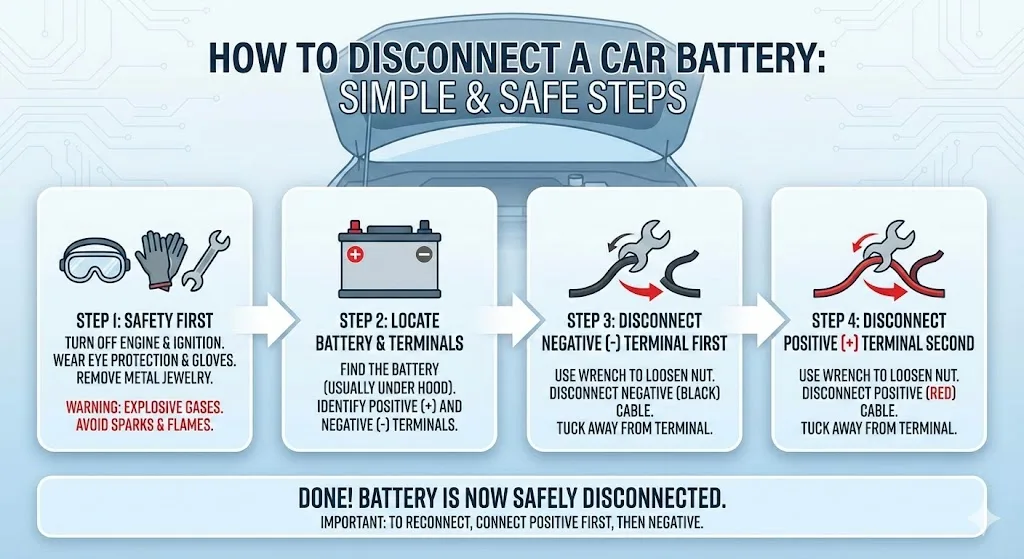
Always disconnect the negative terminal first. The negative terminal is usually marked with a minus sign (-) and often has a black cable. Removing this terminal first cuts the circuit to the vehicle’s chassis. This step reduces the chance of accidental electrical contact and sparks.
If you remove the positive terminal first, the tool could touch metal parts and cause a short circuit. Disconnecting the negative terminal first keeps the system grounded and safer to handle.
Positive Terminal Last
After the negative terminal is safely disconnected, remove the positive terminal next. The positive terminal is marked with a plus sign (+) and usually has a red cable. Removing it last ensures no current flows through the battery connections. This order helps prevent electrical shocks or damage to the vehicle’s electrical components.
Following this sequence makes battery removal safer and more effective for anyone working on a car or other battery-powered device.
Credit: www.simivalleychryslerdodgejeepram.com
Tips For Safe Battery Installation
Installing a battery requires care and attention. Following simple safety tips helps avoid accidents and damage. Proper steps ensure a safe and successful battery installation. Below are essential tips to keep in mind during the process.
Using Proper Tools
Use the right tools for battery installation. A wrench or socket set fits most battery terminals. Avoid using pliers or other tools that may slip. Insulated tools reduce the risk of electric shock. Keep tools clean and in good condition for safe use.
Consulting Vehicle Manuals
Always check the vehicle manual before starting. Manuals provide specific instructions for your car model. They explain the correct battery type and terminal to connect first. Following the manual reduces the chance of mistakes and damage. Manuals also list safety warnings to protect you during installation.
Credit: www.4c-forums.com
Frequently Asked Questions
What Is The Correct Order To Hook Up A Battery?
Connect the positive terminal first to avoid sparks. Then connect the negative terminal. When disconnecting, remove negative first.
What Happens If You Connect Black First?
Connecting the black (negative) terminal first can cause sparks or short circuits if the positive terminal or metal parts touch accidentally. Always connect the positive terminal first to reduce risk and ensure safety. This prevents electrical shorts and protects both you and the vehicle.
When Connecting A 12 Volt Battery, Which Terminal First?
Always connect the positive terminal first when attaching a 12-volt battery. Connect the negative terminal second to avoid sparks and short circuits.
Do I Disconnect The Black Or Red First?
Disconnect the black (negative) terminal first to prevent sparks. Always remove the red (positive) terminal second for safety.
Conclusion
Always connect the positive terminal first to keep safety in check. This order helps avoid sparks and short circuits. Then connect the negative terminal last to complete the setup. Remember to disconnect the negative terminal first when removing the battery.
Following these steps protects you and your vehicle from damage. Simple steps make battery handling safer and easier. Stay safe by connecting the positive side first every time.