Do You Have to Change Rotors When Replacing Brake Pads? Essential Guide
Are you wondering if you really need to change your rotors when replacing brake pads? It’s a question many car owners face, especially when it’s time for routine brake maintenance.
The truth is, you don’t always have to replace your rotors every time you swap out the pads—but knowing when to do so can save you money and keep your brakes working smoothly. You’ll discover the key signs that show whether your rotors need replacing or if they’re still good to go.
By the time you finish reading, you’ll feel confident about making the right choice for your vehicle’s safety and performance. Keep reading to find out what to look for and how to avoid costly mistakes!

Credit: www.reddit.com
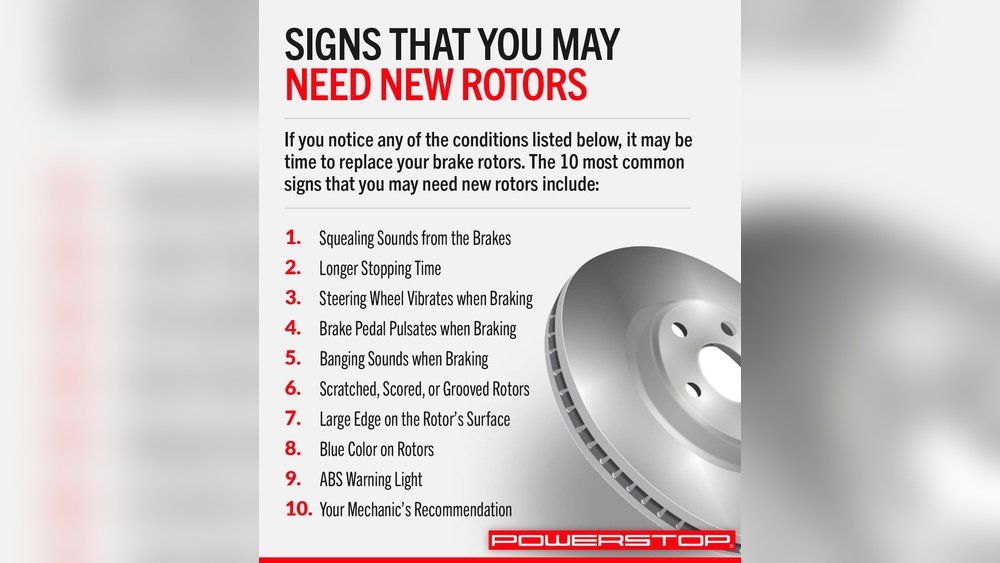
When To Replace Rotors
Knowing when to replace rotors is key to keeping your brakes safe. Rotors wear down over time and affect how well your brakes work. Some signs tell you it is time to swap them out. Below are main factors that help decide when rotors need replacement.
Thickness Limits
Every rotor has a minimum thickness. This number is set by the car maker. If your rotor is thinner than this, it must be replaced. Thin rotors can crack or warp easily. A mechanic measures rotor thickness with a tool called a micrometer. This check is simple but important for safety.
Warping And Vibration
Rotors can warp from heat or wear. Warped rotors cause the brake pedal to shake or vibrate. You may feel this when braking hard or at certain speeds. Warping reduces brake power and can damage other parts. If you notice shaking, have your rotors checked quickly.
Damage And Grooves
Rotors can get deep grooves or cracks from use or bad brake pads. These damages lower braking performance and increase stopping distance. Some rotors can be resurfaced to fix minor grooves. If the damage is severe, replacement is safer and better for your car.
Signs Rotors Are Still Good
Knowing whether your brake rotors are still good saves money and time. Rotors wear down with use but may not need replacement every time you change brake pads. Check for specific signs to determine if rotors remain in safe condition. These signs help decide if rotor replacement is necessary or if they can be reused.
Smooth Surface
Good rotors have a smooth, even surface. Feel the rotor by hand; it should not be rough or grooved. Deep grooves or scoring mean the rotor is worn. Smooth surfaces allow brake pads to grip properly. This ensures effective braking and avoids vibration or noise.
No Excessive Wear
Rotors must not have cracks, rust spots, or warping. Visual damage shows the rotor cannot perform well. Small rust patches can be cleaned, but large rust areas weaken the rotor. Warped rotors cause brake pedal pulsation. Avoid driving with damaged rotors for safety.
Proper Thickness
Rotors wear thinner over time. Each rotor has a minimum thickness limit set by the manufacturer. Measure thickness using a micrometer or caliper. If thickness is above the limit, rotors are safe to use. Below the limit, rotors must be replaced to maintain braking power.
Benefits Of Replacing Pads And Rotors Together
Replacing brake pads and rotors together offers many benefits. This approach ensures your braking system works smoothly and safely. It also prevents uneven wear and costly repairs. Below are key advantages of changing both parts at once.
Improved Braking Performance
New pads work best with new rotors. Old rotors can reduce the grip of new pads. This mismatch can cause vibrations and noise. Replacing both parts together gives better stopping power. It also creates a smooth, consistent braking feel. Your vehicle stops more quickly and safely.
Longer Component Life
New rotors help brake pads last longer. Worn rotors can damage new pads quickly. This means you may need to replace pads sooner. Installing fresh rotors and pads reduces wear on both. It helps your braking system stay reliable for more miles. This saves you from frequent repairs.
Cost And Time Efficiency
Changing pads and rotors at once saves money over time. Doing both jobs separately costs more in labor. It also takes more time at the shop. Combining the work means fewer visits to the mechanic. This reduces your overall repair expenses and hassle.

Credit: www.youtube.com
Resurfacing Vs Replacing Rotors
Deciding between resurfacing and replacing brake rotors is crucial when changing brake pads. Both methods aim to restore smooth braking but differ in cost, time, and effectiveness. Understanding their benefits and limits helps you choose the best option for your vehicle and safety.
When Resurfacing Works
Resurfacing removes a thin layer of the rotor’s surface. It fixes minor grooves, rust, and uneven wear. This process restores a smooth, flat surface for better brake pad contact. Resurfacing is best when rotors are still thick enough and not cracked.
This option saves money compared to replacing rotors. It also takes less time, making it ideal for routine maintenance. Resurfacing can extend rotor life if damage is minimal.
Limitations Of Resurfacing
Rotors have a minimum thickness limit. Resurfacing beyond this limit weakens the rotor. Thin rotors overheat easily and may warp or crack. Deep grooves or severe damage cannot be fixed by resurfacing.
Repeated resurfacing reduces rotor thickness and strength. If rotors are old or heavily worn, replacement is safer. Resurfacing also cannot fix cracked or bent rotors.
Choosing The Best Option
Check rotor thickness and condition before deciding. Use a micrometer to measure thickness accurately. Compare measurements to the manufacturer’s minimum thickness.
If rotors pass the thickness test and damage is minor, resurfacing is fine. For rotors below the limit or with serious defects, replacement is necessary. Consider the cost and time of both options too.
Choose what ensures safe, smooth braking and long-term reliability. Your mechanic can help you assess the condition and recommend the best choice.

Credit: www.youtube.com
Frequently Asked Questions
What Happens If I Change Pads But Not Rotors?
Changing brake pads without replacing rotors can cause uneven wear, reduced braking performance, and vibrations. Rotors may warp or develop grooves, leading to noise and shorter pad life. Always inspect rotors for thickness, warping, and damage to ensure safe, effective braking.
Do I Need To Replace My Rotors Every Time I Replace My Brake Pads?
No, you don’t need to replace rotors every time you replace brake pads. Check rotor thickness, warping, and surface damage first. Replace rotors only if they are worn below the minimum thickness, warped, or deeply scored to ensure safe braking performance.
What Else Should I Replace When Replacing Brake Pads?
Replace rotors if warped, too thin, or damaged. Also check brake hardware and fluid for optimal performance.
Is It Ok To Replace Just One Rotor?
Replacing just one rotor is generally not recommended. Uneven rotor wear can cause brake imbalance and vibrations. For optimal safety and performance, replace rotors in pairs on the same axle. This ensures even braking and prolongs the lifespan of your brake system components.
Conclusion
Replacing brake pads does not always mean changing rotors. Check rotor thickness, warping, and damage carefully. Thin or warped rotors reduce braking safety and comfort. Smooth, healthy rotors help brake pads last longer. Consult a trusted mechanic to inspect your rotors.
Proper maintenance keeps your brakes working well and your drives safe. Choose wisely to balance cost and safety on the road.