Why Does Manual Transmission Fluid Require Maintenance: Essential Tips
You rely on your manual transmission to give you control, precision, and a true driving experience. But have you ever wondered why the fluid inside it needs regular maintenance?
Just like the oil in your engine, manual transmission fluid plays a crucial role in keeping your gears shifting smoothly and your vehicle running efficiently. If you neglect it, you risk damage that can lead to costly repairs and a loss of performance.
You’ll discover exactly why manual transmission fluid requires upkeep, how it affects your driving, and what you can do to protect your transmission for the long haul. Keep reading to ensure your car stays in top shape and your driving stays enjoyable.

Credit: mygarageairdrie.ca
Role Of Manual Transmission Fluid
Manual transmission fluid plays a vital role in keeping the transmission system healthy. This fluid helps the gears work smoothly and protects the transmission from damage. Without the right care, the fluid can lose its effectiveness, which may cause problems with shifting and wear down parts faster.
Lubrication And Cooling
The fluid lubricates all moving parts inside the transmission. This reduces friction between metal parts. Friction causes heat, and the fluid helps carry this heat away. Keeping the transmission cool prevents overheating and damage.
Protecting Transmission Components
Manual transmission fluid forms a protective layer on gears and bearings. This layer stops metal parts from grinding against each other. It also helps stop rust and corrosion, which can weaken the transmission components over time.
Maintaining Smooth Gear Shifts
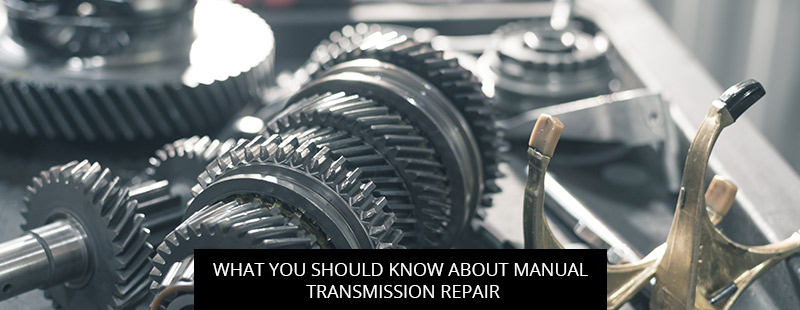
Good fluid allows gears to shift easily without grinding. It helps the synchronizers work properly so you can change gears smoothly. Dirty or old fluid can cause stiff or noisy shifting, reducing driving comfort and control.
Credit: www.mistertransmission.com
Causes Of Fluid Degradation
Manual transmission fluid plays a crucial role in keeping your transmission running smoothly. Over time, this fluid can degrade and lose its effectiveness. Understanding the causes of fluid degradation helps explain why maintenance is necessary. Several factors contribute to this breakdown, affecting transmission performance and longevity.
Contamination By Metal Particles
Inside the transmission, metal parts grind and move constantly. This movement creates tiny metal particles. These particles mix with the fluid, contaminating it. Contaminated fluid can cause more wear and tear. It reduces the fluid’s ability to protect and lubricate.
Breakdown Of Additives Over Time
Transmission fluid contains special additives to protect the system. These additives prevent rust, reduce friction, and keep parts clean. Over time, these additives wear out or break down. When this happens, the fluid loses its protective qualities. This leaves the transmission vulnerable to damage.
Effects Of Heat And Friction
Heat builds up inside the transmission during use. Friction between moving parts also generates heat. High temperatures cause the fluid to thin out and lose strength. Heat also accelerates chemical changes in the fluid. This results in faster degradation and less effective lubrication.
Signs Of Fluid Problems
Recognizing signs of fluid problems in a manual transmission helps prevent serious damage. Fluid issues often affect how smoothly your vehicle shifts. Early detection can save costly repairs.
Unusual Noises And Grinding
Grinding sounds during gear changes often signal fluid problems. Low or dirty fluid causes poor lubrication. This leads to metal parts scraping each other.
You may hear whining or clunking noises. These sounds indicate friction inside the transmission. Addressing fluid issues can reduce noise and wear.
Difficulty Shifting Gears
Hard or stiff gear shifts may point to fluid trouble. Proper fluid levels allow smooth gear movement. Thick or contaminated fluid makes shifting tough.
Sometimes gears slip or fail to engage. This happens when fluid fails to protect internal parts. Regular fluid checks keep shifting easy and reliable.
Fluid Color And Consistency Changes
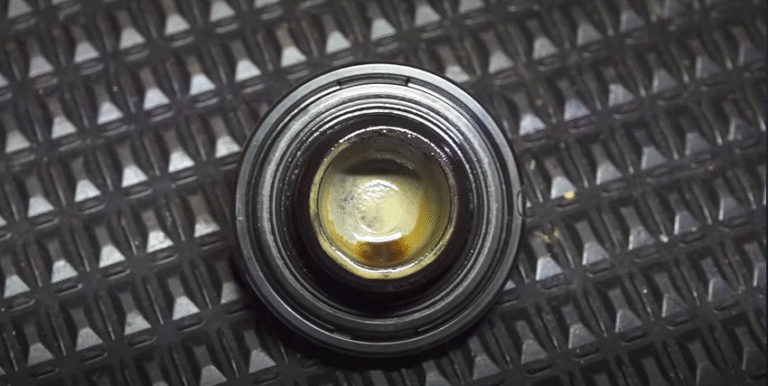
Healthy manual transmission fluid is clear and bright. Dark or murky fluid shows contamination or breakdown. Thick, sludgy fluid cannot lubricate effectively.
Look for metal particles in the fluid. These bits signal internal wear and tear. Changing the fluid restores its proper color and texture.
Maintenance Best Practices
Maintaining manual transmission fluid is essential for smooth gear shifts and long transmission life. Proper care helps avoid costly repairs and keeps your vehicle running well. Follow these best practices to ensure your transmission fluid stays effective and clean.
Recommended Fluid Change Intervals
Manual transmission fluid should be changed regularly. Most manufacturers suggest changing it every 30,000 to 60,000 miles. Check your owner’s manual for specific intervals. Regular changes prevent buildup of metal particles and dirt that damage the transmission.
Choosing The Right Fluid Type
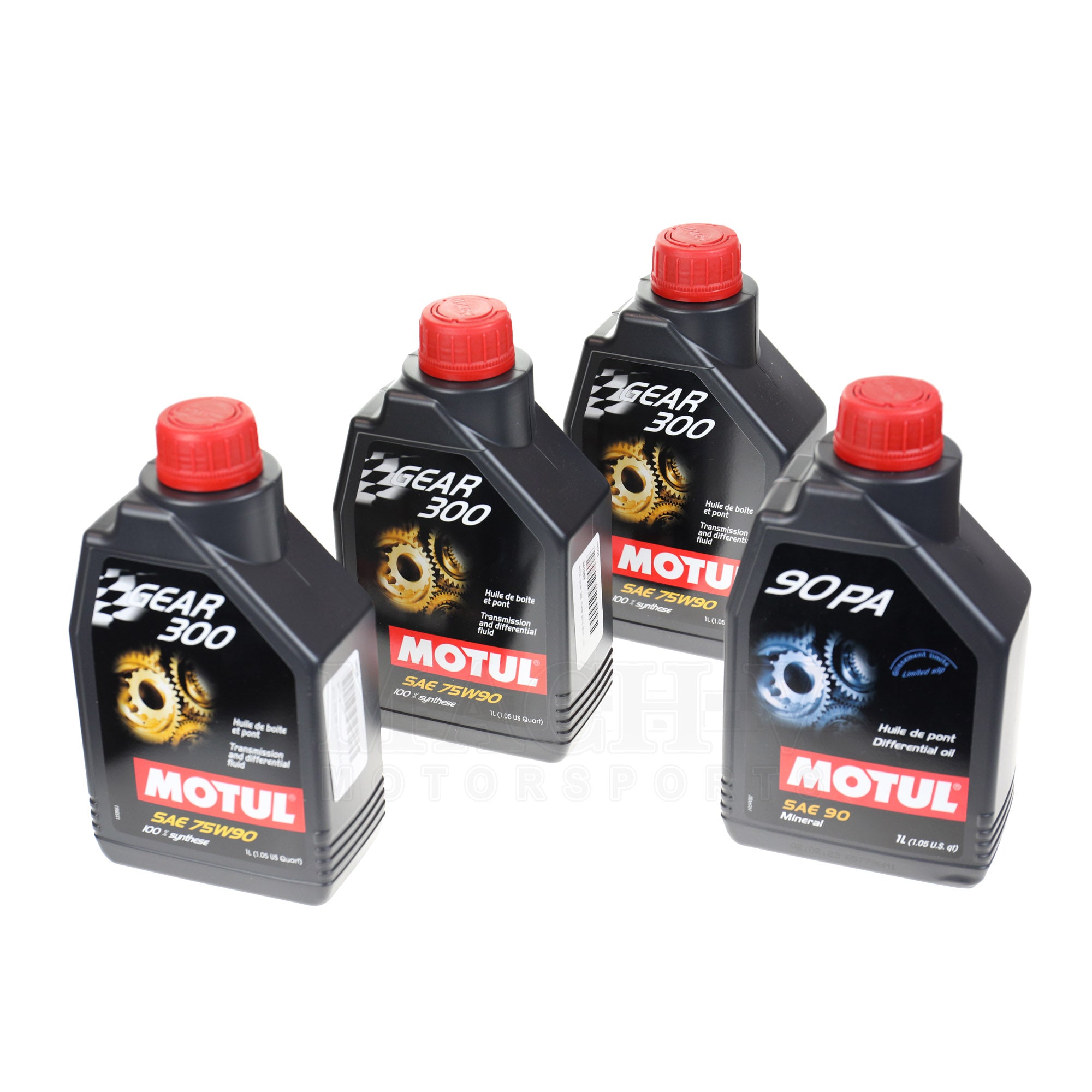
Use the fluid type recommended by the vehicle maker. Different transmissions need different fluid formulations. Using the wrong fluid can cause poor shifting and damage internal parts. Always confirm the correct fluid grade before adding or replacing it.
Professional Inspection And Fluid Replacement
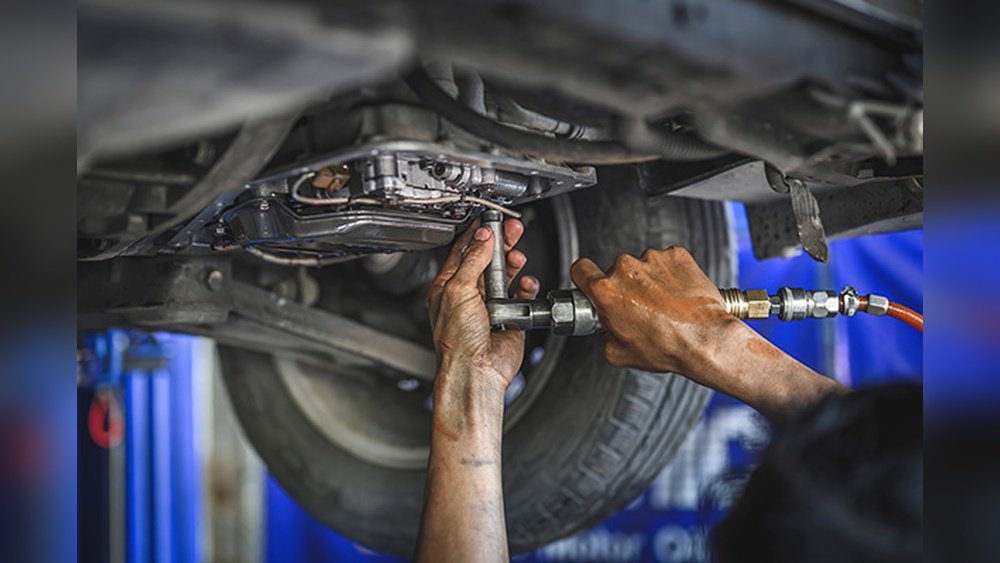
Have a certified mechanic inspect your transmission fluid during service visits. Professionals can spot signs of contamination or wear. They also drain and refill the fluid properly, ensuring no leaks or leftover old fluid. Professional care extends transmission life and improves performance.
Credit: www.fastwrx.com
Frequently Asked Questions
How Often Should A Manual Transmission Fluid Be Changed?
Change manual transmission fluid every 30,000 to 60,000 miles. Regular changes prevent metal shavings buildup and maintain smooth shifting. Check your vehicle’s manual for specific intervals.
Can Low Transmission Fluid Cause Stuttering?
Low transmission fluid can cause stuttering by reducing hydraulic pressure, leading to rough shifting and jerky movement.
Why Do Mechanics Say Not To Change Transmission Fluid?
Mechanics sometimes advise against changing transmission fluid to avoid stirring up debris that can cause damage. Some fluids last for life. Changing fluid incorrectly can lead to leaks or poor performance. Always follow the manufacturer’s maintenance schedule for your specific vehicle model.
Do Manual Transmissions Require Maintenance?
Yes, manual transmissions require regular maintenance, including fluid changes, to remove metal shavings and ensure smooth operation.
Conclusion
Regular maintenance of manual transmission fluid keeps your vehicle running smoothly. The fluid collects metal particles and loses its ability to protect components. Changing the fluid prevents wear and costly repairs later. Clean fluid ensures better gear shifts and longer transmission life.
Checking and replacing the fluid is a simple, important task. It helps maintain your car’s performance and reliability. Don’t ignore this small step for a healthier transmission. Keep your manual transmission fluid fresh and your drive enjoyable.