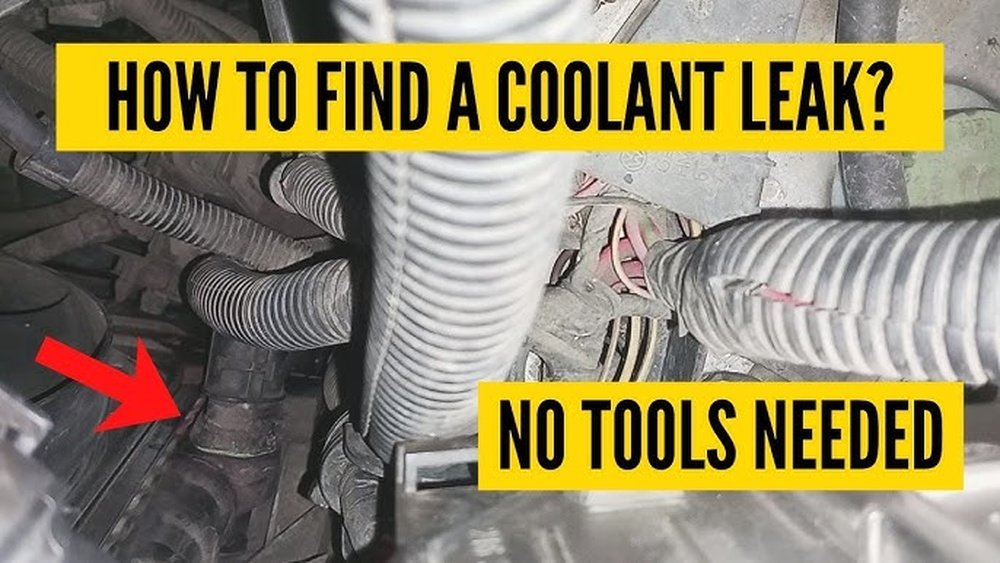
How to Find a Coolant Leak Without a Pressure Tester: Easy DIY Tips
Is your car’s engine running hotter than usual? You might have a coolant leak, and ignoring it can lead to costly repairs.
But what if you don’t have a pressure tester? Don’t worry—you can still find that leak on your own. You’ll discover simple, effective ways to spot a coolant leak without special tools. Keep reading, and you’ll save time, money, and avoid the stress of unexpected breakdowns.
Let’s get started!
Credit: www.howacarworks.com
Common Signs Of A Coolant Leak
Coolant leaks can cause serious engine problems if not spotted early. Knowing the common signs helps catch leaks fast. This saves money and prevents engine damage. Below are clear signs that suggest a coolant leak in your vehicle.
Visible Coolant Puddles
Check under your car for bright green, orange, or pink puddles. Coolant often has a distinct color and a sweet smell. Fresh puddles usually mean a leak. Dry spots may indicate an older leak.
Engine Overheating
The engine temperature gauge rising above normal often means low coolant. Without enough coolant, the engine gets too hot. Overheating can cause severe damage quickly.
Sweet Smell Inside Or Outside The Car
Coolant has a unique sweet smell. If you notice this scent inside or near your car, it might be leaking. The smell often comes from escaping steam or fluid.
Low Coolant Level In The Reservoir
Check the coolant reservoir regularly. A drop in fluid level without visible leaks means there could be a hidden leak. Keep an eye on the reservoir to catch leaks early.
White Smoke From The Exhaust
White smoke from the tailpipe can mean coolant is burning in the engine. This is a sign of a serious leak inside the engine. It needs immediate attention.
Credit: www.youtube.com
Inspecting The Radiator And Hoses
Inspecting the radiator and hoses is a key step in finding a coolant leak without a pressure tester. These parts handle the coolant flow and often show visible signs of leaks. Careful observation helps spot damage or wear before it worsens.
Start with the radiator. Look closely at its surface for any wet spots or discoloration. Coolant stains often appear as white, green, or orange marks depending on the coolant type. These stains usually form near cracks or holes.
Next, check the radiator cap. A damaged or loose cap can cause coolant to escape. Make sure the cap fits tightly and shows no cracks or rust.
Checking Radiator Fins For Damage
The radiator fins help cool the engine by allowing air to pass through. Bent or broken fins can reduce cooling and cause leaks. Run your fingers gently over the fins to feel for rough or sharp edges. Replace the radiator if many fins are damaged.
Examining Radiator Hoses For Cracks And Bulges
Radiator hoses carry coolant between the engine and radiator. Look for cracks, splits, or bulges on the hose surface. Soft or spongy spots may mean the hose is weak. Squeeze the hose gently to check its firmness. Replace hoses that feel too soft or show visible damage.
Looking For Coolant Residue Around Hose Connections
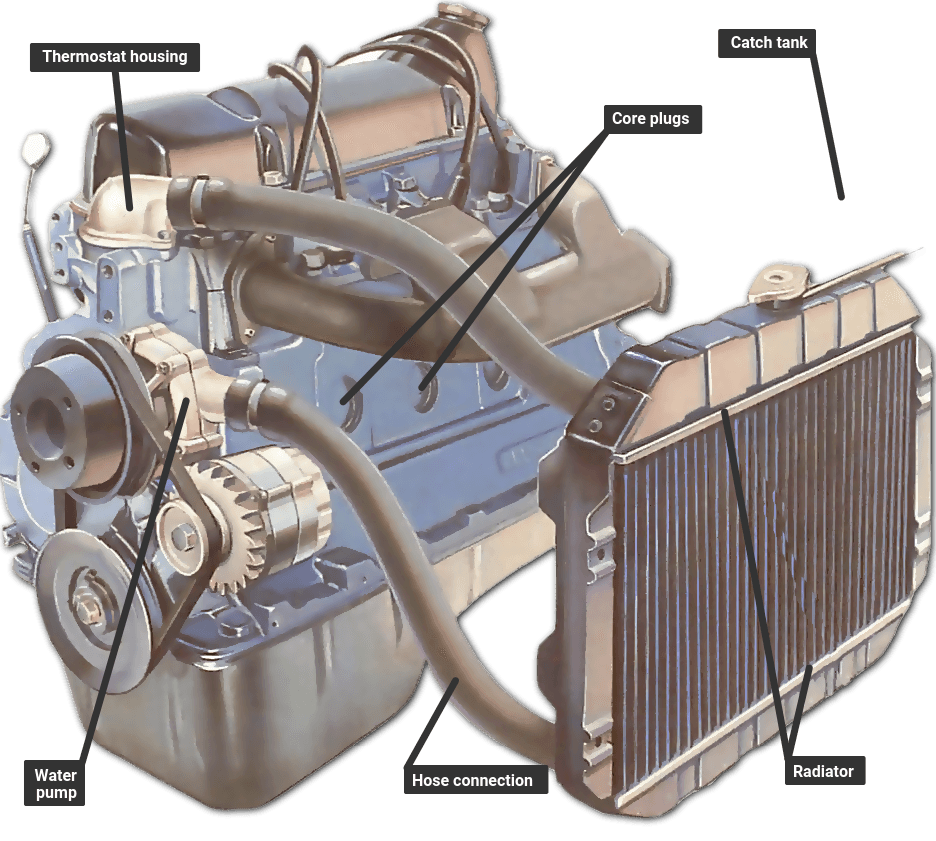
Hose connections can leak if clamps are loose or damaged. Check the areas where hoses connect to the radiator and engine. Coolant residue often collects here and looks like dried, crusty buildup. Tighten clamps or replace them if needed to stop leaks.
Checking The Coolant Reservoir
Checking the coolant reservoir is a simple way to spot leaks without special tools. This clear plastic container holds the extra coolant your engine needs. It gives clues about the system’s health and any possible leaks.
Start by locating the coolant reservoir under the hood. It usually has markings for minimum and maximum levels. These marks help you see if coolant is dropping over time.
Inspect The Coolant Level
Look at the coolant level when the engine is cold. The fluid should be between the minimum and maximum marks. A level below minimum may mean a leak or evaporation.
Check For Discoloration Or Dirt
Examine the coolant color inside the reservoir. It should be bright green, orange, or pink, depending on the type. Cloudy or rusty coolant suggests contamination or old fluid.
Look For Cracks And Damage
Carefully check the reservoir for cracks or damage. Small cracks can leak coolant slowly. Touch around the reservoir and feel for wet spots or sticky residue.
Observe Around The Reservoir Cap
Check the cap for tightness and cleanliness. A loose or damaged cap can cause leaks and pressure loss. Wipe away any coolant residue near the cap to see if it returns.
Monitor Coolant Level Over Days
Note the coolant level and check it again after a few days. A steady drop without use means a leak somewhere in the system. This simple tracking helps catch slow leaks early.
Using Uv Dye For Leak Detection
UV dye helps spot coolant leaks quickly by glowing under a UV light. Add the dye, run the engine, then check for bright spots. This method works well without needing a pressure tester.
What Is Uv Dye And How Does It Work?
UV dye is a special liquid that glows under a black light. It mixes with the coolant inside your vehicle. The dye moves through the cooling system, just like the coolant. When there is a leak, the dye escapes and collects around the problem area. Shining a UV light reveals the glowing dye, showing the exact leak spot.
Choosing The Right Uv Dye For Your Vehicle
Pick a UV dye made for automotive cooling systems. Some dyes work better with certain coolant types. Check the product label to match your coolant. Use only the recommended amount. Too much dye can cause issues in the system. Using the right dye ensures clear and safe results.
Steps To Detect A Coolant Leak Using Uv Dye
First, add the UV dye to the radiator or coolant reservoir. Run the engine for 15 to 30 minutes. This lets the dye flow through the cooling system. Turn off the engine and open the hood. Darken the area, then shine the UV light on hoses, connections, and the radiator. Watch for glowing spots that show leaks.
Safety Tips When Using Uv Dye
Wear gloves to avoid skin contact with the dye. Avoid spilling dye on painted surfaces. Clean any spills immediately. Work in a well-ventilated space. Keep UV lights away from your eyes. Follow all instructions on the dye package for safe use.
Performing A Visual Leak Test
Performing a visual leak test helps find coolant leaks without special tools. It requires patience and a sharp eye. This method lets you spot leaks by checking parts carefully. Early detection prevents engine damage and costly repairs.
Prepare Your Vehicle For Inspection
Start with a cool engine to avoid burns. Park on a flat surface and turn off the engine. Open the hood and look for steam or wet spots. Use a flashlight to see hidden areas better.
Check Around The Radiator And Hoses
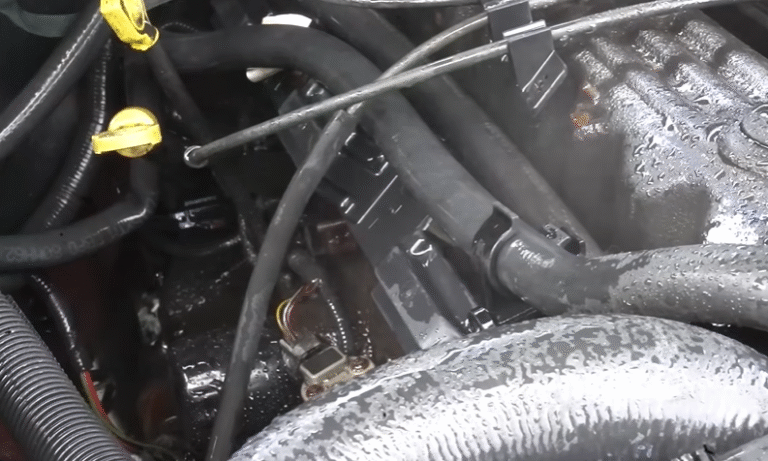
Look closely at the radiator for cracks or wet areas. Inspect hoses for cracks, soft spots, or loose clamps. Pay attention to connections where hoses meet the radiator or engine. Leaks often appear as dried coolant residue or wet stains.
Inspect The Water Pump And Engine Block
Look under the water pump for coolant drips or stains. Check the engine block near the thermostat housing. Any white or green deposits may show a slow leak. Wipe the area clean first to spot fresh leaks easier.
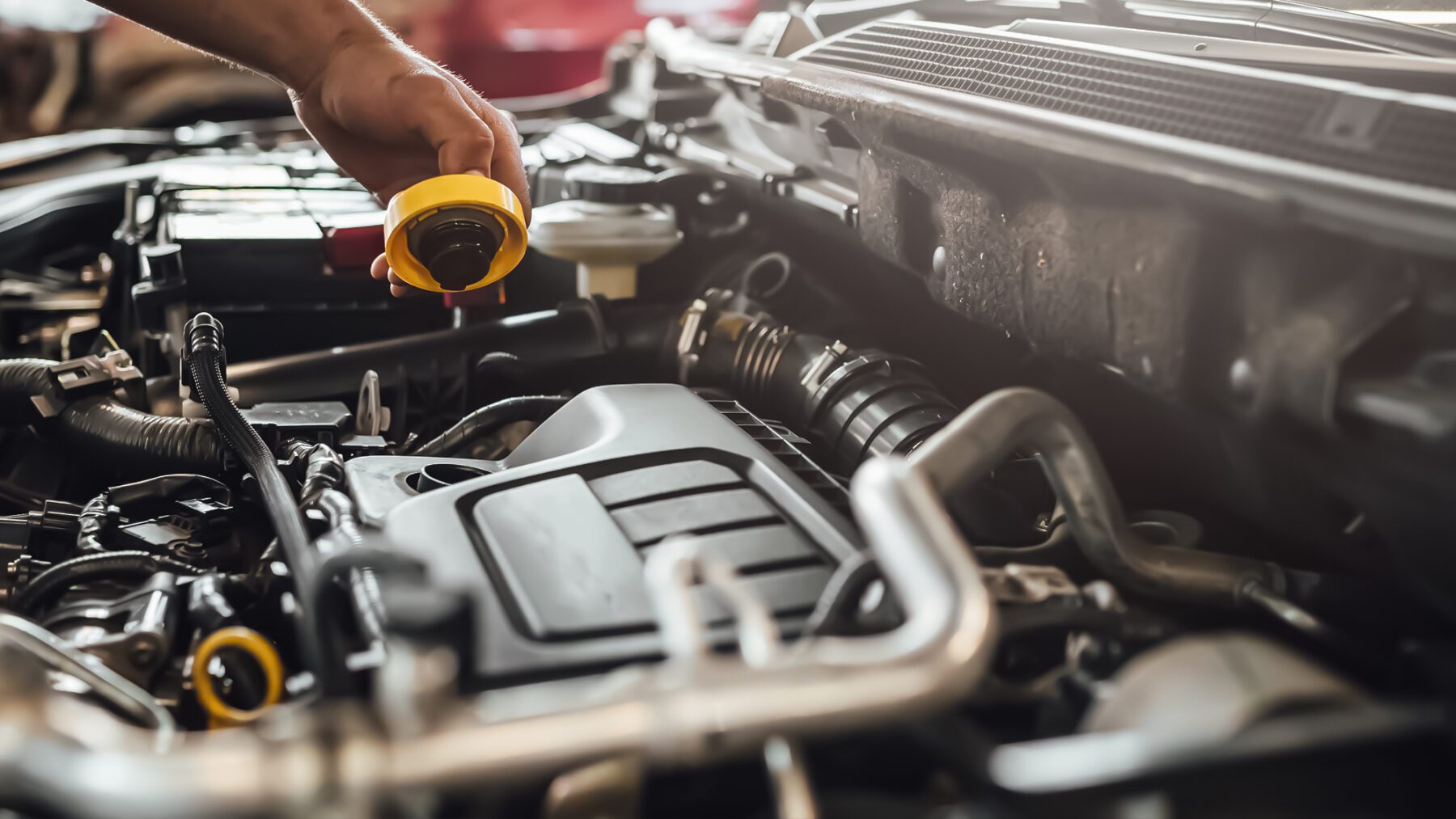
Examine The Coolant Reservoir And Cap
Inspect the coolant reservoir for cracks or leaks. Check the cap for damage or a loose fit. A bad cap can cause coolant to spill out. Clean the area around the cap before checking to see new leaks.
Credit: heartautocare.com
Monitoring Engine Temperature And Fluid Levels
Monitoring engine temperature and fluid levels helps detect coolant leaks early. These simple checks can save time and money. You do not need special tools to start.
Watch the engine temperature gauge on your dashboard. A steady rise beyond normal means a possible coolant leak. The engine may overheat if coolant escapes.
Check the coolant reservoir regularly. Look for low fluid levels or odd colors. Coolant should be clear or brightly colored, not rusty or muddy.
Observe Engine Temperature Gauge
The temperature gauge shows how hot the engine runs. A normal reading stays near the middle. If it climbs quickly or stays high, coolant might be leaking.
High temperature means the engine coolant is low or not circulating well. Stop the car and let the engine cool before checking under the hood.
Check Coolant Reservoir Level
Find the coolant reservoir under the hood. It is usually a translucent plastic tank with markings. The fluid should be between the “Min” and “Max” lines.
If the coolant level is below “Min,” add coolant to the proper level. Frequent drops in level suggest a leak somewhere in the system.
Look For Changes In Coolant Color And Smell
Coolant color helps spot contamination or leaks. Fresh coolant is bright green, orange, or pink. Brown or rusty colors indicate rust or dirt inside.
Smell the coolant near the reservoir or radiator cap. A sweet smell means coolant is present. An unusual or burnt smell may signal a leak or overheating.
Frequently Asked Questions
How Can I Spot A Coolant Leak Without Special Tools?
Look for wet spots, stains, or puddles under your car. Check hoses and radiator for cracks or damage.
What Are Common Signs Of A Coolant Leak In My Car?
Watch for overheating, low coolant levels, or a sweet smell near the engine. Steam or white smoke can also appear.
Can I Use Household Items To Detect A Coolant Leak?
Yes, a flashlight helps inspect dark areas. Tissue paper can reveal small drips by changing color when wet.
How Long Does It Take To Find A Coolant Leak Manually?
It usually takes 15 to 30 minutes to check visible parts carefully. More time might be needed for hidden leaks.
Is It Safe To Drive With A Suspected Coolant Leak?
Driving with a leak can cause engine damage. It’s best to fix the leak promptly or avoid driving until repaired.
Conclusion
Finding a coolant leak without a pressure tester is possible with patience. Check hoses, radiator, and engine carefully for wet spots. Look for dried coolant stains or puddles under your car. Use a flashlight to spot leaks in dark areas.
Keep your engine cool before inspecting to avoid burns. Fix small leaks quickly to prevent bigger problems later. Regular checks help keep your cooling system healthy. Stay calm and methodical during your search. Your car will thank you with better performance and fewer repairs.