Can You Pass Emissions With a Check Engine Light on? Find Out Now!
You see that glowing check engine light on your dashboard and immediately worry: Can you pass emissions with that light on? It’s a question that can cause a lot of stress, especially if you’re facing an upcoming emissions test.
You want to avoid costly repairs, but you also don’t want to risk failing and dealing with more headaches later. The truth is, the check engine light is more than just a warning—it often signals a problem that could affect your vehicle’s emissions.
Keep reading, because understanding what that light means for your test and what you can do about it could save you time, money, and frustration.
Check Engine Light And Emissions Tests
The check engine light (CEL) is a key factor in emissions testing. It signals a problem in the vehicle’s emission control system. Most states require the CEL to be off for passing the test.
The light often means the car’s computer has detected an issue. This issue could increase emissions beyond legal limits. As a result, a car with a CEL on usually fails the test.
What The Check Engine Light Indicates
The check engine light can mean many things. It might be a loose gas cap or a serious engine problem. The light stays on until the problem is fixed and the system resets.
Since emissions tests rely on the car’s computer data, a CEL on stops the test from being completed. The test system reads the fault codes from the car’s diagnostic system.
Why Emissions Tests Require The Light To Be Off
Emissions tests check if the car pollutes within legal limits. A CEL on means the car’s emissions system is not working correctly. This can cause higher pollution levels.
Test centers usually reject vehicles with a CEL on. The light shows that the car’s emission control system has failed or is compromised. Passing the test with a CEL on is very rare.
Steps To Take If The Check Engine Light Is On
Check the cause of the CEL before the test. Use a diagnostic tool or visit a mechanic. Fixing the issue turns the light off and clears fault codes.
After repairs, drive the car for a few days. This lets the computer reset and complete its self-tests. Then, the car is ready for a new emissions test.
Why The Light Affects Test Results
The check engine light signals a problem with your vehicle’s emissions system. This warning tells the testing station that your car may pollute more than allowed. Emissions tests are designed to catch these issues to protect the environment.
When the light is on, the testing equipment reads your car’s computer for fault codes. These codes show why the light is on and what might be wrong. If the system detects any trouble, the vehicle usually fails the emissions test.
Emission System Malfunctions Trigger The Light
The check engine light often means a part of the emission control system is not working right. This system controls harmful gases from your car’s exhaust. If a sensor or component fails, it can increase pollution. The test checks for these problems through the warning light.
On-board Diagnostics (obd) System Checks
Modern cars have an OBD system that monitors emissions and engine performance. The OBD system stores codes when it detects faults. During an emissions test, the OBD system is scanned. Any stored fault codes usually cause an automatic test failure.
Preventing False Passing
The check engine light helps prevent cars with hidden issues from passing. Without the light, some cars might pass despite higher emissions. The light ensures that only vehicles meeting pollution standards pass the test. This keeps air cleaner and safer for everyone.
State Regulations On Check Engine Lights
State regulations on check engine lights vary widely across the U.S. These rules affect whether a vehicle can pass an emissions test with the light on. Understanding local laws helps drivers prepare better.
Most states do not allow a car to pass emissions if the check engine light is illuminated. The light signals possible issues related to pollution control systems. Testing centers often use onboard diagnostics to check the light’s status.
Some states require repairs and a reset of the check engine light before testing. Others may allow a limited number of diagnostic trouble codes without failing the test. The key is knowing your state’s exact requirements.
States That Prohibit Passing Emissions With Check Engine Light On
Many states have strict rules banning passing with a check engine light on. California, Texas, and New York are examples. These states consider the light a sign of potential emissions problems. Vehicles must have the light off to pass.
States With Conditional Allowance For Check Engine Light
A few states allow passing if the check engine light is on under certain conditions. For instance, if the issue is minor or unrelated to emissions. Drivers may need to show recent repairs or diagnostics. Rules vary and often require proof of fix.
How States Use Onboard Diagnostics (obd) In Emissions Testing
OBD systems communicate vehicle health to inspectors. The check engine light is part of this system. States rely on OBD to detect emission faults quickly. If the light is on, it often triggers an automatic fail. This system helps catch issues before they worsen.
Credit: www.prnewswire.com
Steps To Take Before The Test
Preparing your vehicle before an emissions test improves the chance of passing. The check engine light signals a problem in the emissions system. Taking proper steps can help avoid test failure. Follow these simple actions to get ready for the test day.
Check For Diagnostic Trouble Codes (dtcs)
Use an OBD-II scanner to read the codes stored in your car’s computer. These codes reveal the exact issue triggering the check engine light. Knowing the problem helps you decide if a repair is needed before testing.
Fix Emissions-related Problems
Address any faults related to the emissions system. Common issues include faulty oxygen sensors, gas caps, or catalytic converters. Repairing these parts can turn off the check engine light and lower emissions.
Clear Codes And Drive The Vehicle
After repairs, clear the trouble codes with a scanner. Drive your car for several days or 50-100 miles. This allows the vehicle’s computer to run self-tests and reset readiness monitors for the emissions system.
Verify Readiness Monitors Status
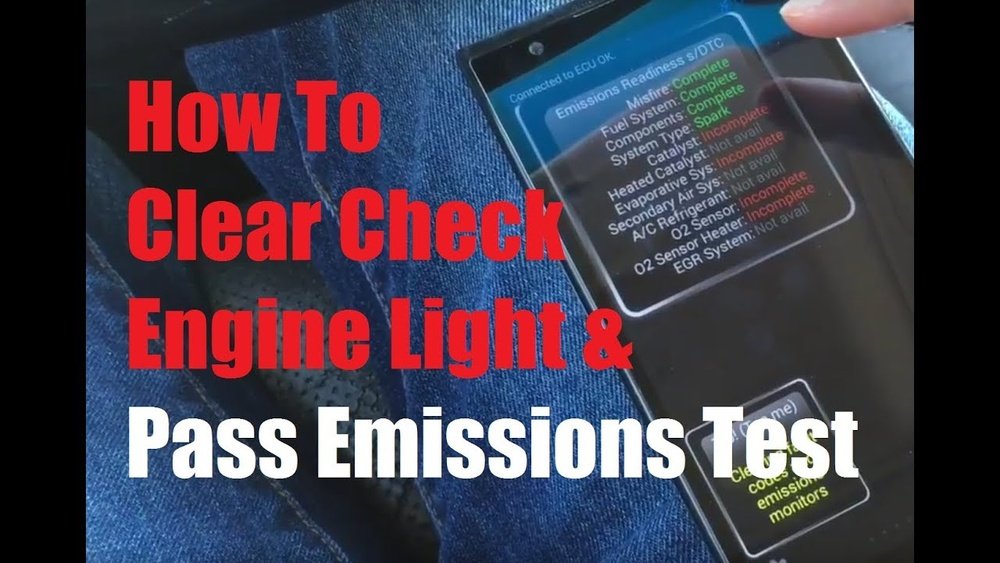
Before the test, check if all emissions readiness monitors are complete. An incomplete monitor can cause automatic failure, even if the light is off. Use a scanner to confirm all monitors show “ready.”
Check Tire Pressure And Fluids
Ensure tires are inflated to the recommended pressure. Low tire pressure can affect engine performance and emissions. Also, check the oil and coolant levels to avoid engine stress during the test.
Common Myths About Passing With The Light On
Many drivers believe they can pass an emissions test with the check engine light on. This idea is common but mostly wrong. The check engine light signals a problem that affects emissions. Ignoring it can lead to test failure and costly repairs.
Understanding the myths helps avoid surprises at the testing station. Let’s clear up some common misunderstandings about passing emissions with the light on.
Myth: The Check Engine Light Doesn’t Affect Emissions Test
Some think the light only warns about engine issues unrelated to emissions. The truth is the light often means the emissions system is faulty. Most states fail cars with an active check engine light.
Myth: Clearing The Light Before The Test Guarantees Passing
Turning off the light without fixing the problem is risky. The emissions system stores trouble codes. These codes can be detected even if the light is off. Test centers use scanners to find these hidden issues.
Myth: Minor Issues Won’t Cause Test Failure
Even small problems can trigger the light and cause failure. Emissions tests check for all faults that affect pollution. Ignoring minor faults can lead to bigger problems later.
Myth: You Can Pass If The Light Just Flickers
A flickering light often signals a serious problem. It means the engine is misfiring or has a major emissions fault. Most testing stations will fail vehicles with a blinking check engine light.

Credit: www.youtube.com

Credit: www.reddit.com
Frequently Asked Questions
How To Pass An Emission Test With An Engine Light On?
A check engine light usually causes automatic failure in emissions tests. Fix the underlying issue first, then clear the code. Retest after repairs to pass.
How Many Miles After Check Engine Light To Pass Emissions?
You must drive 50 to 100 miles after the check engine light turns off to reset the system. This helps ensure emissions readiness and increases chances to pass.
Does A Check Engine Light Mean You Will Fail An Emissions Test?
A check engine light usually means you will fail an emissions test. It signals an emissions-related problem needing repair.
How To Pass An Emissions Test With A P0420 Code?
To pass an emissions test with a P0420 code, fix the catalytic converter or related sensors. Clear the code and complete a full drive cycle before testing. Ensure no check engine light appears during the test. A repaired system improves emissions and helps pass the inspection.
Conclusion
A check engine light often means your car has an emissions problem. Most states will not pass your car with this light on. Fixing the issue before the test saves time and money. Clearing the light without repair may cause automatic failure.
Always address the root cause to ensure a successful emissions test. Taking care of your car helps the environment and keeps you safe on the road.