How Long Can I Drive With a Bad Catalytic Converter: Essential Guide
If your car’s catalytic converter is acting up, you’re probably wondering, “How long can I drive with a bad catalytic converter?” It’s a question many drivers face, especially when replacement costs loom large or you’re unsure about the urgency. The truth is, while your car might still run for a little while, ignoring a failing catalytic converter can quickly lead to serious problems.
From strange smells and overheating to engine damage, the risks pile up fast. You’ll learn exactly what happens when you keep driving with a bad catalytic converter, how long you can safely keep going, and the warning signs that mean it’s time to stop immediately.
Keep reading to protect your car—and your wallet—from costly repairs down the road.
Credit: www.autonationmobileservice.com
Signs Of A Failing Converter
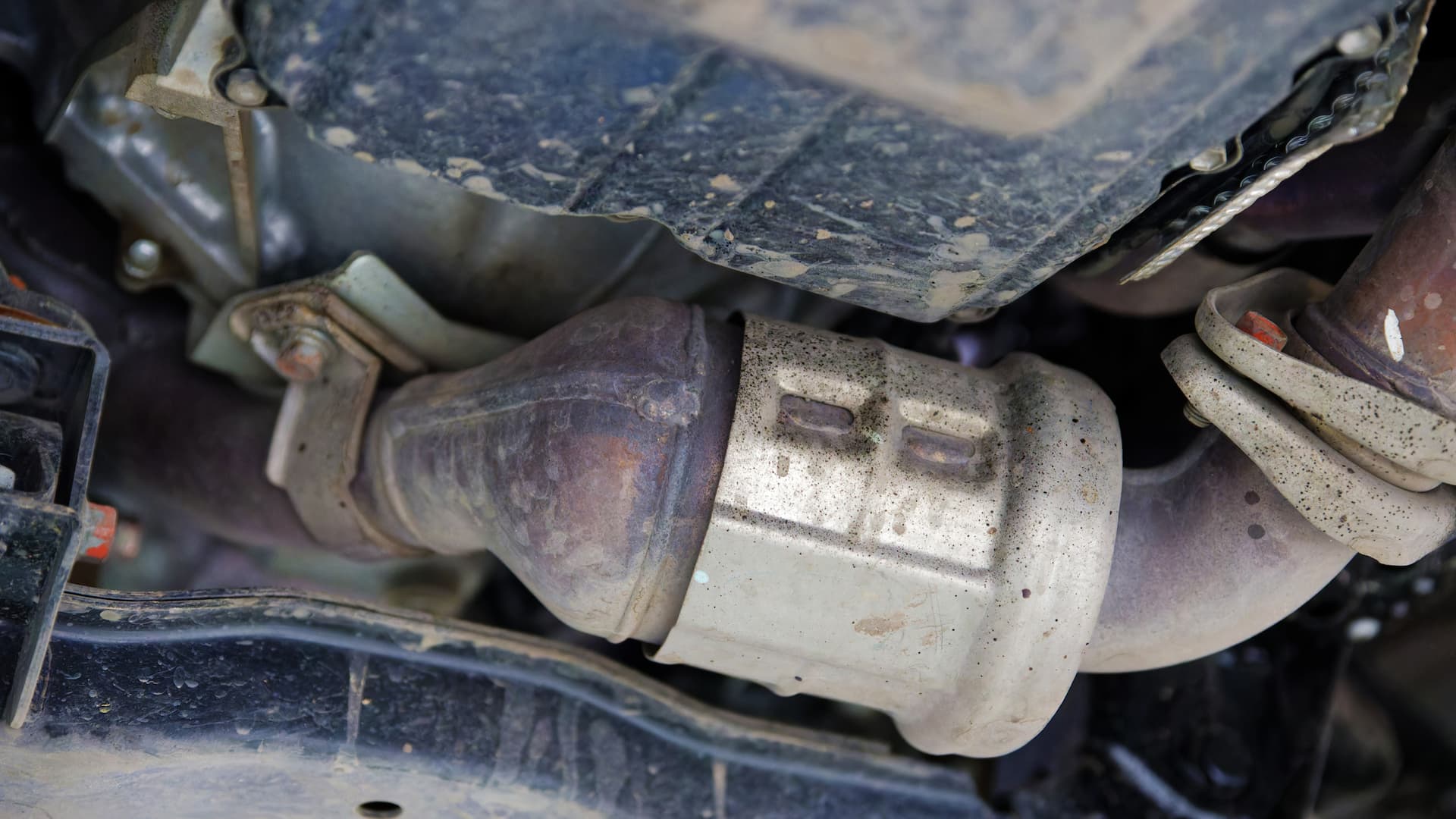
A failing catalytic converter often shows clear signs before it completely breaks down. Recognizing these signs early helps prevent severe damage to your vehicle. Watch for unusual symptoms that affect your car’s performance and safety. These indicators point to problems with the converter that need attention.
Overheating Symptoms
One common sign is overheating under the vehicle. The catalytic converter can get too hot if it is clogged or damaged. You might notice heat radiating from beneath your car. The engine temperature gauge may also rise unexpectedly. Overheating can cause serious engine damage if ignored.
Unusual Exhaust Smells
Bad smells coming from the exhaust are a strong warning. A failing converter often produces a rotten egg or sulfur odor. This smell means harmful gases are not being filtered properly. Breathing these fumes can be harmful and means your car needs a checkup.
Smoke And Engine Performance Issues
Smoke from the tailpipe is another red flag. Dark or thick smoke shows that the converter is not working well. You may also feel the engine losing power or running roughly. Poor acceleration and rough idling often follow converter problems. These issues can worsen over time and cause more damage.

Credit: www.youtube.com
Risks Of Driving With A Bad Converter
Driving with a bad catalytic converter poses serious risks. It affects your vehicle’s performance and safety. The converter controls harmful emissions and keeps the engine running smoothly. Ignoring its problems can lead to costly repairs and dangerous situations.
Engine Damage And Backpressure
A failing catalytic converter can cause backpressure in the engine. This pressure builds up as exhaust gases get trapped. It makes the engine work harder and run hotter. Over time, this can damage engine parts like valves and pistons. The head gasket may also fail, leading to expensive repairs. Driving with a clogged converter can cause total engine failure.
Environmental Impact
The catalytic converter cleans harmful gases before they leave the car. A bad converter releases toxic gases like carbon monoxide and nitrogen oxides. These gases pollute the air and harm people’s health. They contribute to smog and acid rain. Driving with a broken converter adds to environmental damage and can lead to failing emissions tests.
Potential Safety Hazards
A bad catalytic converter can cause your car to overheat. Excess heat under the hood can damage other parts and cause fires. Strange smells, like rotten eggs, may fill the cabin and make it hard to breathe. Dark smoke from the exhaust can reduce visibility for you and other drivers. These hazards increase the risk of accidents and health problems.
How Long You Can Drive Safely
Driving with a bad catalytic converter can be risky. Knowing how long you can drive safely helps prevent damage. The time varies depending on the converter’s condition and your driving habits. Understanding these factors protects your vehicle and keeps you on the road longer.
Duration Based On Converter Condition
The condition of your catalytic converter affects safe driving time. A partially failing converter may last a few weeks without major issues. A clogged or damaged converter can cause severe engine problems immediately. Avoid driving if you notice overheating or strange smells from the exhaust. These signs mean the converter is blocked and unsafe to drive.
Short-term Vs Long-term Driving
Short trips with a bad converter might be possible, but long trips increase risks. Long-term driving can cause overheating and engine damage. The converter’s failure can worsen over time, leading to costly repairs. Limit your driving to essential trips only. Plan to replace the converter as soon as possible.
Impact Of Emission Tests
A bad catalytic converter usually causes emission test failure. Some states require passing these tests to renew registration. Driving with a failing converter may be legal for a short time but not after testing. Failing an emission test means you must repair or replace the converter. Keep this in mind to avoid fines or registration issues.

Credit: rrcats.com
Immediate Actions To Take
Discovering a bad catalytic converter calls for quick, smart action. The damage can worsen fast, harming your car and safety. This section guides you through crucial steps right after noticing issues.
When To Stop Driving
Stop driving immediately if you see signs like overheating or strange smells. A clogged converter causes pressure that can ruin the engine. Dark smoke or a rotten egg smell means serious trouble. Continuing to drive risks expensive engine damage and unsafe conditions.
Temporary Fixes And Maintenance
Some temporary fixes can help but only briefly. Using fuel additives might clear minor clogs. Regular oil changes and engine tune-ups keep the system cleaner longer. Avoid heavy acceleration or towing to reduce strain on the converter. These actions buy time but do not replace repairs.
Consulting A Professional Mechanic
Get your car checked by a trusted mechanic as soon as possible. They can diagnose the exact problem and suggest repairs or replacement. Early professional help prevents further damage and ensures your car runs safely. Do not delay this step to protect your vehicle and wallet.
Replacement And Repair Options
Replacing or repairing a bad catalytic converter requires quick attention. Ignoring it may cause more damage to your car’s engine and emissions system. Several options exist for fixing the problem, each with different costs and benefits. Understanding these choices helps you make the best decision for your vehicle and budget.
Cost And Availability
Costs for catalytic converter replacement vary widely. Prices depend on the car model, converter type, and labor charges. Availability can also differ; some converters are easy to find, while rare models take longer to source. Budget between $500 and $2,500 for parts and installation. Shop around to find the best price and quality.
Aftermarket Vs Oem Converters
Aftermarket converters cost less but may not last as long as original equipment manufacturer (OEM) parts. OEM converters fit perfectly and meet all emission standards. Aftermarket options offer a budget-friendly choice but vary in quality. Choose OEM for guaranteed performance and compliance. Select aftermarket parts only from trusted brands to avoid issues.
Preventive Measures For Longevity
Extend your catalytic converter’s life with simple steps. Use high-quality fuel and change your oil regularly. Fix engine problems quickly to avoid damage to the converter. Avoid driving with a check engine light on. Regular vehicle maintenance keeps the exhaust system healthy and prevents costly repairs later.
Frequently Asked Questions
Can I Drive 3 Hours With A Bad Catalytic Converter?
Driving 3 hours with a bad catalytic converter risks engine damage and overheating. Avoid long trips to prevent costly repairs.
How To Unclog A Catalytic Converter Fast?
Pour a catalytic converter cleaner into the gas tank and drive at highway speeds for 15-30 minutes. This helps dissolve blockages quickly.
How Long Can I Go Without Replacing A Catalytic Converter?
You should replace a catalytic converter as soon as it fails. Driving longer risks engine damage and poor performance.
What Happens If You Keep Driving With A Bad Catalytic Converter?
Driving with a bad catalytic converter causes poor engine performance, increased emissions, and potential engine damage. It risks overheating and costly repairs.
Conclusion
Driving with a bad catalytic converter can harm your car quickly. A clogged converter causes engine damage and unsafe fumes. Strange smells, smoke, or overheating means stop driving right away. Short trips might be possible, but long drives risk costly repairs.
Fixing the problem soon saves money and keeps your car safe. Don’t wait until your car breaks down or fails emissions tests. Take care of your vehicle to avoid bigger issues later.