What Grease Should I Use on Brake Caliper Slide Pins: Expert Guide
When it comes to your vehicle’s braking system, every detail counts—especially the brake caliper slide pins. You might wonder, “What grease should I use on brake caliper slide pins?” Using the wrong grease can cause your brakes to stick, wear unevenly, or even fail when you need them most.
But don’t worry—choosing the right lubricant isn’t complicated once you know what to look for. You’ll discover the best types of grease that keep your caliper slide pins moving smoothly, protect rubber components, and ensure your brakes perform safely and reliably.
Keep reading to find out how a simple choice can save you money, time, and stress on the road.
Types Of Grease For Slide Pins
Brake caliper slide pins need special grease to work smoothly and last longer. Silicone-based or synthetic brake grease resists heat and protects rubber parts. Avoid regular grease, as it can cause sticking and damage to the caliper components.
Brake caliper slide pins need proper lubrication to work well. Using the right grease helps them move smoothly. It also stops rust and wear. Different types of grease serve different needs. Choosing the right one keeps brakes safe and quiet.
Synthetic Brake Grease
Synthetic brake grease is made for high heat and pressure. It stays stable under extreme conditions. This grease does not melt or run easily. It protects metal parts and rubber boots from damage. Many mechanics prefer it for long-lasting lubrication.
Silicone-based Grease
Silicone grease works well with rubber parts. It stops rubber from drying or cracking. This grease does not harm rubber seals on calipers. It also resists water and dust. Silicone grease is a good choice for slide pins with rubber covers.
High-temperature Lithium Grease
Lithium grease handles heat and pressure well. It has good water resistance. This grease prevents rust and corrosion on metal pins. It is thick and sticks well to surfaces. Many use it for slide pins exposed to road grime and moisture.
Ceramic-based Brake Grease
Ceramic grease can handle very high temperatures. It protects against friction and wear. This grease does not burn off easily. It helps stop squeaking noises in brakes. Ceramic grease is often used in performance or heavy-duty brakes.
Credit: www.youtube.com
Why Silicone-based Grease Works Best
Silicone-based grease stays stable under heat and moisture, protecting brake caliper slide pins. It prevents rust and keeps pins moving smoothly without damaging rubber parts. This makes it the ideal choice for lasting brake performance.
Silicone-based grease stands out as the top choice for brake caliper slide pins. It stays stable under high temperatures and harsh conditions. This grease prevents moisture from causing rust and corrosion on the metal surfaces. It also keeps the rubber boots soft and flexible, which stops them from cracking or breaking.
Unlike other greases, silicone-based grease does not wash away easily. It clings well to the slide pins, ensuring long-lasting lubrication. This reduces friction and wear, which helps the brake system work smoothly and safely.
Resistant To Heat And Water
Brake caliper slide pins face extreme heat from braking. Silicone grease handles this heat without melting or drying out. It also repels water, stopping rust from forming on the pins. This protection keeps the slide pins moving freely and prevents brake noise and uneven wear.
Safe For Rubber Components
Many brake caliper parts have rubber seals and boots. Some greases can cause these rubber parts to swell or degrade. Silicone-based grease is gentle on rubber. It keeps rubber parts soft and intact, extending their lifespan and preventing leaks.
Easy Application And Long-lasting
Silicone grease spreads smoothly on brake caliper slide pins. It stays where you apply it, without dripping off. This makes the lubrication job easier and cleaner. Its long-lasting effect means fewer maintenance visits and better brake performance over time.
Avoiding Common Grease Mistakes
Using the wrong grease on brake caliper slide pins can cause many problems. These mistakes can reduce brake performance and cause parts to wear out faster. Avoiding common grease mistakes keeps your brakes safe and working smoothly.
Using The Wrong Type Of Grease
Not all greases work well on slide pins. Avoid petroleum-based greases because they can damage rubber boots. Silicone or synthetic brake grease is best. These greases resist heat and keep pins moving freely.
Applying Too Much Grease
Too much grease can attract dirt and debris. This causes pins to stick and wear out faster. Apply only a thin, even layer. Enough to cover the pin, but not so much it drips or pools.
Neglecting To Clean Pins Before Greasing
Old grease and dirt reduce new grease effectiveness. Always clean pins thoroughly with brake cleaner. Dry them well before applying fresh grease. Clean pins slide better and last longer.
Using Grease That Doesn’t Resist Heat
Brake parts get very hot. Some greases melt or break down under heat. Use grease designed for high temperatures. This ensures long-lasting lubrication and prevents pin seizure.
Credit: bobistheoilguy.com
How To Apply Grease Correctly
Applying grease correctly on brake caliper slide pins ensures smooth brake operation. Proper lubrication prevents sticking and uneven brake wear. This short guide explains the right steps to apply grease effectively.
Clean The Slide Pins Thoroughly
Remove the slide pins from the caliper carefully. Wipe off old grease, dirt, and rust with a clean rag. Use brake cleaner spray to remove stubborn grime. Dry the pins completely before applying new grease.
Choose The Right Grease
Select high-temperature brake grease or silicone-based lubricant. Avoid regular grease or oil that can damage rubber boots. The right grease protects pins from moisture and heat.
Apply Grease Evenly
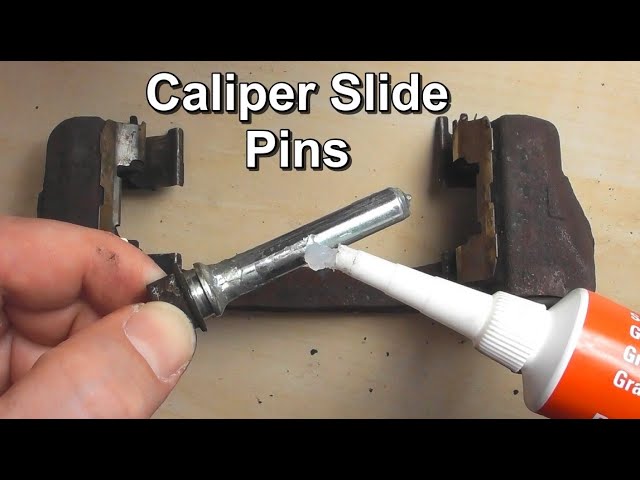
Use a small brush or your finger to spread a thin, even layer on each slide pin. Cover the entire surface but avoid excess grease. Too much grease can attract dirt and cause issues.
Reinstall The Slide Pins Correctly
Insert the lubricated slide pins back into the caliper bracket carefully. Make sure they slide smoothly without resistance. Secure the pins with their bolts and tighten them to the correct torque.
Check The Rubber Boots
Inspect the rubber boots for cracks or damage. Replace if needed to keep grease inside and dirt out. Proper boots protect slide pins and extend brake life.
Top Grease Products For Caliper Pins
Choosing the right grease for brake caliper slide pins is crucial. It helps keep the pins moving smoothly. This prevents brake noise and uneven pad wear. The best greases resist heat and moisture. They also protect against corrosion. Below are some top grease products trusted by mechanics and car enthusiasts.
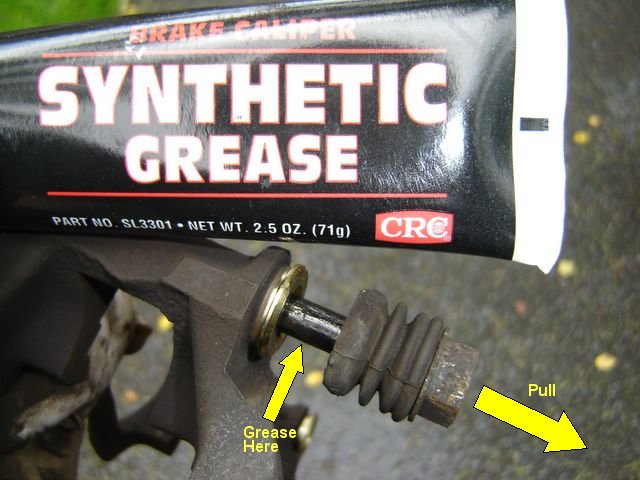
Crc Brake Caliper Synthetic Grease
This grease works well under high temperatures. It stays thick and prevents pin sticking. CRC’s formula protects rubber boots from damage. It is easy to apply and long-lasting. Perfect for most brake systems.
Permatex Ceramic Extreme Brake Parts Lubricant
This product handles extreme heat up to 1800°F. It reduces brake squeal and wear. The ceramic formula offers excellent protection. It also resists water and chemicals. Suitable for heavy-duty brake jobs.
Lucas Oil Red N Tacky Grease
Known for its strong adhesion, this grease stays on pins well. It prevents corrosion and pin seizing. The grease works in wet and dry conditions. It is an affordable, reliable choice.
Ags Sil-glyde Brake Lubricant
This synthetic grease is safe for rubber parts. It stops slide pin bind and noise. AGS Sil-Glyde withstands heat and moisture effectively. It is a popular choice for daily drivers.
Valvoline Moly Fortified Multi-purpose Grease
Contains molybdenum for extra wear protection. This grease lubricates pins smoothly. It resists water and heat well. Valvoline’s product is versatile and budget-friendly.

Credit: www.reddit.com
Frequently Asked Questions
Is Lithium Grease Ok For Brake Slide Pins?
Lithium grease is not recommended for brake slide pins. Use high-temperature silicone or synthetic brake grease instead.
Is Caliper Pin Greasing Necessary?
Yes, greasing caliper pins is necessary to ensure smooth brake operation and prevent pin corrosion or sticking.
How Often Should Caliper Pins Be Greased?
Grease caliper pins every 12,000 miles or during brake service to ensure smooth movement and prevent corrosion. Use high-temperature, silicone-based brake grease for best results.
Can I Use Red And Tacky Grease For Caliper Pins?
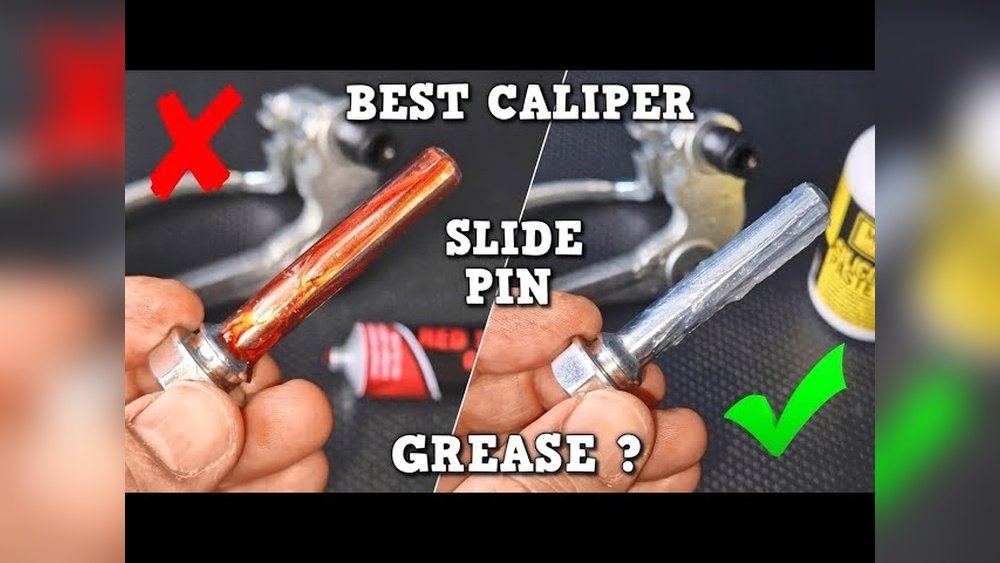
Avoid using red and tacky grease on caliper pins. Use high-temperature silicone or synthetic brake grease instead.
Conclusion
Choosing the right grease for brake caliper slide pins matters a lot. Use a high-temperature silicone or synthetic brake grease. These greases protect pins from rust and keep them moving smoothly. Avoid regular grease that can harm rubber boots. Clean the pins before applying grease for best results.
Proper lubrication extends brake life and ensures safety. Always check your vehicle’s manual for specific recommendations. Taking care of slide pins helps your brakes work well and last longer. Simple steps can prevent costly repairs down the road.