What Brake Pads are Better Semi Metallic Or Ceramic: Ultimate Guide
Choosing the right brake pads can make a huge difference in your driving experience and safety. You might be wondering whether semi-metallic or ceramic brake pads are better for your vehicle.
Each type has its own benefits and drawbacks, and picking the wrong one could affect your car’s performance and your peace of mind. You’ll discover the key differences between semi-metallic and ceramic brake pads, helping you make the best choice for your needs.
Keep reading to find out which brake pads will keep you stopping smoothly and safely every time.
Semi Metallic Brake Pads
Semi metallic brake pads are a popular choice for many drivers. They offer a strong balance of durability and performance. These pads work well under different driving conditions, making them reliable for daily use and tougher drives.
Their design focuses on using metal parts mixed with other materials. This mix gives them unique qualities that affect how they stop your vehicle and last over time.
Material Composition
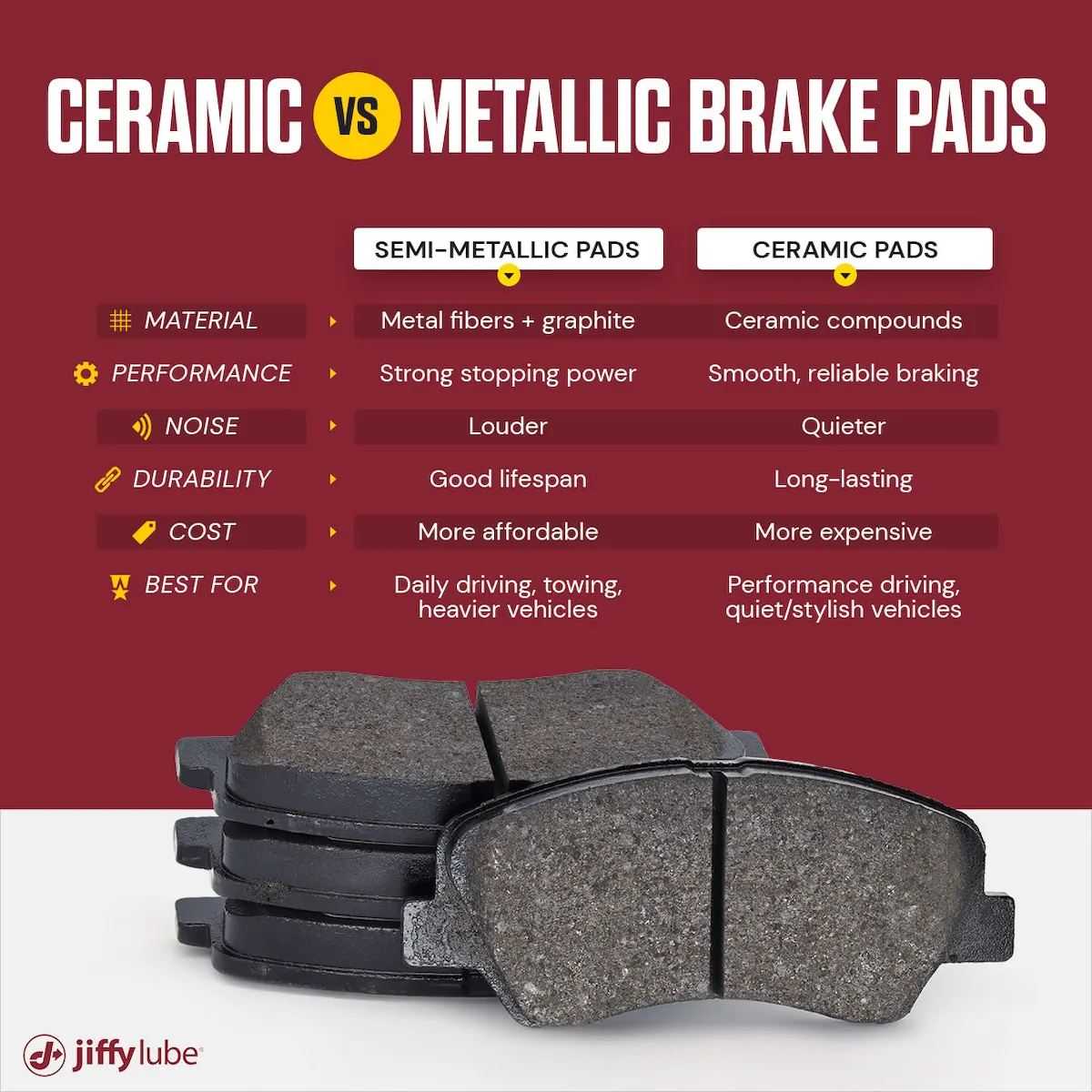
Semi metallic brake pads contain 30% to 65% metal. Common metals include steel, iron, and copper. These metals are combined with fillers and friction modifiers. The blend creates a tough pad that handles heat well. The metal parts help in quick heat transfer. This helps to avoid brake fade during heavy braking.
Performance Characteristics
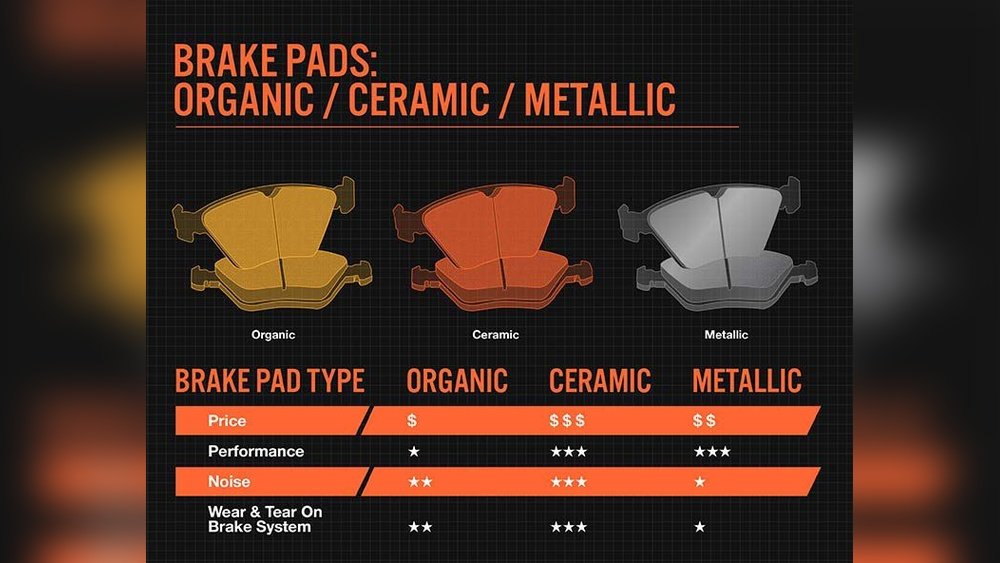
These pads offer strong braking power. They perform well in cold and hot conditions. Their metal content gives good grip on the brake disc. They tend to wear the rotors faster than other pads. Noise can be higher due to metal parts rubbing. They handle hard braking and high speeds effectively.
Advantages And Drawbacks
Semi metallic pads last longer than many other types. They are good at heat dissipation. This reduces the chance of brake fade. They cost less than ceramic pads. On the downside, they can be noisy and create more dust. Their metal parts may wear down rotors quicker. Not the best choice for very quiet rides.
Credit: www.jiffylube.com
Ceramic Brake Pads
Ceramic brake pads are popular for many drivers. They offer smooth braking and less noise than other types. These pads work well on most vehicles and last longer under normal driving. Understanding their features helps you choose the right brake pad.
Material Composition
Ceramic brake pads contain ceramic fibers mixed with bonding agents. They also include small amounts of metal particles. These materials create a dense, strong pad. The mix helps the pad resist heat and wear.
Performance Characteristics
Ceramic pads produce less dust than semi-metallic pads. They stay quieter during braking. These pads handle heat well, keeping performance steady. They offer gentle, consistent stopping power on most roads. Their wear rate is slow, so they last a long time.
Advantages And Drawbacks
Ceramic pads are clean and quiet. They cause less rotor wear. They work well in cold and dry conditions. These pads cost more than semi-metallic ones. They may not perform as well under heavy loads or very hot conditions. Not ideal for extreme driving situations.
Comparing Performance
Comparing the performance of semi-metallic and ceramic brake pads helps choose the right fit. Each type offers unique benefits. Understanding these can improve safety and driving comfort.
Stopping Power
Semi-metallic brake pads provide strong stopping power. They work well in cold and wet conditions. These pads grip the brake rotor tightly, reducing stopping distance. Ceramic pads also offer reliable stopping power. They perform better at higher temperatures. Ceramic pads give smooth and consistent braking in daily driving.
Durability
Semi-metallic pads wear faster than ceramic ones. They contain metal particles that cause more rotor wear. Ceramic brake pads last longer and cause less damage. They resist heat better and keep their shape. For long-term use, ceramic pads save money on replacements.
Noise And Dust Levels
Semi-metallic pads tend to be noisier. They can produce a squealing sound during braking. These pads also create more brake dust. Dust can dirty wheels and reduce appearance. Ceramic pads run quietly with little noise. They produce less dust, keeping wheels cleaner.
Credit: tires.bridgestone.com
Cost And Maintenance
Cost and maintenance are important factors when choosing between semi-metallic and ceramic brake pads. Both types have different price points and care needs. Understanding these aspects helps make a better decision for your vehicle and budget.
Initial Cost
Semi-metallic brake pads usually cost less than ceramic pads. This makes them a popular choice for budget-conscious drivers. Ceramic pads are pricier but offer benefits that some find worth the extra cost. The initial price difference can be noticeable at the store or shop.
Longevity And Replacement
Ceramic brake pads last longer than semi-metallic ones. They wear down slower and keep their performance over time. Semi-metallic pads wear out faster and need replacement more often. Replacing pads frequently can add up in cost and effort.
Maintenance Requirements
Semi-metallic pads may require more frequent maintenance. They can create more brake dust, which needs regular cleaning. Ceramic pads produce less dust and are cleaner to maintain. Both types need checking for wear and tear to keep brakes safe and effective.
Choosing The Right Brake Pads
Choosing the right brake pads affects your car’s safety and performance. Different brake pads suit different needs and situations. Knowing what fits your style helps you drive safer and smoother. This guide helps you pick between semi-metallic and ceramic brake pads.
Driving Conditions
Brake pads must match your usual driving. Semi-metallic pads work well in cold or wet weather. They handle heat better on steep hills or heavy loads. Ceramic pads stay quiet and clean on city roads. They wear longer with gentle driving.
Vehicle Type
Heavy trucks and SUVs need strong brake pads. Semi-metallic pads provide better stopping power for these vehicles. Small cars and sedans benefit from ceramic pads. Ceramic pads cause less brake dust and noise, perfect for daily driving.
Personal Preferences
Some drivers want quiet brakes with low dust. Ceramic pads suit these needs best. Others want tough, durable pads for tough driving. Semi-metallic pads last longer under pressure. Choose pads that match how you drive and what you value most.
Credit: www.aaa.com
Frequently Asked Questions
What Are The Main Differences Between Semi-metallic And Ceramic Brake Pads?
Semi-metallic pads have metal fibers, making them strong but noisy. Ceramic pads are quieter and produce less dust but cost more.
Which Brake Pads Last Longer, Semi-metallic Or Ceramic?
Ceramic brake pads usually last longer because they wear down slowly. Semi-metallic pads wear faster due to their metal content.
Are Ceramic Brake Pads Better For Everyday Driving?
Yes, ceramic pads are quieter and cleaner, making them good for daily use. They also handle heat well during normal driving.
Do Semi-metallic Brake Pads Perform Better In Cold Weather?
Semi-metallic pads work well in cold weather and stop quickly. Their metal helps them heat up fast for good braking.
Conclusion
Choosing between semi-metallic and ceramic brake pads depends on your needs. Semi-metallic pads offer strong stopping power and last longer. Ceramic pads produce less dust and run quieter. Think about your driving style and budget. City drivers might prefer ceramic for smooth, quiet rides.
Those who drive in tough conditions may want semi-metallic for durability. Both types work well if matched to your car and habits. Pick what fits you best for safe, comfortable braking every day.