Can Brake Pads Be Replaced Without Replacing Rotors? Expert Tips
Are you wondering if you really need to replace your rotors every time you change your brake pads? It’s a common question that many drivers face.
Knowing whether you can replace just the brake pads without swapping out the rotors can save you time and money. But making the wrong choice could affect your car’s safety and performance. You’ll discover exactly when it’s okay to skip replacing the rotors and when it’s not.
Keep reading to find out how to make the best decision for your vehicle and keep your brakes working smoothly.
Signs You Can Replace Pads Alone
Knowing when you can replace brake pads without changing rotors saves time and money. Not every brake job needs new rotors. Sometimes, pads wear out first while rotors stay in good shape. Recognizing the signs helps you make the right choice for your car’s safety and performance.
Evaluating Rotor Condition
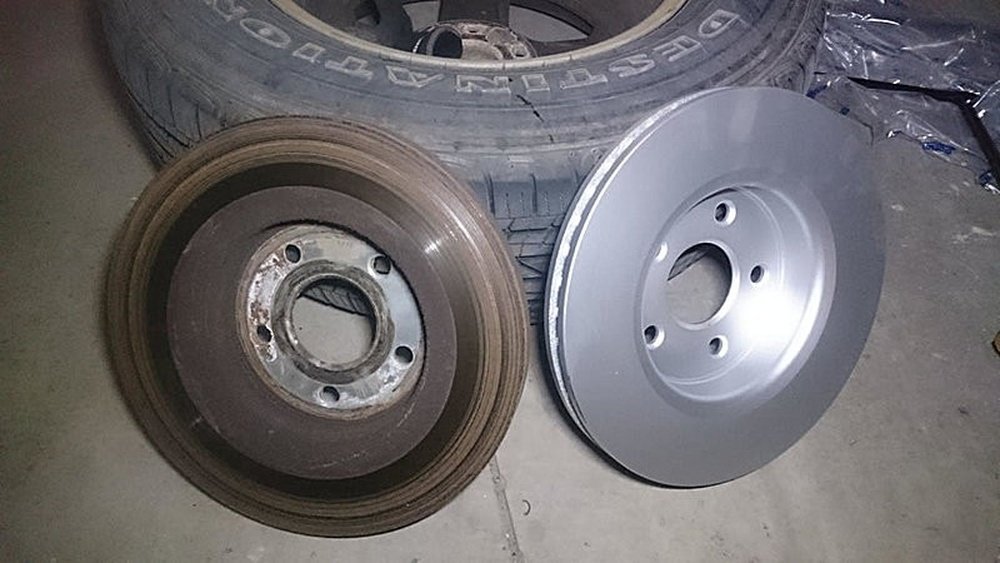
Start by checking the rotor surface. It should be smooth and even. Look for deep grooves, cracks, or rust. These problems mean the rotor needs replacement. Thin rotors also cannot be reused safely. Measure the rotor thickness with a gauge. If it meets the minimum thickness, replacing pads alone is safe.
When Pads Wear Out First
Brake pads usually wear faster than rotors. Pads press against rotors to stop the car, causing friction. Over time, pads get thin and need changing. If rotors feel smooth and show no damage, only pads may need replacement. New pads on good rotors give strong braking power and longer life.
Risks Of Skipping Rotor Replacement
Skipping rotor replacement when changing brake pads can lead to serious risks. Rotors work closely with brake pads to stop your car safely. Ignoring rotor wear may cause problems that affect your vehicle’s braking ability and safety.
Potential Brake Performance Issues
Old or worn rotors can reduce braking power. Brake pads may not grip the rotor surface well. This causes longer stopping distances and uneven braking. You might feel vibrations or hear squeaking sounds. These signs show your brakes are not working properly. Poor brake performance increases the chance of accidents.
Long-term Damage Concerns
Using new pads on old rotors can damage both parts. Worn rotors can wear down new pads quickly. This leads to more frequent and costly repairs. Over time, rotor damage can spread to other brake components. Neglecting rotor replacement can shorten your brake system’s life. It can also cause unsafe driving conditions.
Steps To Inspect Rotors Properly
Inspecting your brake rotors carefully helps decide if replacement is necessary. This step is key before changing brake pads. Proper inspection saves money and ensures safe driving.
Follow clear steps to check your rotors. Look for signs of wear and measure thickness precisely. This guide explains how to do both simply and safely.
Visual Inspection Tips
Start by cleaning the rotor surface with a cloth. Dirt can hide damage. Look for deep grooves or cracks on the rotor. These signs mean the rotor may need replacement.
Check for rust, especially near the edges. Rust weakens the rotor. Also, observe uneven wear or discoloration. These could indicate overheating or warping.
Spin the wheel and watch the rotor. Notice any wobbling or shaking. This means the rotor is not even and might cause brake problems.
Measuring Rotor Thickness
Use a micrometer or caliper to measure rotor thickness. Measure in several spots around the rotor. Compare the numbers to the minimum thickness listed by the car maker.
Do not guess thickness by sight. Thin rotors cannot cool properly and may crack. Replace rotors thinner than the safe limit.
Keep records of your measurements for future checks. Regular measuring helps catch wear early and maintain braking safety.
Credit: formulax.in
Expert Tips For Pad-only Replacement
Replacing brake pads without changing the rotors can save time and money. But it requires care and attention. Following expert tips helps ensure safety and performance. Proper choices and techniques make the process smooth and effective.
Brake pads and rotors work together. Worn rotors can reduce the life of new pads. So, check rotors carefully before deciding to skip replacement. Clean, smooth rotors often allow for pad-only replacement.
Choosing The Right Brake Pads
Select pads that fit your vehicle’s make and model exactly. Use pads designed for your driving style—whether city driving or heavy loads. Quality matters. Cheap pads wear out quickly and may damage rotors. Choose pads with good reviews and reliable brands.
Consider the pad material. Ceramic pads create less dust and noise. Semi-metallic pads offer strong stopping power but can wear rotors faster. Organic pads are quiet but wear quickly. Match the pad type to your needs.
Proper Installation Techniques
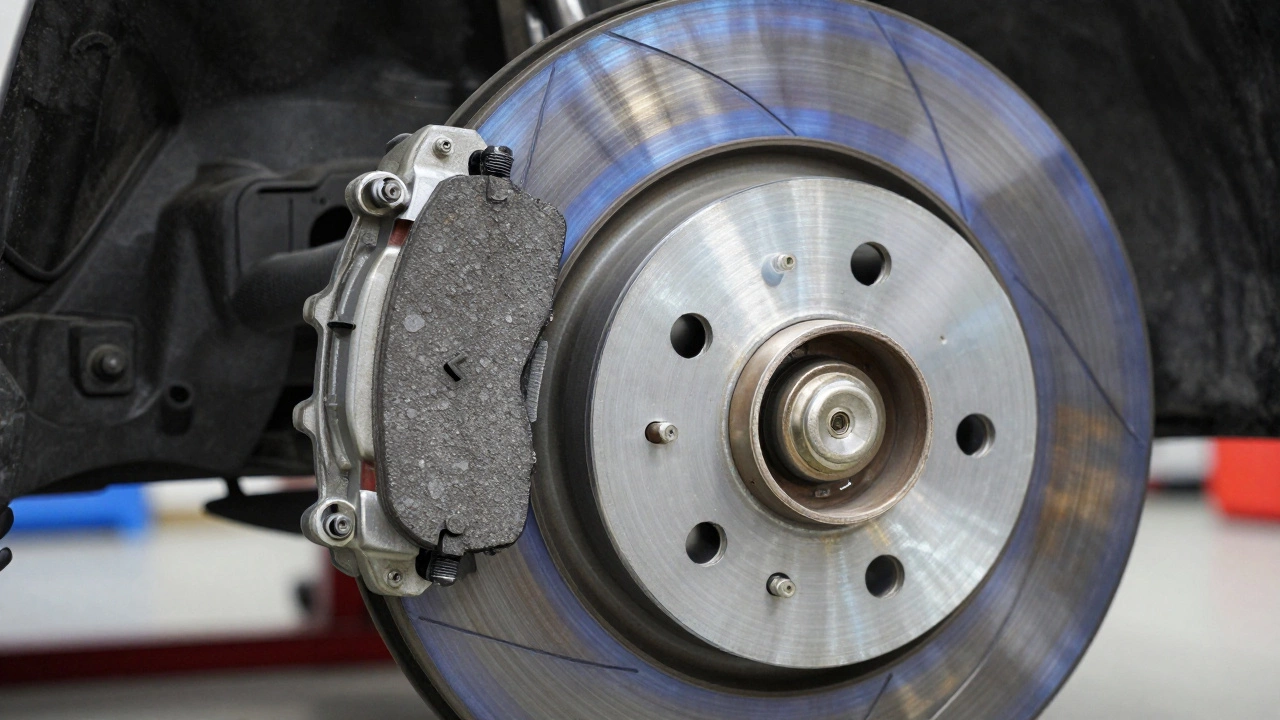
Clean the rotor surface before installing new pads. Use brake cleaner and a clean cloth to remove dirt and oil. Check the caliper and hardware for wear or damage. Replace any worn parts to avoid problems later.
Apply brake lubricant to the back of the pads and contact points. This prevents noise and ensures smooth movement. Avoid getting lubricant on the pad surface or rotor. Tighten all bolts to the manufacturer’s specifications.
After installation, pump the brake pedal slowly to seat the pads. Test the brakes at low speed to confirm proper function. Listen for unusual noises and watch for vibration. Proper installation keeps braking safe and reliable.
When Rotor Replacement Is Essential
Knowing when to replace rotors is key to safe braking. Not all brake problems mean you must change rotors. Some wear is normal, but serious damage calls for replacement.
Rotors affect how well your car stops. Worn or damaged rotors can make braking unsafe. Watch for clear signs that rotors need attention.
Signs Of Rotor Warping
Warped rotors cause vibration when braking. You may feel shaking in the brake pedal or steering wheel. This happens because the rotor surface is uneven. Warping reduces braking power and control. Warped rotors need replacement to restore smooth braking.
Impact Of Deep Grooves Or Cracks
Deep grooves on rotors happen from worn brake pads or debris. These grooves reduce rotor surface area for brake pads. Cracks form from heat and stress during braking. Both grooves and cracks weaken rotors and cause noise or poor braking. Rotors with deep grooves or cracks should be replaced for safety.

Credit: www.autonationmobileservice.com

Credit: www.youtube.com
Frequently Asked Questions
Can Brake Pads Be Replaced Without Changing Rotors?
Yes, brake pads can be replaced without changing rotors if the rotors are still in good condition. Check for smooth surfaces and no deep grooves. Worn or damaged rotors usually need replacement.
How Do I Know If My Rotors Need Replacement?
Rotors need replacement if they are warped, cracked, or very thin. You may feel vibration or hear squealing when braking. A mechanic can measure rotor thickness to be sure.
What Happens If I Replace Brake Pads But Not Worn Rotors?
Replacing pads but not rotors may cause uneven wear and noise. Old rotors can reduce brake performance and cause vibrations. It’s best to inspect rotors carefully before deciding.
Can I Save Money By Not Replacing Rotors With Brake Pads?
Skipping rotor replacement can save money if rotors are still healthy. But damaged rotors can cause faster brake pad wear and unsafe driving. Proper inspection helps avoid extra costs later.
Conclusion
Brake pads can often be replaced without changing rotors. This saves money and time in many cases. Still, check rotors for wear or damage first. Smooth, undamaged rotors help brakes work well. Rough or thin rotors need replacement for safety.
Always consult a mechanic if unsure about your brakes. Proper brake care keeps driving safe and smooth. Simple checks make a big difference on the road. Don’t ignore warning signs like noise or vibration. Stay safe by maintaining your brake system regularly.