When Taking off a Car Battery Which Terminal First: Expert Tips
When it comes to taking off your car battery, knowing which terminal to disconnect first isn’t just a small detail—it’s a crucial step to keep you and your vehicle safe. You might think it doesn’t matter, but grabbing the wrong terminal first can cause sparks, damage your car’s electrical system, or even lead to injury.
So, which terminal should you remove first? And why does it matter? You’ll learn the simple, foolproof method to disconnect your car battery the right way every time. Stick with us, and you’ll save yourself from costly mistakes and keep your hands—and your car—in perfect shape.

Credit: www.tycorun.com
Safety Precautions
Safety is crucial when removing a car battery. Taking the right precautions protects you and your vehicle. Car batteries store electrical energy that can cause shocks or sparks.
Always wear safety glasses and gloves to protect your eyes and hands. Avoid loose clothing or jewelry that could catch on parts or cause a short circuit. Work in a well-ventilated area to prevent buildup of battery gases. Keep metal tools away from the battery terminals to stop accidental sparks.
Wear Protective Gear
Wear gloves to protect your skin from battery acid. Safety glasses shield your eyes from splashes. Use thick, non-conductive gloves for extra safety.
Disconnect The Negative Terminal First
Remove the negative terminal first. It is usually black and marked with a “-“. This step stops the electrical flow and reduces spark risk. The negative cable connects to the car’s metal frame, grounding the battery.
Use Proper Tools
Use insulated wrenches or tools to avoid electric shocks. Avoid metal tools that can touch both terminals or car body at once. Use the right size wrench for terminal bolts to prevent slipping.
Keep Sparks Away
Do not smoke or have open flames near the battery. Sparks can ignite hydrogen gas from the battery, causing explosions. Always work carefully to avoid dropping tools on the battery.
Identifying Battery Terminals
Knowing how to identify car battery terminals is essential before removal. This step helps prevent accidents and protects your vehicle’s electrical system. Each terminal has unique markings and colors to guide you.
Visual Cues On Battery Terminals
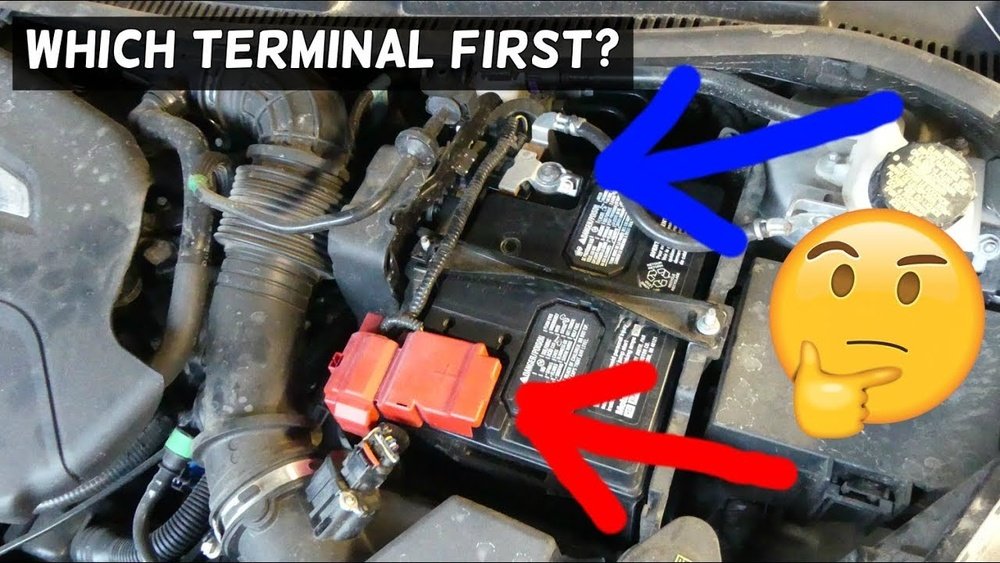
Car batteries have two terminals. One is positive, the other negative. The positive terminal usually has a red cover or red marking. It might also show a plus sign (+). The negative terminal often has a black cover or black marking. It is marked with a minus sign (−).
Terminal Shape And Size Differences
Positive terminals are sometimes slightly larger than negative terminals. This helps avoid mixing them up during connection. The cables attached also differ in thickness, with the positive cable often thicker.
Location Of Terminals On The Battery
Terminals are located on top of the battery or at the sides. Some batteries place the positive terminal on the left and negative on the right. Others may have the opposite arrangement. Always check the signs and colors before disconnecting.
Importance Of Correct Terminal Identification
Identifying terminals correctly avoids sparks and damage. Removing the negative terminal first stops the risk of a short circuit. It ensures safety for both you and the vehicle’s electrical parts.
Removing Negative Terminal First
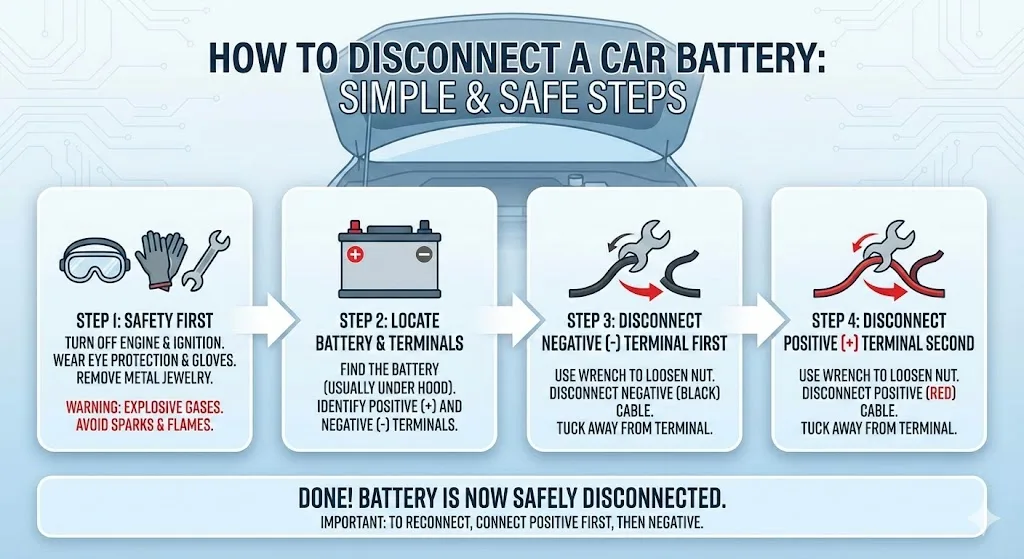
Always remove the negative terminal (black, marked with a “-“) first. This step is important for safety and prevents accidents during battery removal.
The negative cable connects the battery to the car’s metal frame. This connection is called the ground. Removing this cable first stops electrical flow through the car body. If your wrench touches the car frame while loosening the terminal, it will not cause sparks or short circuits.
Removing the negative terminal first also protects the car’s electronic system. It prevents damage to sensitive components like the computer and sensors. This simple step lowers the risk of costly repairs.
How To Identify The Negative Terminal
Look for the black cable attached to the battery. The terminal is marked with a minus sign (-). This is the negative terminal. The positive terminal usually has a red cable and a plus sign (+).
Tools Needed To Remove The Negative Terminal
Use a wrench or socket set that fits the terminal bolt. A standard 10mm wrench works for most cars. Make sure the tool is insulated to reduce shock risk.
Steps To Safely Remove The Negative Terminal
First, turn off the car and remove the keys. Next, loosen the bolt on the negative terminal with your wrench. Gently lift the cable off the battery post. Keep the cable away from the battery to avoid accidental contact.
Removing Positive Terminal Second
Removing the positive terminal second is a key safety step when taking off a car battery. It helps prevent sparks and electrical shorts during the process.
After disconnecting the negative terminal first, the positive terminal becomes safe to remove. This order keeps the car’s electrical system grounded until the last step.
Why Remove The Positive Terminal Last?
The positive terminal carries the full battery voltage. If you remove it first, tools can create sparks by touching metal parts. Removing it second reduces the risk of electrical shock or fire.
How To Safely Remove The Positive Terminal
Use an insulated wrench to loosen the clamp on the positive terminal. Carefully lift the cable off the battery post. Place the cable away from the battery to avoid accidental contact.
Signs Of A Secure Removal Process
No sparks or sudden noises should occur. The battery should be completely disconnected from the car’s electrical system. The positive cable should not touch any metal surfaces.
Reconnecting Battery Terminals
Reconnecting battery terminals is a crucial step after removing a car battery. It restores the electrical connection and powers your vehicle again. Doing it correctly prevents sparks, damage, and safety risks. Always follow the right order to keep things safe and simple.
Connect The Positive Terminal First
Start by attaching the positive terminal, usually marked with a “+” and red color. Secure the clamp firmly to ensure a good connection. This step establishes the power supply to your car’s electrical system safely.
Attach The Negative Terminal Second
Next, connect the negative terminal, marked with a “-” and black color. Tighten the clamp well to complete the circuit. This step grounds the battery to the car’s metal frame, preventing electrical issues.
Tighten The Terminals Securely
Use a wrench to tighten both terminals firmly, but avoid over-tightening. Loose connections can cause starting problems. Over-tightening might damage the battery posts or cables.
Check For Sparks And Proper Fit
Watch for sparks while connecting terminals. If you see sparks, stop immediately and check connections. Ensure both clamps fit snugly on battery posts without movement.

Credit: www.youtube.com
Credit: www.simivalleychryslerdodgejeepram.com
Frequently Asked Questions
Does It Matter Which Battery Terminal I Disconnect First?
Always disconnect the negative (black) terminal first to prevent sparks and short circuits. Reconnect the positive (red) terminal first. This method ensures safety by breaking the ground connection before removing the positive cable.
Do I Disconnect The Black Or Red First?
Always disconnect the negative (black) terminal first to prevent sparks and short circuits. Then remove the positive (red) terminal.
When Connecting A 12 Volt Battery, Which Terminal First?
Connect the positive terminal first when attaching a 12-volt battery. This prevents short circuits and ensures safety.
When Replacing Battery And Reattaching Terminals, Which One Do You Put On First?
Always connect the positive terminal first when reattaching battery cables. Connect the negative terminal last for safety.
Which Car Battery Terminal Should Be Removed First?
Always remove the negative terminal first. This reduces the risk of sparks and short circuits during removal.
Conclusion
Always remove the negative terminal first to stay safe. This prevents sparks and protects your car’s electrical system. After that, remove the positive terminal. When reconnecting, attach the positive terminal first, then the negative. Following these simple steps keeps you and your vehicle safe.
Taking care with battery terminals helps avoid accidents and damage. Remember, safety comes first when working with car batteries.