How to Change Front Wheel Bearing on Ford F150 4X4: Step-by-Step Guide
If you’ve noticed a grinding noise or wobbling in your Ford F150 4×4’s front wheels, it’s likely time to change the front wheel bearing. Tackling this repair yourself can save you a good chunk of money and give you a real sense of accomplishment.
But you might be wondering, “Is it complicated? Can I do it safely? ” The answer is yes—you can replace your front wheel bearing with the right tools and clear guidance. You’ll find a simple, step-by-step process that walks you through every move, from removing the brake caliper to installing the new bearing.
Stick with me, and by the end, your truck will be running smoother and quieter, ready for the road ahead. Let’s get started!

Credit: www.youtube.com
Prepare The Truck And Tools
Start by parking the Ford F150 on a flat surface and applying the parking brake. Gather necessary tools like a jack, lug wrench, and socket set before beginning the work.
Changing the front wheel bearing on a Ford F150 4X4 requires careful preparation. Getting the truck and tools ready saves time and avoids frustration.
Start by parking the truck on a flat, stable surface. Engage the parking brake. This prevents the truck from moving while you work.
Gather all the necessary tools before you begin. Having everything at hand makes the job smoother and faster.
Secure The Truck
Use wheel chocks behind the rear wheels to stop any rolling. Always lift the truck with a heavy-duty jack designed for trucks.
Place jack stands under the frame to hold the truck safely once lifted. Never rely on the jack alone to support the truck.
Remove the front wheel on the side where you will replace the bearing. This exposes the hub and brake components.
Gather The Required Tools
You will need a jack, jack stands, and wheel chocks for safety. A socket set with various sizes is essential.
Include a breaker bar to loosen tight bolts. A hammer and punch help with removing stuck parts.
Bring penetrating oil to loosen rusty bolts. Wire brushes and brake cleaner clean parts before assembly.
A torque wrench ensures bolts are tightened to the correct specifications. Also, prepare a bungee cord or wire to hang the brake caliper safely.

Credit: www.f150forum.com
Remove Wheel And Brake Components
Removing the wheel and brake parts is the first step to access the front wheel bearing. This step requires care and the right tools to avoid damage. Follow each action carefully to prepare your Ford F150 4×4 for bearing replacement.
Keep safety in mind. Use a jack and jack stands to lift and secure the truck before starting.
Remove The Wheel
Loosen the lug nuts slightly while the truck is on the ground. Lift the vehicle using a jack and place jack stands under the frame. Remove all lug nuts and take off the wheel. Set the wheel aside in a safe place.
Unbolt The Brake Caliper
Locate the brake caliper and remove its bolts with a ratchet or wrench. Carefully slide the caliper off the rotor. Use a bungee cord or wire to hang the caliper from the suspension. Do not let the caliper hang by the brake hose to avoid damage.
Remove The Brake Rotor
Pull the brake rotor straight off the hub. If it is stuck, tap the rotor’s center with a hammer gently to loosen it. Avoid hitting too hard to prevent damage. Once loose, remove the rotor and place it aside.
Disconnect The Abs Sensor
Find the ABS sensor wire near the wheel hub. Unplug it from the connector in the fender well or along the control arm. Remove any clips or bolts holding the wire in place. Carefully move the wire out of the way to avoid damage.
Detach The Old Wheel Bearing And Hub
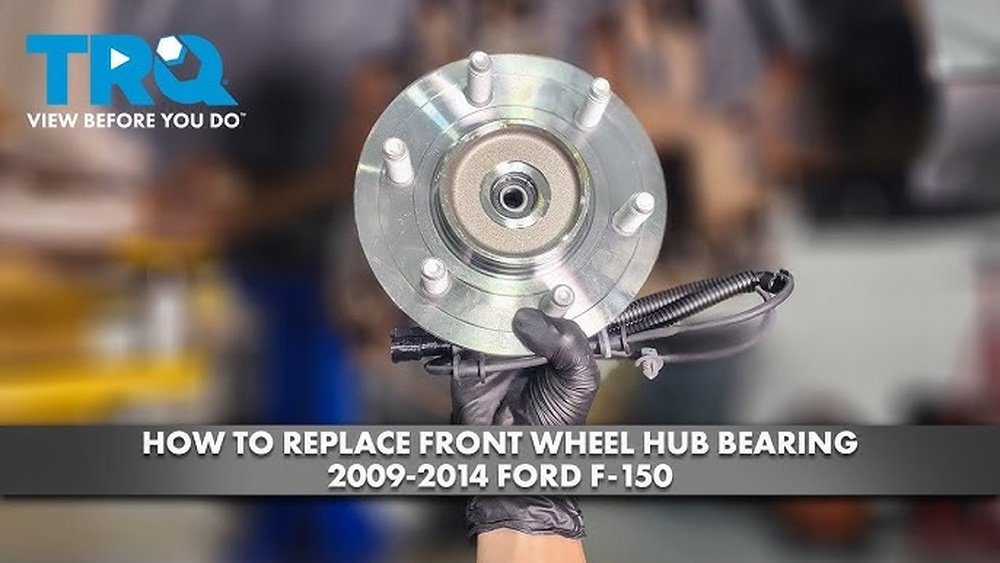
Detaching the old wheel bearing and hub is a key step in replacing your Ford F150 4X4’s front wheel bearing. This process frees the worn parts from the vehicle, allowing for a smooth installation of new components. It requires careful handling and the right tools to avoid damage to surrounding parts.
Start by ensuring the vehicle is securely lifted and supported. Safety first. Removing the old bearing and hub involves several smaller tasks. Each step must be done patiently and correctly for best results.
Unbolt The Brake Caliper And Secure It
First, remove the brake caliper bolts. Use a socket wrench for this. Carefully slide the caliper off the rotor. Hang the caliper using a bungee cord or wire. Do not let it hang by the brake hose. This prevents damage to the hose and brake system.
Remove The Brake Rotor
Next, pull the brake rotor off the hub. If it sticks, tap the rotor’s hat gently with a hammer. This loosens rust or debris holding it in place. Removing the rotor exposes the wheel bearing and hub assembly.
Disconnect The Abs Sensor Wire
Locate the ABS sensor wire near the control arm or fender well. Unplug the connector carefully. Remove any clips or bolts holding the wire in place. This step ensures the sensor wire is free to move with the hub during removal.
Remove The Dust Cap And Inspect The Hub
Pry off the plastic or metal dust cap at the hub center. Ask a helper to press the brake pedal or wedge a pry bar between wheel studs. This stops the hub from spinning. Tap the CV axle end lightly with a hammer and punch. The axle should slide inward freely.
Unbolt The Hub Assembly
Spray penetrating fluid on the hub bolts. Let it soak to ease removal. Use a socket wrench to remove all four bolts. Rust may cause the hub to stick. If stuck, hit the hub’s back with a hammer until it loosens.
Clean The Steering Knuckle
After removing the hub, clean the steering knuckle’s mating surfaces. Use a wire brush and brake cleaner. Remove rust and dirt to ensure a tight fit for the new hub. Apply a thin layer of copper anti-seize to prevent future rust.
Clean And Inspect Mounting Surfaces
Cleaning and inspecting the mounting surfaces is a critical step in changing the front wheel bearing on your Ford F150 4X4. Dirt, rust, and debris can cause improper seating and lead to premature bearing failure. Take your time to ensure these surfaces are spotless and damage-free before installing the new bearing. This will help the bearing last longer and perform better.
Use a wire brush to remove rust and old grease from the steering knuckle and hub area. Brake cleaner is excellent for wiping away remaining grime and oil. Avoid leaving any residue that might affect the bearing’s fit. A clean surface ensures the new bearing sits flush and tight.
Inspect the mounting surfaces carefully for cracks, dents, or warping. Even small imperfections can cause noise or uneven wear later. If you spot any damage, address it before proceeding. This might mean light sanding or replacing parts if necessary.
Remove Rust And Debris
Spray brake cleaner on the knuckle and hub surfaces. Use a wire brush to scrub away rust and dirt. Repeat as needed until the metal shines clean. This step prevents rust from spreading to the new bearing.
Check For Surface Damage
Look closely for any cracks or dents on the mounting surfaces. Run your hand over the area to feel for rough spots. Smooth out minor imperfections with fine sandpaper. Replace parts if damage is severe.
Apply Anti-seize Compound
Once clean, apply a thin layer of copper anti-seize to the knuckle and axle splines. This protects against rust and makes future removal easier. Avoid using too much; a light coat is enough.
Install New Bearing And Reassemble
Installing the new front wheel bearing on your Ford F150 4X4 is a critical step. It ensures smooth wheel rotation and safe driving. This part fits precisely into the hub, so handle it carefully. Proper reassembly restores your truck’s full function.
Follow each step in order. Double-check your work as you go. Safety and accuracy matter most.
Prepare The Hub For The New Bearing
Clean the hub surface thoroughly. Remove dirt, rust, and old grease with a wire brush. Wipe it down using brake cleaner. This helps the new bearing fit perfectly and last longer.
Install The New Bearing Into The Hub
Align the new bearing carefully with the hub. Press it in evenly using a bearing press or a suitable tool. Avoid hitting the bearing directly with a hammer. This prevents damage and ensures proper seating.
Reattach The Hub Assembly To The Knuckle
Slide the hub assembly onto the CV axle and steering knuckle. Make sure the ABS sensor wire is routed correctly behind the backing plate. Tighten the hub bolts securely to factory torque specs.
Reinstall Brake Components And Wheel
Place the brake rotor back on the hub. Reinstall the brake caliper and secure it with bolts. Connect the ABS sensor wire and fix retaining clips. Finally, mount the wheel and tighten the lug nuts in a star pattern.
Final Checks Before Driving
Spin the wheel by hand to check for smooth movement and no noise. Lower the truck carefully and tighten the axle nut cover. Test drive slowly to ensure the repair was successful and stable.

Credit: www.amazon.com
Frequently Asked Questions
How To Tell If Front Wheel Bearing Is Bad In 4×4 Truck?
Listen for a grinding or humming noise from the front wheel while driving. Check for wheel play by rocking the tire side-to-side. Uneven tire wear and ABS warning lights can also indicate a bad bearing.
How Much Does It Cost To Get A Wheel Bearing Replaced On A Ford F-150?
Replacing a wheel bearing on a Ford F-150 typically costs between $200 and $400. Prices vary by location and labor rates.
What Is The Most Reliable F150 V8 Engine?
The 5. 0L Coyote V8 engine is the most reliable F-150 V8. It offers durability, strong performance, and good fuel efficiency.
Can You Replace A Front Wheel Bearing Yourself?
Yes, you can replace a front wheel bearing yourself with basic tools, safety gear, and proper vehicle support. Follow step-by-step guides carefully.
Can I Replace The Front Wheel Bearing On My Ford F150 4×4 Myself?
Yes, you can replace it yourself with basic tools and safety gear. Follow step-by-step instructions and take your time to avoid damage.
Conclusion
Changing the front wheel bearing on your Ford F150 4X4 improves driving safety and comfort. Take your time and follow each step carefully. Use the right tools and safety gear throughout the process. Clean all parts well to avoid rust and ensure a smooth fit.
Double-check connections like the ABS sensor wire before finishing. With patience and care, you can complete this repair yourself. Your truck will run quieter and handle better on the road. Keep practicing basic maintenance to extend your vehicle’s life.