How Do You Remove Transmission Fluid from Concrete: Easy, Effective Tips
Have you ever noticed a dark, oily stain on your concrete driveway or garage floor and wondered how to get rid of it? Transmission fluid spills can be stubborn and tricky to clean, leaving your concrete looking messy and damaged.
But don’t worry—you don’t have to live with those stains or spend a fortune on professional help. You’ll discover simple, effective methods to remove transmission fluid from concrete, using common household items or easy-to-find products. Keep reading, and you’ll learn the step-by-step process to restore your concrete’s clean, fresh look quickly and confidently.
Identify The Stain
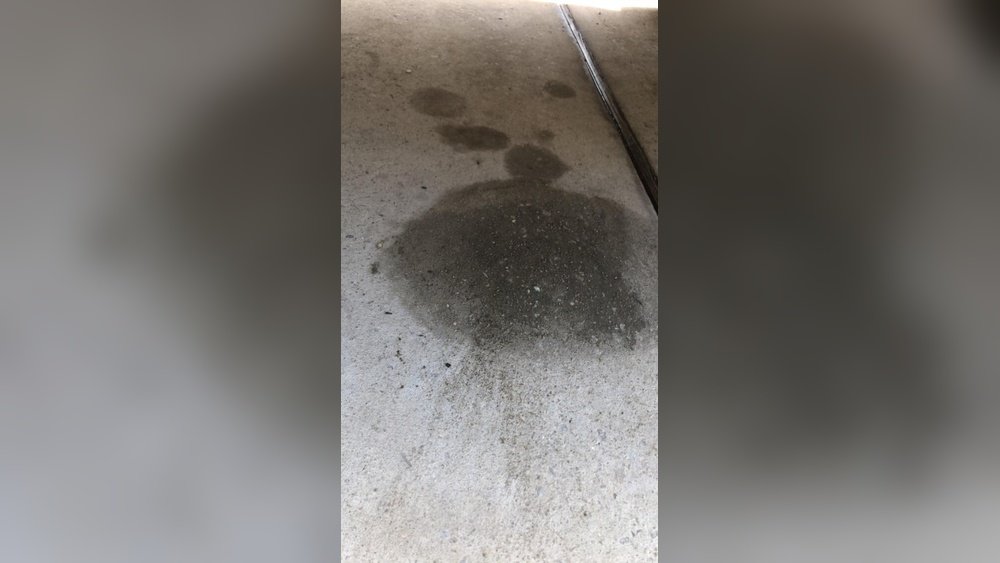
Transmission fluid stains on concrete look dark and oily. Identifying the stain helps choose the right cleaner and method. Different fluids may need different treatments to remove them fully.
Understanding The Stain’s Origin
Transmission fluid stains look different from other spills. They usually appear dark red, brown, or even black. The color depends on the fluid’s age and condition. Fresh transmission fluid is bright red. Old fluid turns darker. Knowing the color helps confirm the stain type.
Check The Location Of The Stain
Transmission fluid stains often appear under cars or near garages. Look for spots where vehicles are parked or repaired. The stain may be near the engine or transmission area. Its placement can help identify the fluid source quickly.
Feel The Texture Of The Stain
Transmission fluid feels slippery and oily to the touch. Use a paper towel or cloth to gently touch the stain. If it leaves a greasy mark, it’s likely transmission fluid. Other fluids, like water or brake fluid, feel different.
Smell The Stain Carefully
Transmission fluid has a distinctive smell. It is slightly sweet or chemical-like. Smelling the stain can help confirm its identity. Avoid strong inhalation for safety. Use this method only if you feel comfortable.
Observe The Stain’s Size And Spread
Transmission fluid tends to spread in a wide, irregular shape. It seeps quickly into concrete pores. The stain edges may look faded or blurry. This helps distinguish it from paint or rust stains, which have sharper edges.
Gather Cleaning Materials
Gathering the right materials is the first step to remove transmission fluid from concrete. Having everything ready makes cleaning faster and easier. It helps avoid spreading the stain or making it worse. You need tools that can soak up the fluid and scrub the concrete well.
Absorbent Materials
Start with absorbent materials like cat litter or sawdust. These soak up fresh spills quickly. Use enough to cover the entire stain. Let them sit for a few hours before cleaning.
Protective Gear
Wear gloves to protect your hands. Transmission fluid can irritate skin. Safety glasses help prevent splashes in your eyes. Use old clothes that can get dirty.
Cleaning Tools
Grab a stiff brush or broom to scrub the stain. A dustpan helps to collect used absorbent materials. You may need a bucket for water and cleaning solution.
Cleaning Solutions
Use degreasers made for concrete or dish soap mixed with water. These break down oily stains. Avoid harsh chemicals that can damage concrete.
Absorb Excess Fluid
Start by soaking up the extra transmission fluid with absorbent materials like kitty litter or paper towels. This step helps stop the stain from spreading and makes cleaning easier. Act quickly to keep the concrete from soaking in more fluid.
Removing transmission fluid from concrete starts with absorbing the spill. Acting fast helps prevent deep stains. Transmission fluid soaks quickly into porous surfaces like concrete.
Using absorbent materials can stop the spread. It also makes cleaning easier and more effective. The goal is to lift as much fluid as possible before it sets.
Choose The Right Absorbent Material
Common materials include kitty litter, sawdust, or baking soda. These items trap the fluid and pull it off the surface. Avoid using cloth or paper towels, as they may spread the stain.
Apply Absorbent Generously
Cover the entire spill with a thick layer of absorbent. Let it sit for at least 30 minutes to soak up the fluid. For larger spills, wait longer to ensure full absorption.
Sweep Up The Absorbent
After the waiting period, sweep up the material carefully. Use a dustpan and brush to gather all of it. Dispose of the used absorbent safely according to local regulations.

Credit: www.calcarcover.com
Apply Degreasers Or Cleaners
Applying degreasers or cleaners is a key step to remove transmission fluid from concrete. These products break down the oily stains and make them easier to lift. Using the right cleaner saves time and effort.
Choose a degreaser made for tough oil stains. Some are designed specifically for concrete surfaces. These cleaners penetrate deep into the porous concrete to reach the stain.
How To Choose The Right Degreaser
Select a degreaser that states it works on oil or grease stains. Avoid general household cleaners that may not be strong enough. Look for biodegradable options for safer use around plants and pets.
Preparing The Concrete Surface
Remove loose dirt and debris first. Sweep or hose the area well. This helps the degreaser reach the stain directly. Dry the surface if it is wet to avoid diluting the cleaner.
Applying The Degreaser
Follow product instructions carefully. Pour or spray the degreaser over the stain. Use a brush to scrub the fluid into the concrete gently. Let the cleaner sit for 10 to 15 minutes to work effectively.
Rinsing And Repeating
Rinse the area with water thoroughly after scrubbing. Check if the stain is fading. Repeat the process if needed. Stubborn stains may need several treatments for full removal.
Scrub The Stained Area
Scrubbing the stained area is a key step to remove transmission fluid from concrete. This action helps break down the oil and lifts the stain from the surface. Using the right tools and technique makes the process more effective.
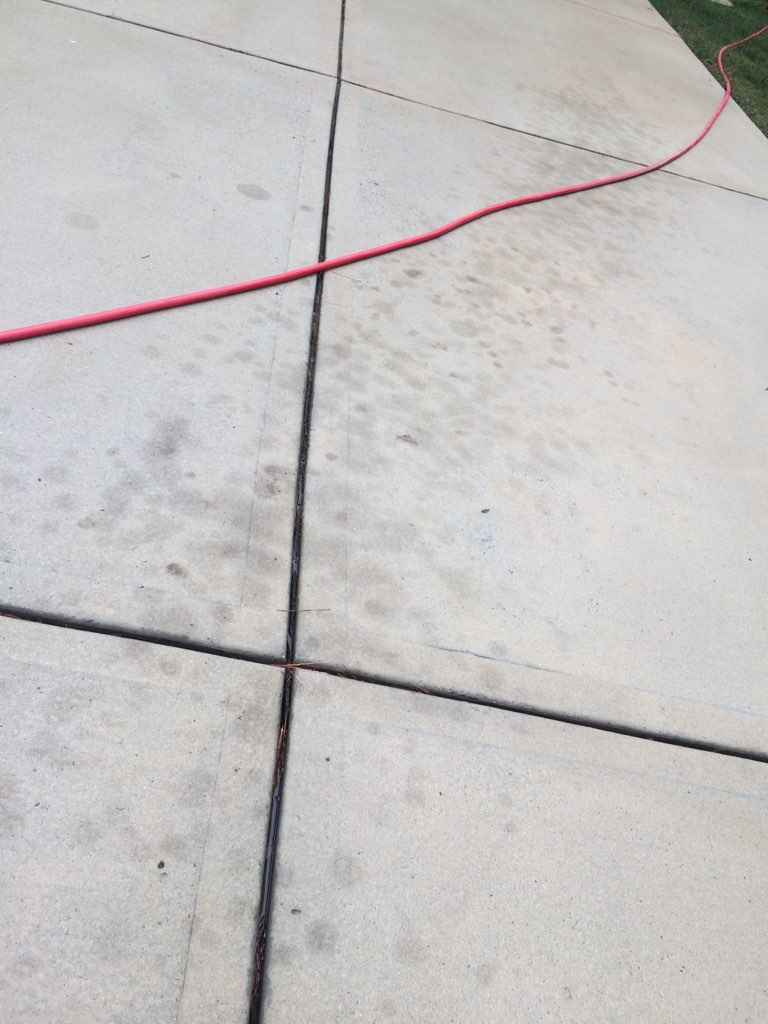
Start by applying a cleaning solution to the stained spot. Then scrub the area with a stiff brush. This physical action helps the cleaner reach deep into the concrete pores. The scrubbing also loosens the sticky transmission fluid.
Repeat scrubbing until the stain begins to fade. Do not scrub too hard, or you might damage the concrete. Rinse the area with water to wash away the loosened oil and cleaner. This step prevents the stain from settling back.
Choose The Right Brush
Select a stiff-bristle brush for scrubbing. Nylon or natural bristles work well. Avoid wire brushes, which can scratch the concrete. The brush should be firm enough to remove the stain but gentle on the surface.
Use An Effective Cleaning Solution
Mix a cleaning agent with water before scrubbing. Dish soap, baking soda, or a commercial degreaser works well. These cleaners break down oil and grease. Apply the solution generously to cover the entire stain.
Apply Proper Scrubbing Technique
Scrub in small circular motions. This helps lift the transmission fluid more effectively. Cover the whole stained area evenly. Take your time to ensure deep cleaning without overworking the concrete.
Rinse And Repeat If Needed
Rinse the area thoroughly with clean water. This removes loosened oil and cleaning residue. Check if the stain is still visible. If yes, repeat scrubbing until the stain fades significantly.
Credit: pressurewashingresource.com
Rinse And Dry The Concrete
After scrubbing the transmission fluid stain, rinsing and drying the concrete is the next step. This step helps remove any leftover cleaner and loosened oil. It also prevents new stains from forming and keeps your concrete safe.
Use plenty of clean water to rinse the area well. Water helps wash away dirt and chemicals. Avoid using too much water at once. Pour water slowly to stop it from pooling on the surface.
Next, dry the concrete completely. Wet concrete can attract dirt and cause more stains. Use a broom or mop to soak up excess water. Let the concrete air dry in sunlight if possible. Sunlight helps evaporate moisture faster.
Proper rinsing and drying keep your concrete clean and ready for any finishing touches. This simple process makes a big difference in removing transmission fluid stains.
Use Clean Water For Rinsing
Choose fresh water to rinse the stained area. Dirty water can spread oil and grime. Pour water slowly to avoid flooding the surface. Rinse until no soap or residue remains.
Remove Excess Water Quickly
Use a mop, towel, or broom to soak up water. Don’t leave water standing on the concrete. Standing water can cause new stains or damage the surface.
Allow Concrete To Air Dry
Let the concrete dry naturally in the sun. Sunlight speeds up drying. Avoid walking on wet concrete to stop dirt from sticking.
Prevent Future Stains
Preventing future transmission fluid stains on concrete is easier than cleaning old ones. Small steps keep your driveway or garage floor clean and safe. Simple habits stop spills and reduce damage to concrete.
Start by checking your vehicle often. Look for leaks under the car. Fix any leaks quickly. This stops fluid from dripping on concrete.
Use A Drip Pan
Place a drip pan under your car when parked. It catches any leaking fluid. This prevents stains from forming on the concrete. Choose a pan that fits well under the engine area.
Seal Your Concrete
Applying a concrete sealer creates a protective layer. It stops fluids from soaking into the surface. Sealers make cleaning spills easier. Reseal the concrete every year for best results.
Clean Spills Immediately
Wipe up any spills as soon as you see them. Use absorbent materials like kitty litter or paper towels. Quick action stops stains from setting deep in concrete.
Regular Maintenance And Inspections
Check your driveway or garage floor regularly. Look for new stains or cracks. Clean and repair spots before they get worse. Regular care keeps concrete looking good longer.

Credit: www.reddit.com
Frequently Asked Questions
How Do You Clean Fresh Transmission Fluid From Concrete?
Blot the spill with paper towels to soak up excess fluid. Sprinkle cat litter or baking soda to absorb the rest. Sweep it up after 30 minutes and wash the area with soap and water.
What Household Items Remove Old Transmission Fluid Stains?
Use baking soda, dish soap, and warm water to scrub old stains. For tough spots, try a mixture of vinegar and water. Rinse well and repeat if needed.
Can Commercial Cleaners Remove Transmission Fluid From Concrete?
Yes, commercial degreasers work well on transmission fluid stains. Follow the product instructions carefully for best results. Always wear gloves and ventilate the area.
How Long Does It Take To Remove Transmission Fluid Stains?
Removal time depends on stain size and age. Fresh spills can be cleaned in under an hour. Older stains may need repeated treatments over several days.
Conclusion
Removing transmission fluid from concrete takes quick action and the right tools. Act fast to stop the stain from setting. Use absorbent materials like kitty litter or baking soda first. Then scrub with a strong cleaner and water. Repeat the process if needed.
Patience and care matter a lot. Clean spills safely to protect your driveway and the environment. Keep these steps in mind for any future spills. A clean concrete surface looks better and lasts longer. Simple effort goes a long way.