What Temperature Should a Car Air Conditioner Blow: Expert Guide
Have you ever wondered if your car’s air conditioner is actually cooling your ride the way it should? Knowing the right temperature your car’s AC should blow can make all the difference between a comfortable drive and a sweaty, frustrating one.
If your air conditioner feels weak or isn’t cooling properly, you might be missing out on a simple fix that can save you money and stress. Keep reading to discover exactly what temperature to expect and how to tell if your car’s AC is working as it should.
Your comfort on the road depends on it.

Credit: www.acdiagnosis.com
Ideal Car Ac Temperature
A car air conditioner should blow cold air between 35°F and 45°F. This keeps the car cool without being too cold. Proper temperature helps save fuel and makes driving comfortable.
Understanding The Ideal Car Ac Temperature
The ideal car AC temperature keeps you cool without wasting energy. It should feel comfortable, not too cold or warm. Most experts say setting the AC between 65°F and 72°F works best. This range cools the car quickly and maintains a steady, pleasant temperature.
Too low a temperature can make the car cold fast but waste fuel. It also causes the AC to work harder, which can wear it out. Too high a temperature might not cool the car enough, leaving you sweaty and uncomfortable.
Why 65°f To 72°f Is The Sweet Spot
This temperature range balances comfort and efficiency. It cools the air enough to fight heat but avoids freezing cold blasts. Your body feels refreshed without shivering. The AC uses less energy, which saves fuel and lowers wear.
Adjusting For Outside Weather
On very hot days, start at 72°F, then lower the setting gradually. This helps the car cool down without straining the system. On cooler days, a setting closer to 70°F or 72°F is enough. Adjust the temperature to match the weather and your comfort.

Credit: www.acdiagnosis.com
Factors Affecting Ac Cooling
Several factors affect how cold a car’s air conditioner can blow, such as outside temperature and AC system condition. Proper refrigerant levels and clean filters also help maintain cool air. Engine heat and cabin size influence the cooling performance too.
The temperature of air coming from a car’s air conditioner depends on several factors. These factors influence how cold the air feels inside the vehicle. Understanding them helps you know what to expect from your AC system.
Some elements are related to the car itself, while others depend on outside conditions. Each plays a role in how well your AC cools the interior.
Outside Temperature And Humidity
Hotter outside air makes it harder for the AC to cool the car. High humidity adds moisture to the air, which also reduces cooling efficiency. Dry, cooler air helps the AC blow colder air inside.
Car Speed And Airflow
Driving at higher speeds increases airflow through the AC system. This helps the unit cool the air faster. When the car is stopped or moving slowly, the airflow drops and cooling slows down.
Ac System Condition
A well-maintained AC system cools air better. Low refrigerant, dirty filters, or worn parts reduce cooling power. Regular servicing keeps the system running at its best.
Cabin Size And Insulation
Larger car cabins take more cooling effort. Good insulation helps keep cool air inside longer. Poor insulation lets heat in, making the AC work harder.
How To Measure Ac Air Temperature
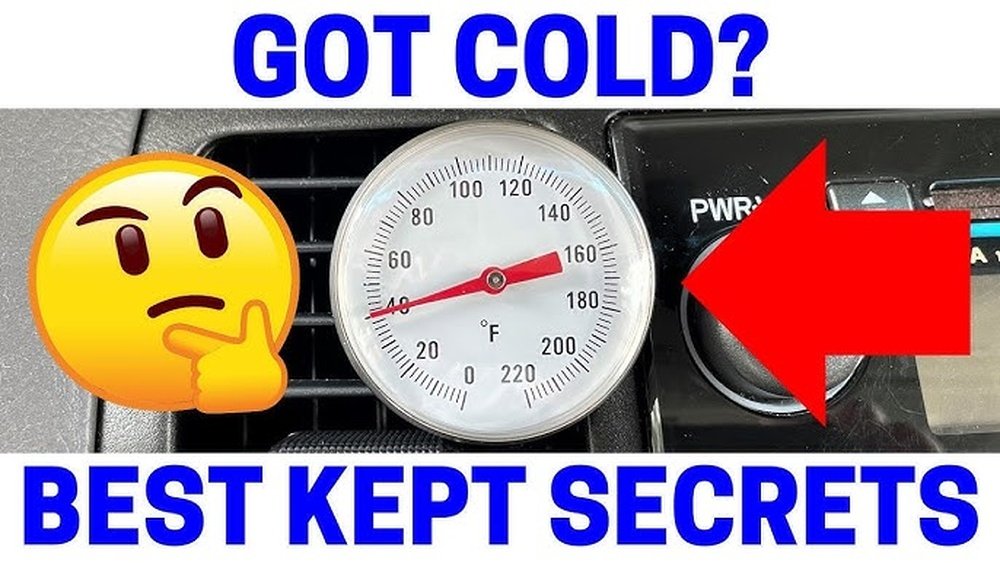
Measuring your car’s AC air temperature helps check if it blows cold enough. Use a thermometer near the vent to get an accurate reading. Ideal air should be about 35 to 45 degrees Fahrenheit cooler than outside air.
Choosing The Right Tool To Measure Ac Temperature
Measuring the air temperature from your car’s AC helps check if it works well. Use a simple tool called a thermometer. Digital or analog thermometers work fine. Some car-specific tools also measure air temperature accurately. Avoid guessing or using your hand to feel the air. These methods are not accurate.
How To Take The Temperature Reading
Turn on the car AC and set it to the coldest setting. Let it run for about five minutes. Place the thermometer near the air vent. Hold it steady without blocking the airflow. Wait until the thermometer shows a stable reading. This usually takes a few seconds. Note the temperature displayed on the tool.
Where To Measure For Best Results
Measure the air temperature at the vent closest to you. Avoid measuring outside the car or far from the vent. The best spot is about two inches from the vent. This shows the real air temperature coming from the AC. Measuring too far away gives wrong results. Keep the thermometer steady for an accurate reading.
Common Ac Temperature Ranges
Car air conditioners do not blow air at one fixed temperature. The air temperature changes based on settings and outside heat. Knowing common AC temperature ranges helps you understand if your system works well. It also guides you to set the most comfortable cooling level.
Temperatures vary depending on the car model, AC age, and outside weather. Most car AC systems aim to cool air between 40°F and 60°F below the outside temperature. This range ensures you get enough cooling without overworking the system.
Typical Cold Air Temperature
Most car AC units blow air at about 40°F to 55°F. This temperature feels cool and refreshing during hot days. It cools the car cabin quickly and keeps the inside comfortable.
Warm Air Temperature Range
Sometimes, the AC blows warmer air, around 65°F to 75°F. This happens when the system is on low or in mild weather. It helps maintain a gentle cool without making you too cold.
Effect Of Outside Temperature
Outside heat affects the air temperature from your AC. On very hot days, the air may only cool down to 50°F or higher. On cooler days, the AC can blow air closer to 40°F.
Signs Of Poor Ac Performance
Car air conditioners should blow cold air to keep you comfortable. When the AC does not cool well, it signals a problem. Poor AC performance means the system may need attention or repair. Recognizing these signs early helps avoid bigger issues and costly fixes.
Unusually Warm Air
The AC should blow air that feels cold or cool. If the air feels warm or just slightly cooler than outside, the system is not working right. Warm air often means low refrigerant or a compressor issue.
Weak Airflow
Strong airflow is important for quick cooling. Weak or low air pressure from the vents shows a problem. It could be a clogged filter, blocked ducts, or a failing blower motor.
Strange Noises
Odd sounds like rattling, hissing, or squealing are bad signs. Noises may come from loose parts or refrigerant leaks. These sounds mean the AC needs a check-up soon.
Foul Smells
Fresh, clean air is what the AC should provide. Bad smells like mold, mildew, or burning indicate dirt or damage. This can harm your health and needs cleaning or repair.
Long Cooling Time
AC systems should cool the car quickly. If it takes too long to feel cold air, the system is struggling. Slow cooling often means low refrigerant or dirty components.
Tips To Improve Ac Cooling
Improving your car’s air conditioner cooling helps make every drive more comfortable. Small changes can make your AC blow cooler air. These tips help your system work better and last longer. Follow easy steps to feel cooler air fast.
Keep Your Car Windows Closed
Close windows when using the AC. Open windows let hot air inside. Hot air makes the AC work harder. Keeping windows shut keeps cool air inside the car.
Park In The Shade
Parking in shade lowers the car’s inside temperature. A cooler car means the AC cools faster. Avoid direct sunlight to keep the cabin cooler.
Use The Recirculation Mode
Turn on the recirculation mode in your AC. It reuses the cool air inside the car. This keeps the air cooler and helps the AC work better.
Check And Replace Air Filters
Dirty air filters block airflow. Replace filters regularly to improve cooling. Clean filters help the AC cool air faster and cleaner.
Maintain Proper Refrigerant Levels
Low refrigerant reduces cooling power. Have a mechanic check and refill refrigerant. Proper levels keep the AC blowing cold air.
Keep The Ac System Clean
Clean the AC vents and condenser. Dust and debris block airflow. Regular cleaning helps the AC cool efficiently.
When To Seek Professional Help
Knowing when to seek professional help for your car’s air conditioner is important. A properly working AC keeps you cool and comfortable. Sometimes, the system may not blow cold air as it should. Ignoring issues can cause more damage and higher repair costs. Recognizing the signs early helps you get the right service quickly.
Signs Your Car Ac Isn’t Cooling Properly
If the air coming from the vents is warm or just slightly cool, the AC needs checking. Strange smells or noises from the system also signal a problem. Notice if the airflow is weak or inconsistent. These are clear signs that your AC is not functioning correctly.
When The Temperature Is Too High Or Low
The air conditioner should blow air between 35°F and 45°F. Air that is much warmer or colder than this range indicates an issue. Temperature extremes can mean a refrigerant leak or a faulty compressor. A professional can diagnose and fix these problems.
Warning Lights And Dashboard Indicators
Pay attention to any warning lights on your dashboard related to the AC system. These lights might indicate electrical or mechanical faults. Do not ignore these signals. Visit a professional mechanic for a proper inspection.
Frequent Need To Recharge Refrigerant
If you must recharge your AC refrigerant often, there could be a leak. Constant recharging is costly and unsustainable. A technician can find and repair leaks to save you money.
Unusual Noises During Ac Operation
Buzzing, grinding, or hissing sounds are not normal. They can mean a broken part or low refrigerant levels. A trained technician will identify the source and recommend repairs.

Credit: www.utires.com
Frequently Asked Questions
What Is The Ideal Temperature For A Car Air Conditioner?
The ideal temperature for a car AC is usually between 60°F and 70°F. This range cools the cabin effectively without overworking the system. It keeps you comfortable on hot days.
How Cold Should Car Ac Air Feel Inside The Vehicle?
Car AC air should feel cool but not freezing cold. Around 60°F to 65°F is normal and comfortable. Too cold air may signal an issue.
Why Does My Car Ac Blow Warm Air Sometimes?
Warm air can mean low refrigerant or a faulty compressor. It might also indicate a dirty filter or a leak. A professional check is often needed.
How Can I Improve My Car Ac’s Cooling Performance?
Keep your car shaded and windows closed to keep heat out. Regular maintenance like cleaning filters helps too. Set the temperature to a comfortable but not extreme level.
Conclusion
A car air conditioner should blow air between 35 and 45 degrees Fahrenheit. This range keeps the cabin cool and comfortable. Setting the temperature too low can strain the system. Too high, and it won’t cool well. Regular checks help maintain good performance.
Clean filters and proper refrigerant levels are key. This ensures fresh, cool air every drive. Keep your AC in good shape for a pleasant ride. Stay cool and enjoy your time on the road.