Do You Have to Resurface Rotors When Changing Pads: Essential Guide
Are you about to change your brake pads and wondering if you have to resurface your rotors too? It’s a common question that can save you time, money, and hassle if you know the right answer.
Resurfacing rotors isn’t always necessary, but skipping it when you really need to can lead to vibrations, noise, and uneven brake wear. On the other hand, resurfacing when it’s not needed might just be an extra expense. You’ll discover exactly when resurfacing your rotors makes sense, how to tell if your rotors need it, and what happens if you don’t do it.
By the end, you’ll feel confident making the best decision for your brakes and your wallet. Keep reading to avoid costly mistakes and keep your car stopping smoothly.

Credit: www.reddit.com
When To Resurface Rotors
Knowing when to resurface rotors is key during a brake pad change. Rotors wear down over time and can develop issues that affect braking performance. Resurfacing removes surface imperfections, restoring smoothness and safety. Not every rotor needs resurfacing. The decision depends on the rotor’s condition and signs of damage.
Signs Of Rotor Damage
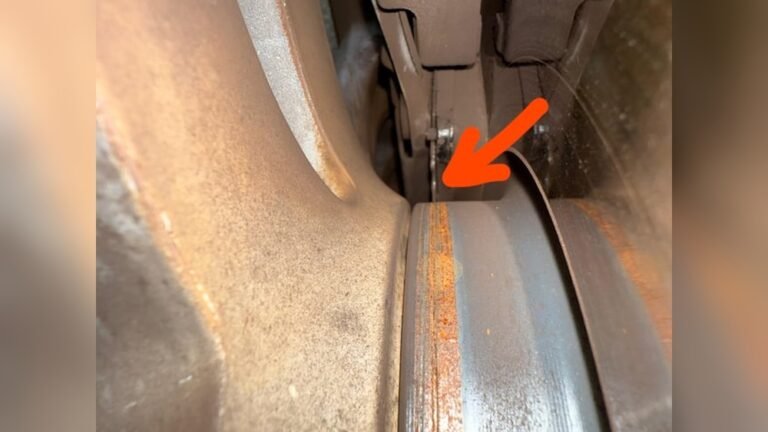
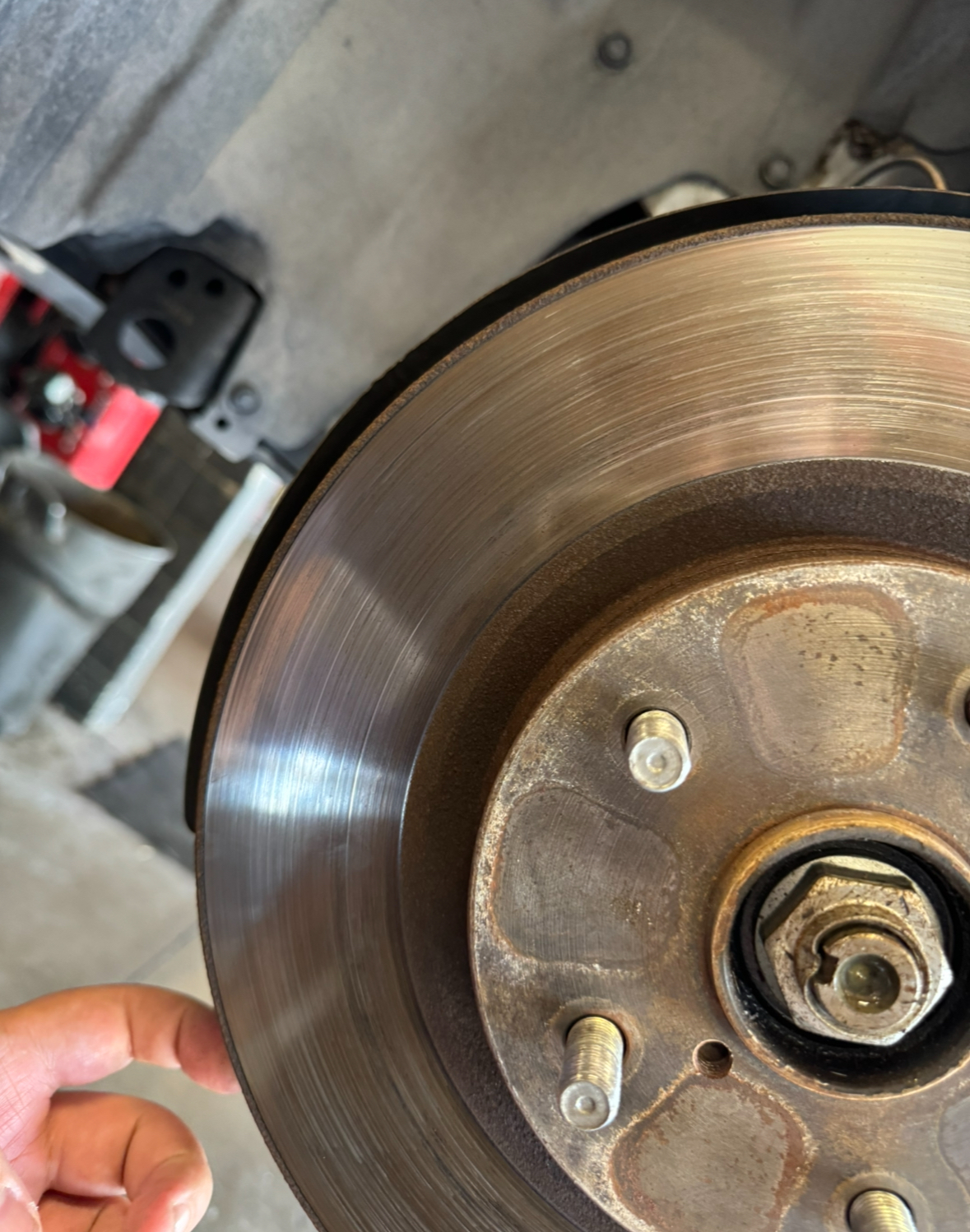
Rotors can show damage in many ways. Deep grooves or scoring on the rotor surface mean the pads wore it unevenly. Rust patches or heat spots also indicate rotor problems. If these signs appear, resurfacing or replacement is necessary to ensure safe braking.
Brake Pedal Vibration
A vibrating brake pedal often points to warped rotors. Warping causes uneven contact between the pad and rotor. This creates a pulsating feeling in the brake pedal. Resurfacing smooths out the rotor surface to stop this vibration.
Visible Wear And Warping
Look closely at your rotors for visible wear. Warping shows as a wavy or uneven surface. You may also see cracks or discoloration from heat. These issues reduce braking efficiency. Resurfacing removes the top layer, making the surface flat again.
Benefits Of Resurfacing
Resurfacing brake rotors offers several key benefits that improve braking performance. It restores the rotor surface to a smooth, even finish. This process removes imperfections caused by wear, heat, or rust. Resurfacing helps the new brake pads work better and last longer. It also reduces noise and vibrations during braking.
Choosing to resurface rotors can save money by avoiding early rotor replacement. It keeps the braking system balanced and safe. Here are the main benefits of resurfacing brake rotors.
Ensuring Even Pad Contact
Resurfacing creates a flat, smooth rotor surface. This allows the brake pads to touch the rotor evenly. Even contact means better braking power and less pad wear. Uneven rotors can cause the pads to grab in spots, reducing control. A smooth surface helps maintain consistent stopping force.
Reducing Brake Noise
Rotors with rough spots or grooves often cause squeaking or squealing. Resurfacing removes these rough areas, reducing noise. Smooth rotors help the pads glide quietly and smoothly. This leads to a more comfortable driving experience. It also prevents annoying sounds that indicate uneven wear.
Extending Rotor Life
Resurfacing removes minor damage and defects from rotors. This helps prevent cracks and warping over time. A smooth rotor surface spreads heat evenly, reducing stress. Even wear extends the rotor’s usable life before replacement is needed. Proper maintenance through resurfacing saves money and improves safety.
Risks Of Skipping Resurfacing
Skipping rotor resurfacing during a brake pad change can cause several problems. Rotors may have hidden damage or uneven surfaces. Installing new pads on rough rotors reduces braking efficiency. Some risks only appear after driving, making them harder to spot early.
Uneven Brake Wear
Old rotors have grooves or warping. New pads cannot grip properly on these surfaces. This causes uneven brake pad wear. Uneven wear shortens pad life and increases maintenance costs. It also leads to inconsistent braking force on wheels.
Brake Pedal Pulsation
Warped rotors cause the brake pedal to vibrate or pulse. Pulsation happens because the rotor surface is not flat. This vibration reduces driver control and comfort. It can also lead to premature wear of other brake parts. Resurfacing smooths the rotor, preventing pedal pulsation.
Potential Safety Issues
Uneven braking lowers the vehicle’s stopping power. This increases the risk of accidents, especially in emergencies. Skipping resurfacing can cause unpredictable brake behavior. Proper rotor surface ensures reliable and safe braking every time. Safety should always come first in brake maintenance.
Credit: mechanics.stackexchange.com
Rotor Thickness And Limits
Rotor thickness plays a key role in brake safety and performance. Each rotor has a minimum thickness limit. This limit ensures the rotor can handle heat and stress during braking.
Exceeding the minimum thickness can cause brake failure. The rotor may crack, warp, or lose effectiveness. Checking rotor thickness helps decide if resurfacing is possible or if replacement is needed.
Minimum Thickness Requirements
Manufacturers set a minimum thickness for every rotor. This number is usually stamped on the rotor’s edge. It represents the thinnest safe thickness the rotor can have.
When resurfacing, enough material must remain above this limit. Removing too much makes the rotor unsafe. Measuring thickness with a micrometer or caliper is essential.
If the rotor is below or very close to the limit, resurfacing is not safe. Installing new pads on thin rotors can lead to brake fade or failure.
When Replacement Is Necessary
Replace rotors if thickness falls below the minimum limit. Also replace if rotors have deep grooves that reduce thickness significantly. Warped or cracked rotors require replacement for safety.
Sometimes rotors look fine but are too thin after resurfacing. In these cases, replacement is the best option. New rotors ensure proper braking and longer pad life.
Do not compromise safety by resurfacing rotors beyond their limits. Proper rotor thickness keeps brakes reliable and prevents costly repairs later.
Cost And Practical Considerations
Cost and practical considerations play a big role when deciding whether to resurface rotors while changing brake pads. Many drivers want to save money but also ensure safety and performance. Understanding the cost differences and the condition of your rotors helps make the right choice. Practical factors like rotor thickness, vehicle type, and brake use also affect this decision.
Resurfacing Vs. Replacement Costs
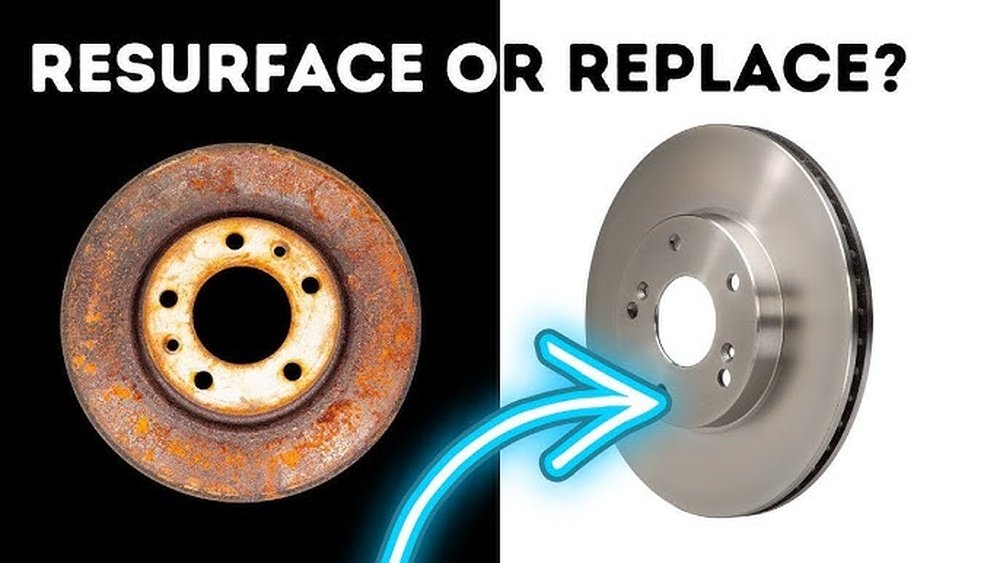
Resurfacing rotors usually costs less than buying new ones. Shops charge less for turning rotors than full replacements. Resurfacing can cost between $10 to $30 per rotor. New rotors often cost $30 to $75 each, depending on the brand and quality. Labor fees add to both options, but resurfacing takes less time. However, resurfacing isn’t always possible if the rotors are too thin or damaged.
Modern Rotor Manufacturing
Many modern rotors are made with advanced materials and designs. Some rotors have special coatings to resist rust and wear. This can make resurfacing less effective or unnecessary. Also, some rotors are “one-time use” and meant to be replaced rather than resurfaced. Car makers often recommend replacement to keep brakes working at their best. Knowing your vehicle’s rotor type is important before deciding.
Diy Vs. Professional Advice
Resurfacing rotors at home is possible with the right tools but not common. Most people rely on professional mechanics for this job. Professionals can measure rotor thickness and check for damage properly. They also use machines designed for accurate resurfacing. DIY attempts might lead to uneven surfaces or unsafe brakes. Always ask a trusted mechanic if resurfacing is a good option for your car.

Credit: www.reddit.com
Frequently Asked Questions
Can I Change Brake Pads Without Resurfacing Rotors?
You can change brake pads without resurfacing rotors if they are smooth and undamaged. Resurface only if rotors have grooves, warping, or cause vibration.
Does Autozone Resurface Rotors?
AutoZone does not resurface rotors. They typically recommend rotor replacement if damage or wear exists.
What Happens If You Don’t Resurface Brake Rotors?
Not resurfacing brake rotors can cause brake vibration, noise, uneven pad wear, and reduced braking efficiency. Warped or damaged rotors worsen performance and safety.
What Happens If I Just Replace Brake Pads And Not Rotors?
Replacing brake pads without rotors can cause uneven wear, noise, and reduced braking performance if rotors are damaged or warped.
Do You Always Need To Resurface Rotors With New Pads?
Not always. Resurfacing is needed only if rotors have deep grooves, warping, or damage. Smooth, even rotors usually don’t require resurfacing.
Conclusion
Rotors do not always need resurfacing when changing brake pads. Check them carefully for grooves, warping, or damage first. Smooth, even rotors usually work fine with new pads. Resurfacing helps if rotors cause vibration or noise. Always consider rotor thickness before deciding.
Sometimes replacing rotors is cheaper and safer than resurfacing. Proper rotor care keeps your brakes working well and lasting longer. Take time to inspect and choose the best option for your vehicle. Your brakes will thank you.